
BLADETRICKS NEWS BLOG
-
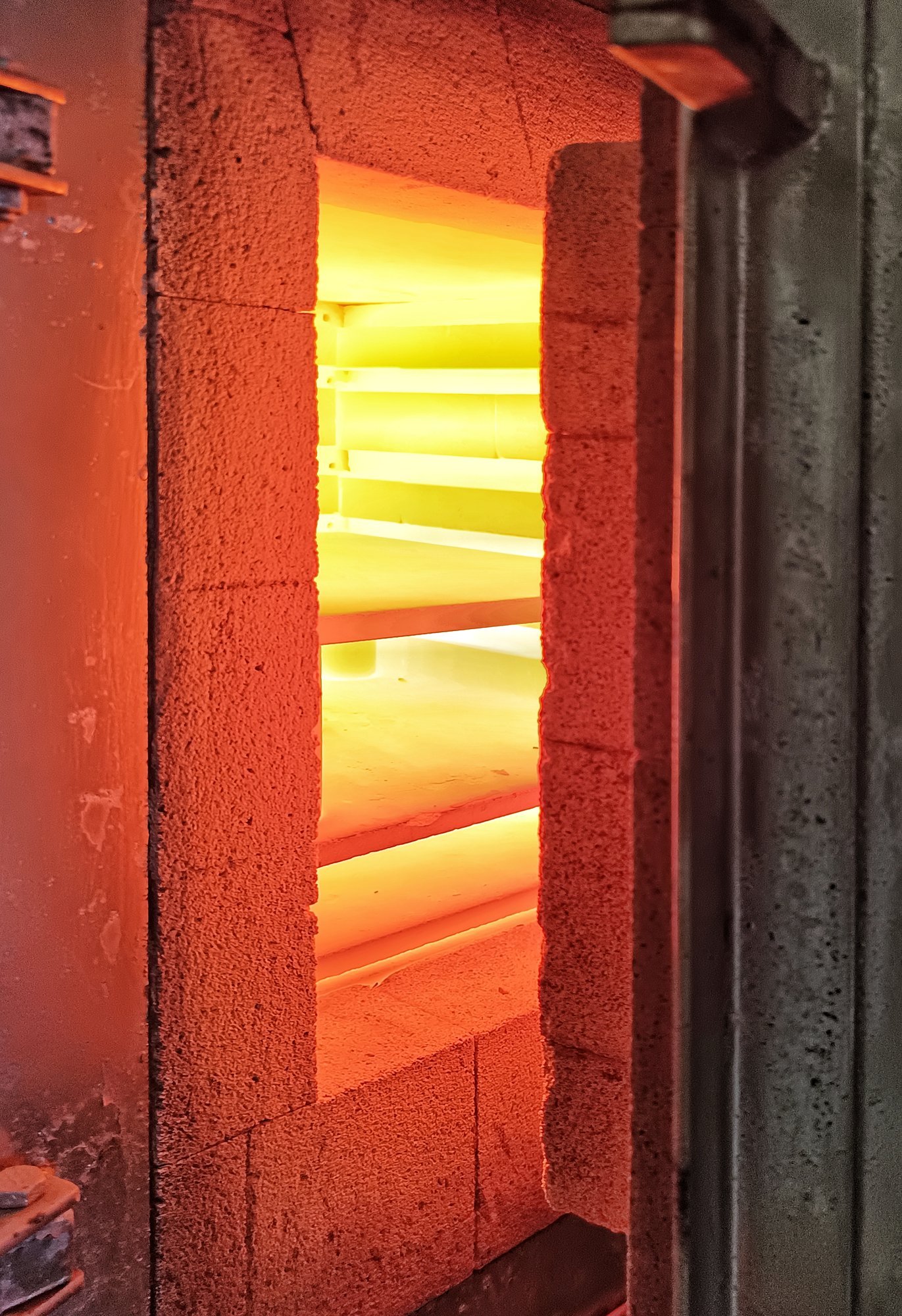
The File Test Said Something Was Wrong. Sugar, Salt and Copper Told Me What.
After the last hardening session, I ran the usual knifemaker’s check: a fresh file across the edge, straight out of the quench. It’s the oldest and most easily available test there is — hardened steel skates the file, soft steel lets it bite. That day the file bit more than it should have. Not on one blade: across the whole batch. Different steels, each at its proper temperature (my own numbers, cross-checked over the years against Knife Steel Nerds), each with its soak respected. And still, broadly, the hardness was neither what I expected nor what I’d accept. When several…
-
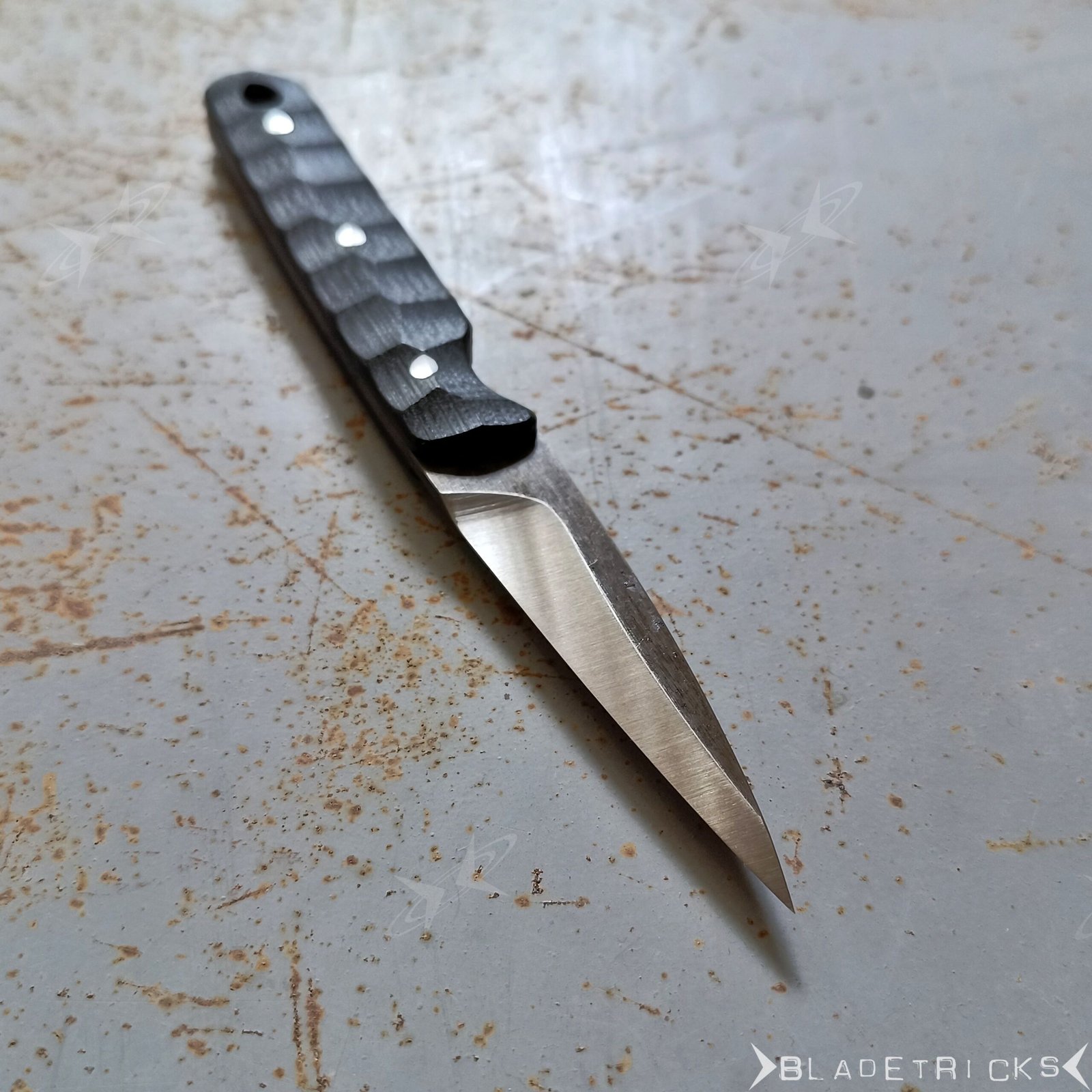
What Pikal Means, and What It Asks of the Knife
If you have arrived here after typing one word into a search box, this is the short version: pikal is a Visayan word from the Philippines meaning to rip. In knife work it describes holding the blade point-down, generally, with the edge turned toward your own forearm, and cutting as the arm closes rather than as it opens. That is roughly the whole idea. The rest of this explains what it changes, what kind of knife it needs, how I build for it, and where it stops being the right answer. I am A.N. Nash. I have been designing and…
-
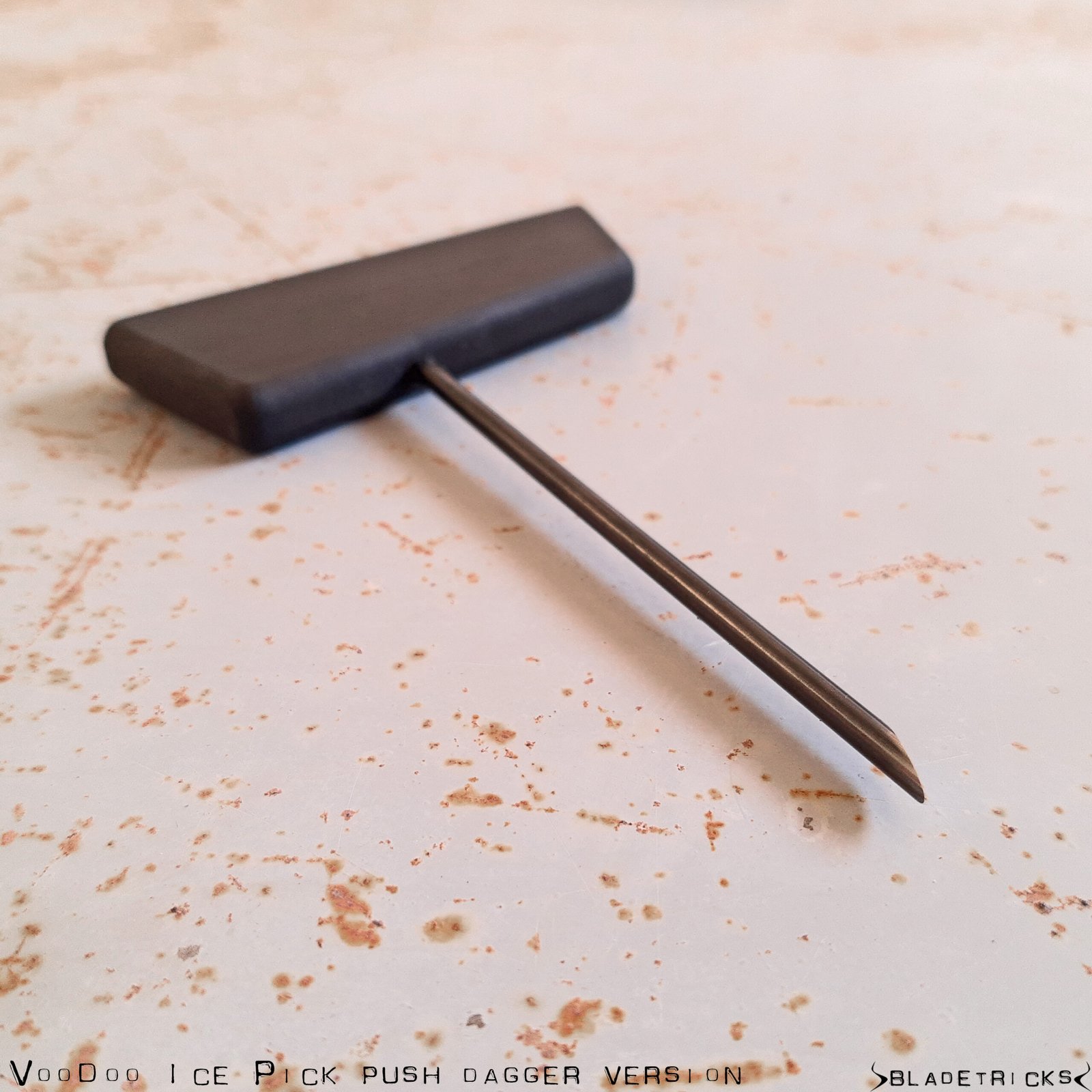
Chisel vs Conical: Tip Geometry and Extraction Mechanics
Every penetrating tool ends in a decision. Most of the time that decision is inherited rather than made. The conical point is what the icepick came with. It arrived from the ice trade already finished, and the men who later found other uses for it were not in a position to be fussy about tip geometry. They wanted something that worked and something that could be explained away if found. The cone did both. What went unasked, for the better part of a century, was whether it was the right shape. Two things made that question easy to avoid. The…
-
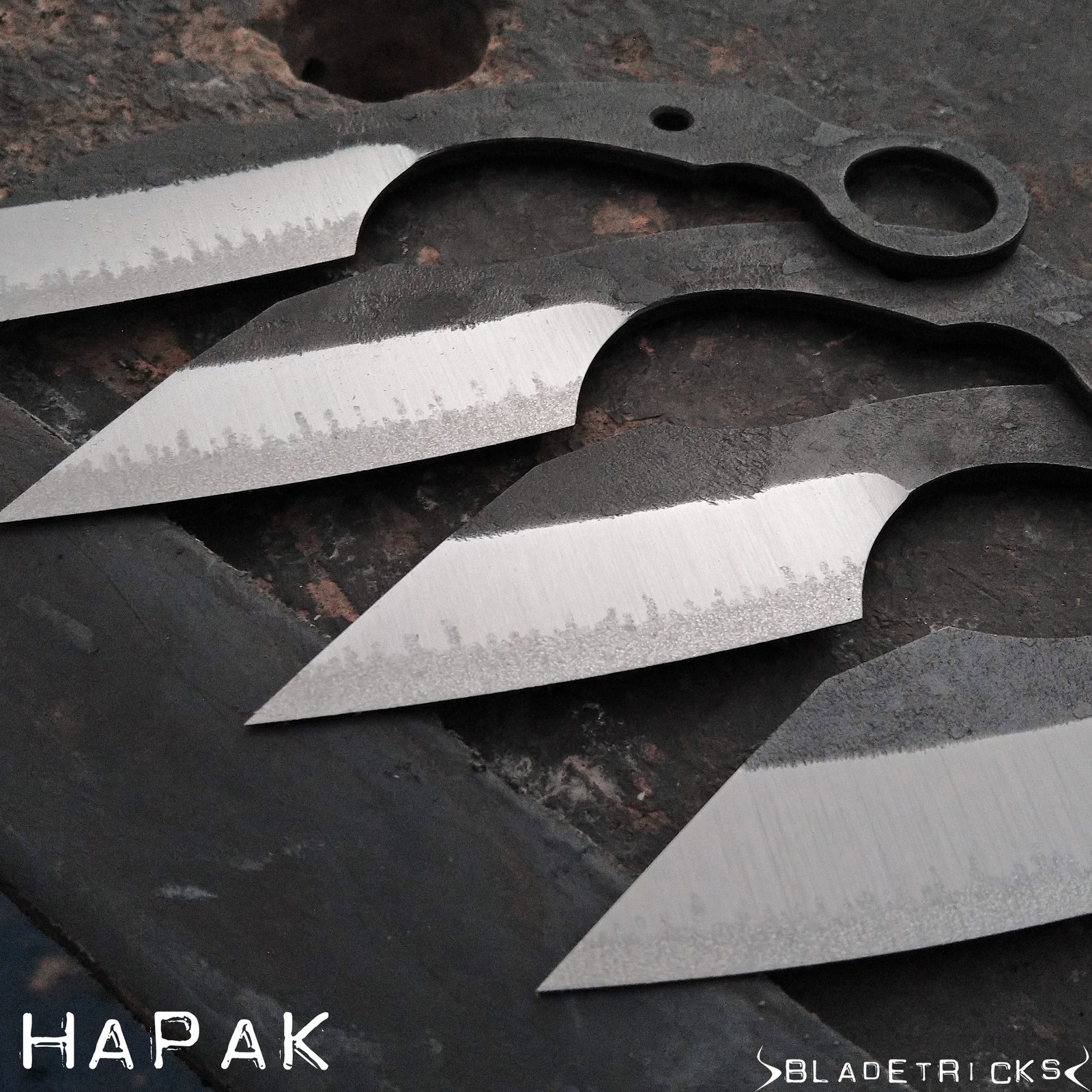
The HAPAK: A Karambit Built for the Home Front Command
Some projects arrive with a specific brief. This one came from the HAPAK — the Home Front Command Squad — with a clear requirement: a simple, lightweight, hard-use field knife for daily carry. Reliable, tough, and purpose-built for the people using it. The Geometry A wharncliffe blade was the logical choice. Its flat spine, strong tip, and full belly make it one of the most capable utility profiles available — precise under controlled cuts, robust enough to handle hard use without complaint. Combined with traditional Bladetricks karambit (ringed) handle, the result is a tool that carries…
-
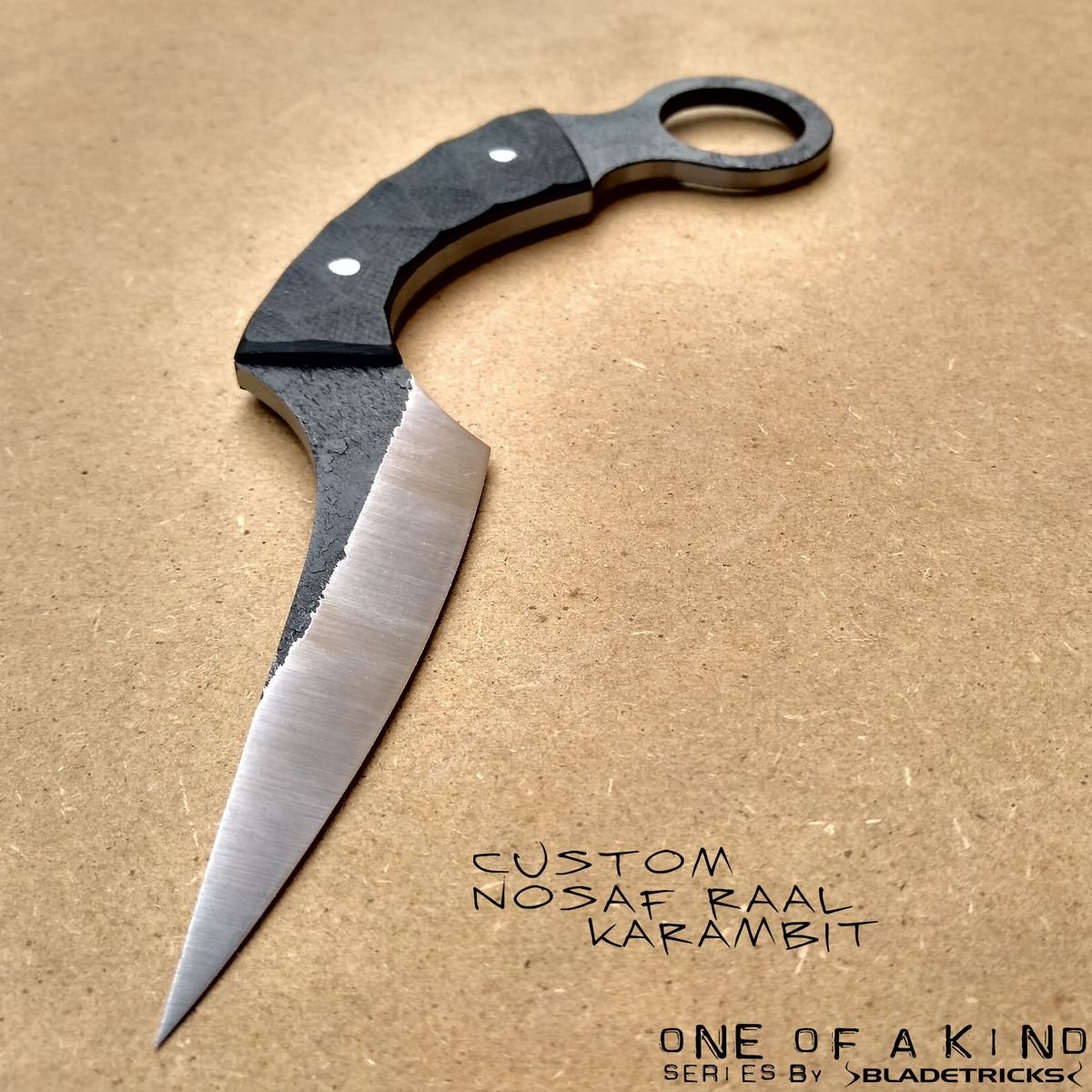
Nosaf Raal: A Geometry That Hasn’t Stopped Evolving
The Nosaf Raal is a design concept that does not stay still — not because it is unresolved, but because it keeps feeling its own potential and demanding more of itself. It began as a traditional (straight knife), evolved into a refined karambit geometry, and has not stopped expanding since. What follows is not a catalogue entry. It is an account of why this geometry exists, what it demanded across more than a decade of continuous refinement — subtle adjustments in proportions, angles, grinds, adapted to specific uses, specific budgets, specific customers, and wherever possible pushed forward aesthetically as well…
-
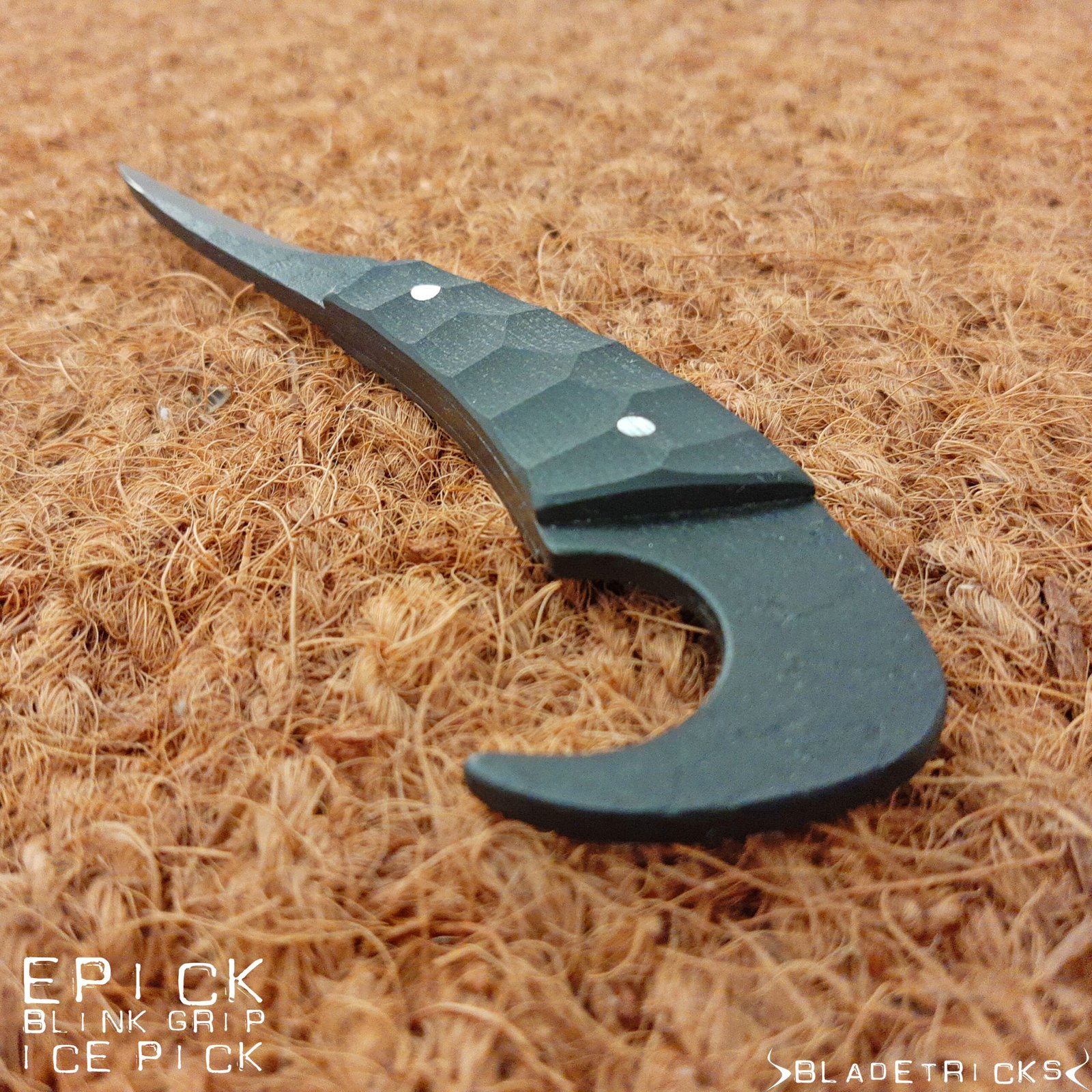
The Blink Grip: One Motion, One Outcome (Or Two…)
The Blink Grip: One Motion, One Outcome (Or Two…) There is a moment between reaching for a blade and having it in your hand that has always been a dilemma for the knife user. Not a failure of design — people train the knife draw, and train it seriously. But training a sequence of conscious movements under stress has a ceiling. I was looking for something simpler. The same logic as an automatic knife: press a switch, the blade is there. The Blink Grip is an attempt to bring that simplicity to a fixed blade draw. The Blink Grip…
-
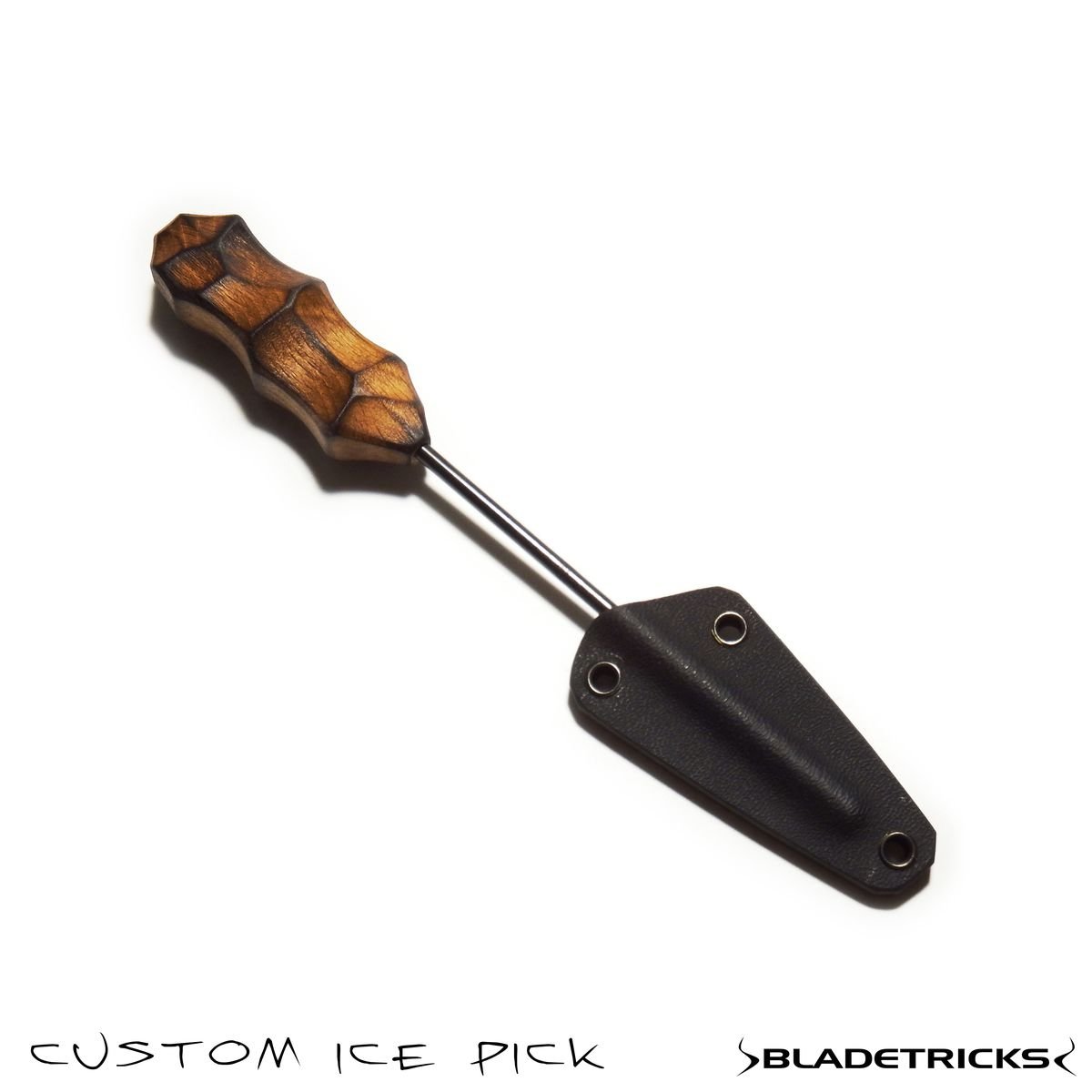
Icepick Design: The Bladetricks Approach to Simplicity and Performance
Tactical Icepick Design: The Bladetricks Approach to Simplicity and Performance Every Bladetricks icepick is built around a single truth: under extreme duress, simplicity is the only thing that doesn’t fail you. I have spent equal time refining the Pikal — arguably the most efficient system for the trained professional — but a specialized blade is not the ideal solution for everyone. The icepick is. What most people don’t realize is that the two are not separate philosophies. They share the same foundation: the reverse grip, the same instinctive thrusting mechanics, and the same commitment to concealable, low-profile carry. If anything,…
-
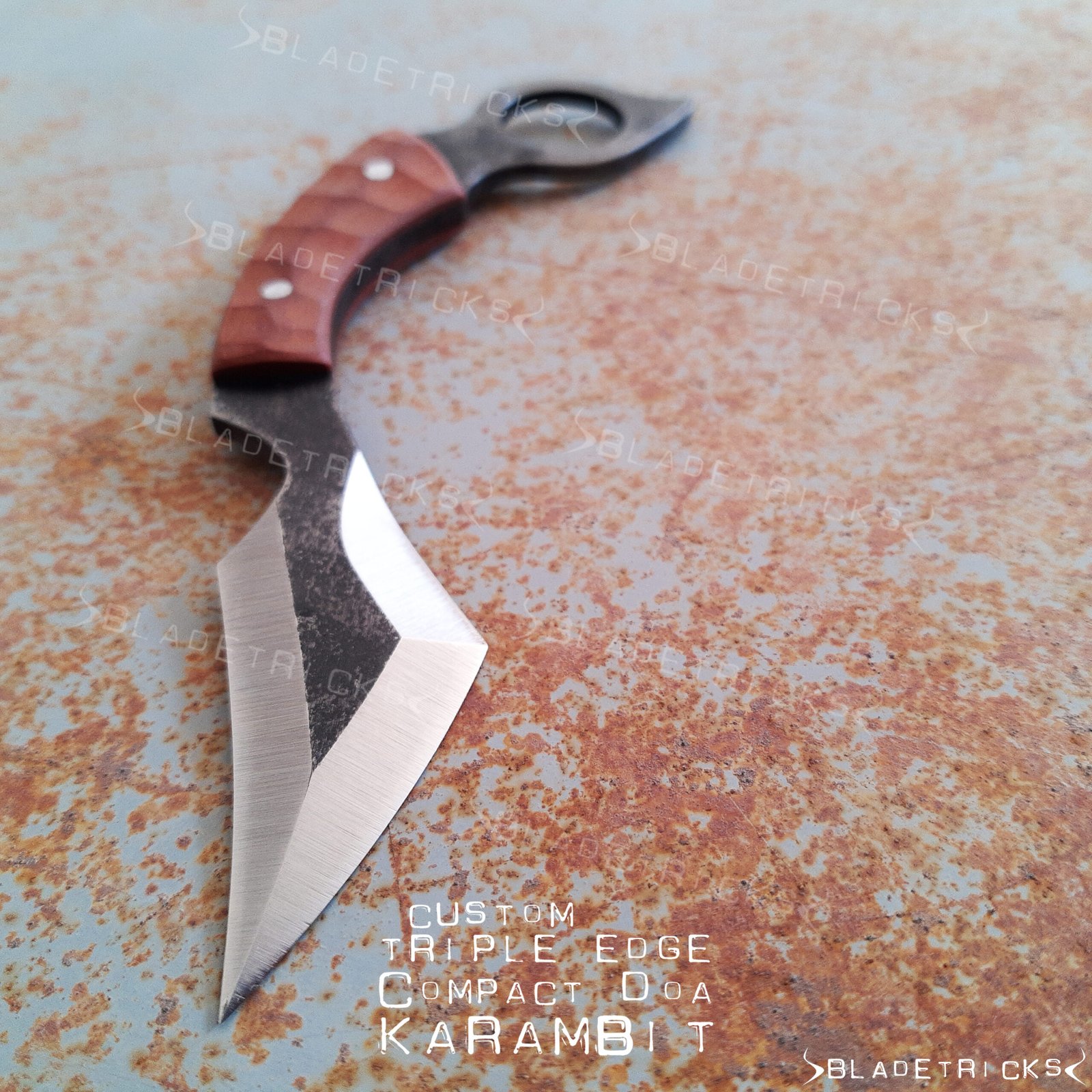
Pikal Knife Fighting: Biomechanics, Anatomy, and the Reality of Edge In
Pikal System: The Best Mechanical Efficiency in Close Combat It is not an aesthetic. It is beyond a fashion. It is a cold application of biomechanics. Derived from the Visayan term meaning “to rip,” this knife fighting technique uses a Reverse Grip Edge In (RGEI) orientation. While the market is currently saturated with derivatives, the foundation of the modern RGEI movement relies on a rigorous application of physics that I have advocated since founding Bladetricks in 2010. If you have not met the term before, I have written a plain explanation of what pikal means and what it asks of…
-
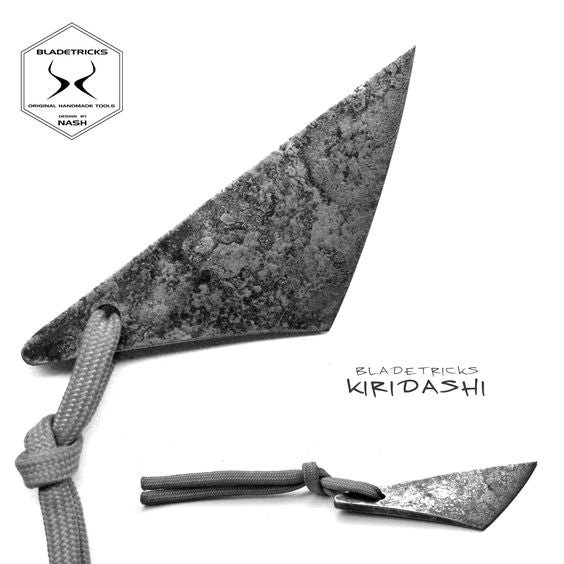
THE KIRIDASHI: A BLADE OF PRECISION AND SIMPLICITY
For centuries, the kiridashi has been a staple of Japanese craftsmanship: a small, chisel-ground utility blade designed for precision cutting. Traditionally used by artisans, woodworkers, and even schoolchildren for everyday tasks, this unassuming tool has stood the test of time due to its efficiency and simplicity. In 2011, I crafted my own take on the kiridashi, keeping its essence intact while making it rugged enough for modern use. Now, I’ve revisited that design with a minimalist approach, refining it down to the essentials. The Bladetricks Mini Kiri is compact, versatile, and built for those who appreciate sharp, functional tools without unnecessary bulk. What Makes…
-
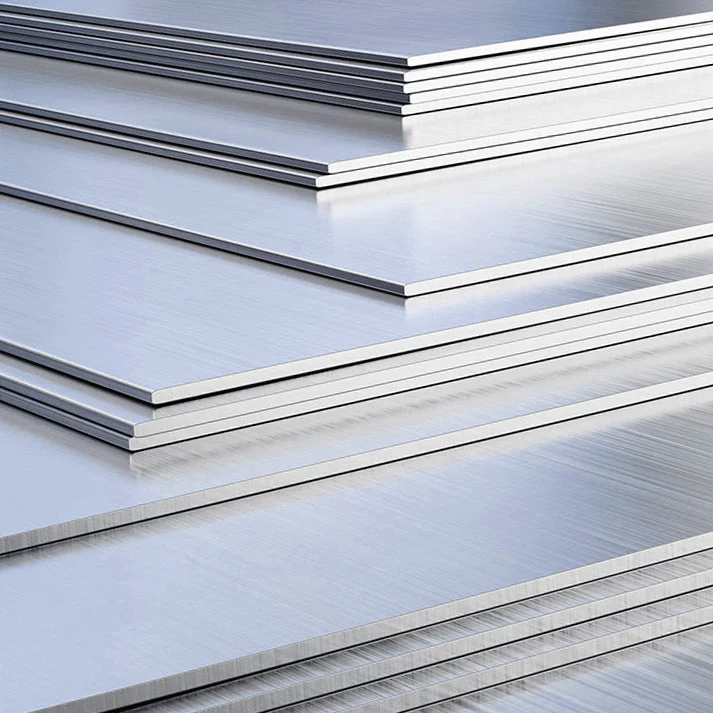
A CALCULATED MOVE: STAINLESS STEELS AT BLADETRICKS
Metallurgy of Necessity: The Bladetricks Stainless Steel Selection Choosing a stainless steel for a blade is not an exercise in romanticism; it is a calculated, cold decision. In the workshop, I do not seek a soul for the metal; I seek a predictable response to stress. The decision-making process for every Bladetricks tool begins with a single, uncompromising question: will it perform as required under duress? For my designs, that question generally begins and ends with toughness. A blade that cannot withstand real-world mechanical shock is not a tool—it is a liability. After a long, cautious, and practical evaluation of…