
Pikal System: The Best Mechanical Efficiency in Close Combat
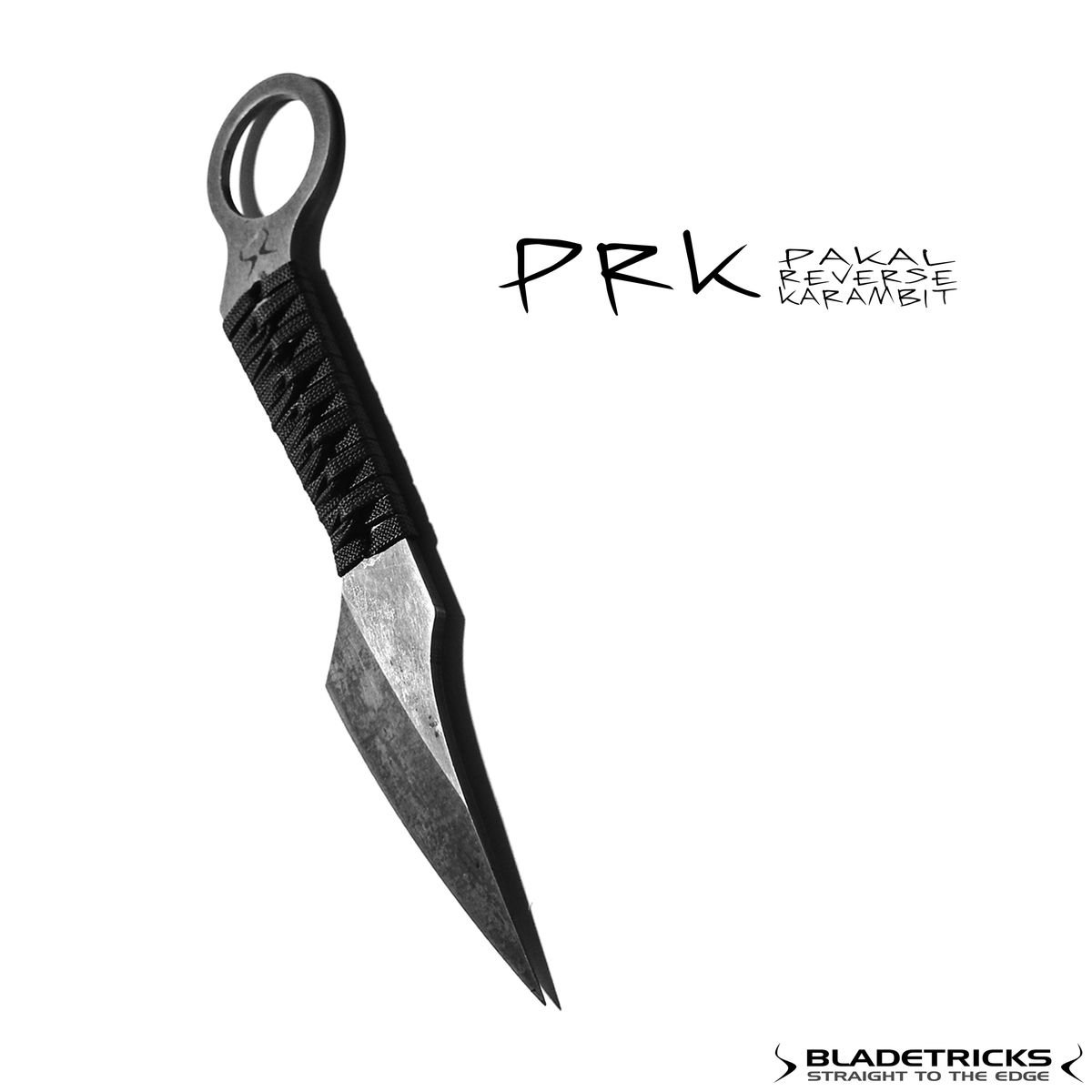
It is not an aesthetic. It is beyond a fashion. It is a cold application of biomechanics. Derived from the Visayan term meaning “to rip,” this knife fighting technique uses a Reverse Grip Edge In (RGEI) orientation. While the market is currently saturated with derivatives, the foundation of the modern RGEI movement relies on a rigorous application of physics that I have advocated since founding Bladetricks in 2010.
If you have not met the term before, I have written a plain explanation of what pikal means and what it asks of the knife, including the grip and edge combinations the word covers.
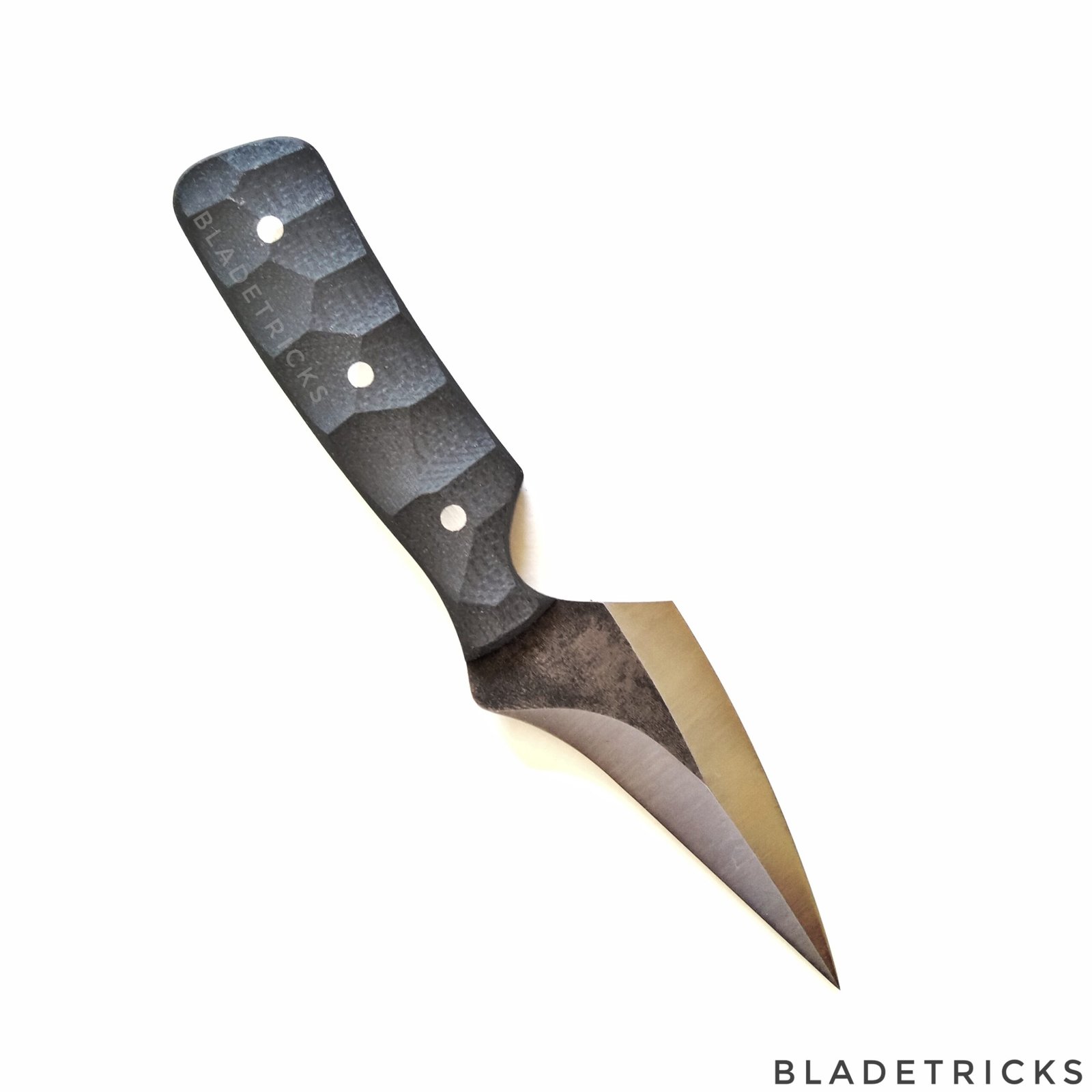
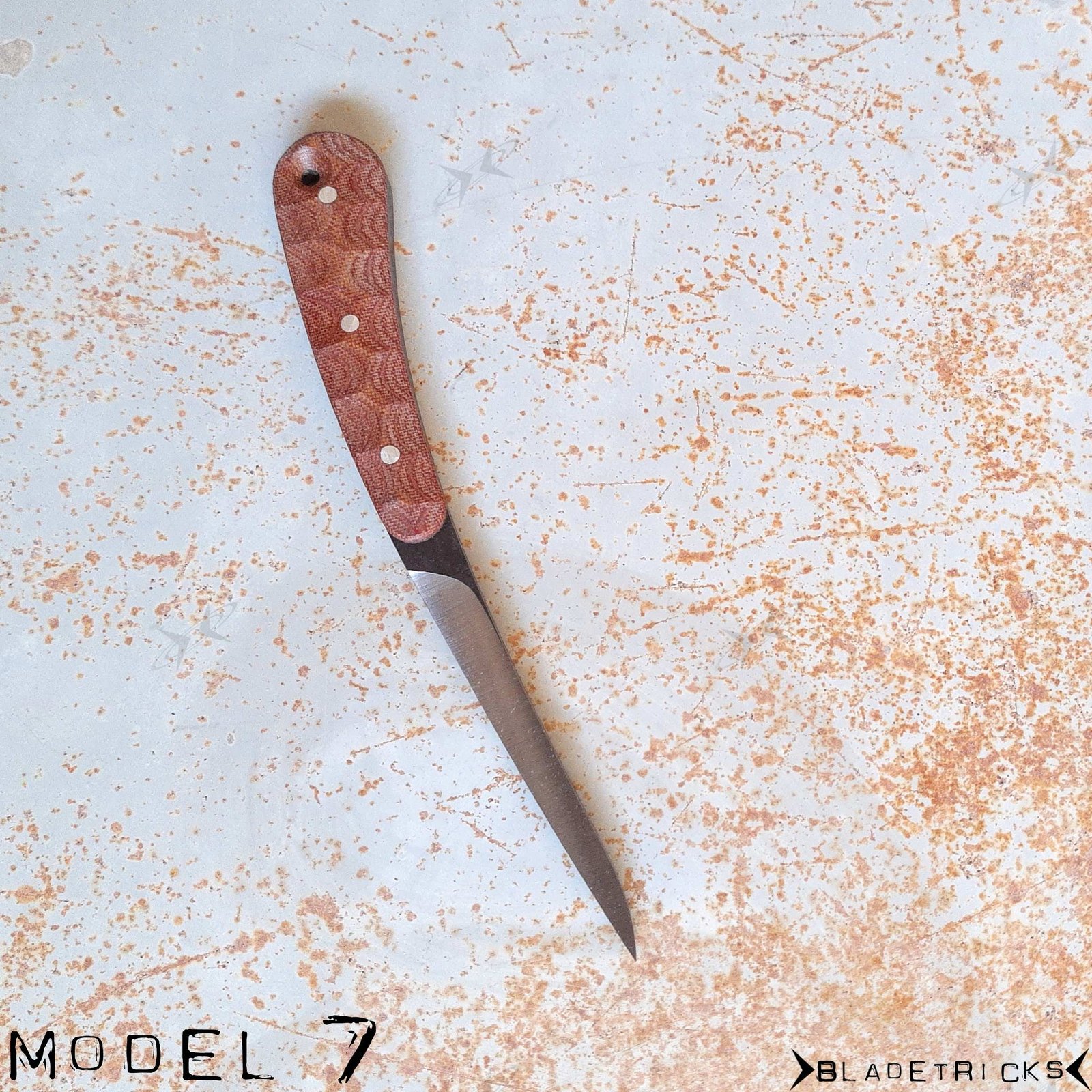
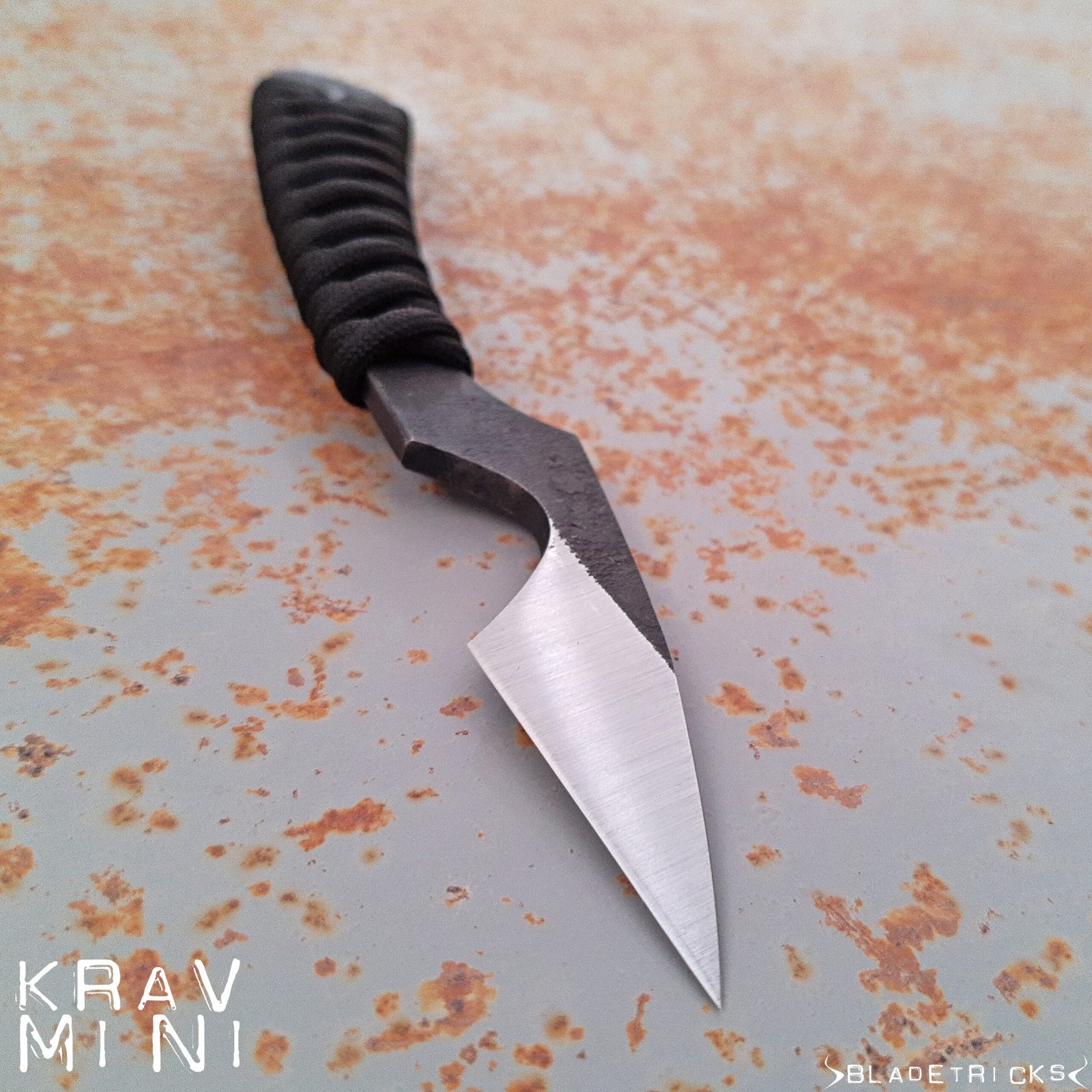
The Physics of the Inward Rip
The primary advantage of a pikal knife or tool is its alignment with the human body’s natural tendency to contract under extreme stress. Standard sabre grips rely on the extension of the tricep, which is prone to failure in a clinch. Conversely, this grip engages the latissimus dorsi and the biceps — the largest pulling muscles in the upper body. By drawing the blade toward the body, the operator generates a kinetic force that is difficult to intercept.
Research on sympathetic nervous system activation under life-threatening stress is unambiguous: above 115 beats per minute, fine motor skills begin to deteriorate; above 175, only gross motor functions remain reliably accessible. The RGEI draw and strike are gross motor movements — contracting, pulling, driving inward. They are built for the body that is already in fight-or-flight. A sabre grip technique requiring wrist rotation, controlled extension, and precise targeting is not.
In many scenarios, this creates a “lose-lose” situation for the opponent — to stop the movement, they must place themselves directly in the path of the edge. This hooking motion turns every RGEI strike into a deep incision by utilizing the torque of the core.
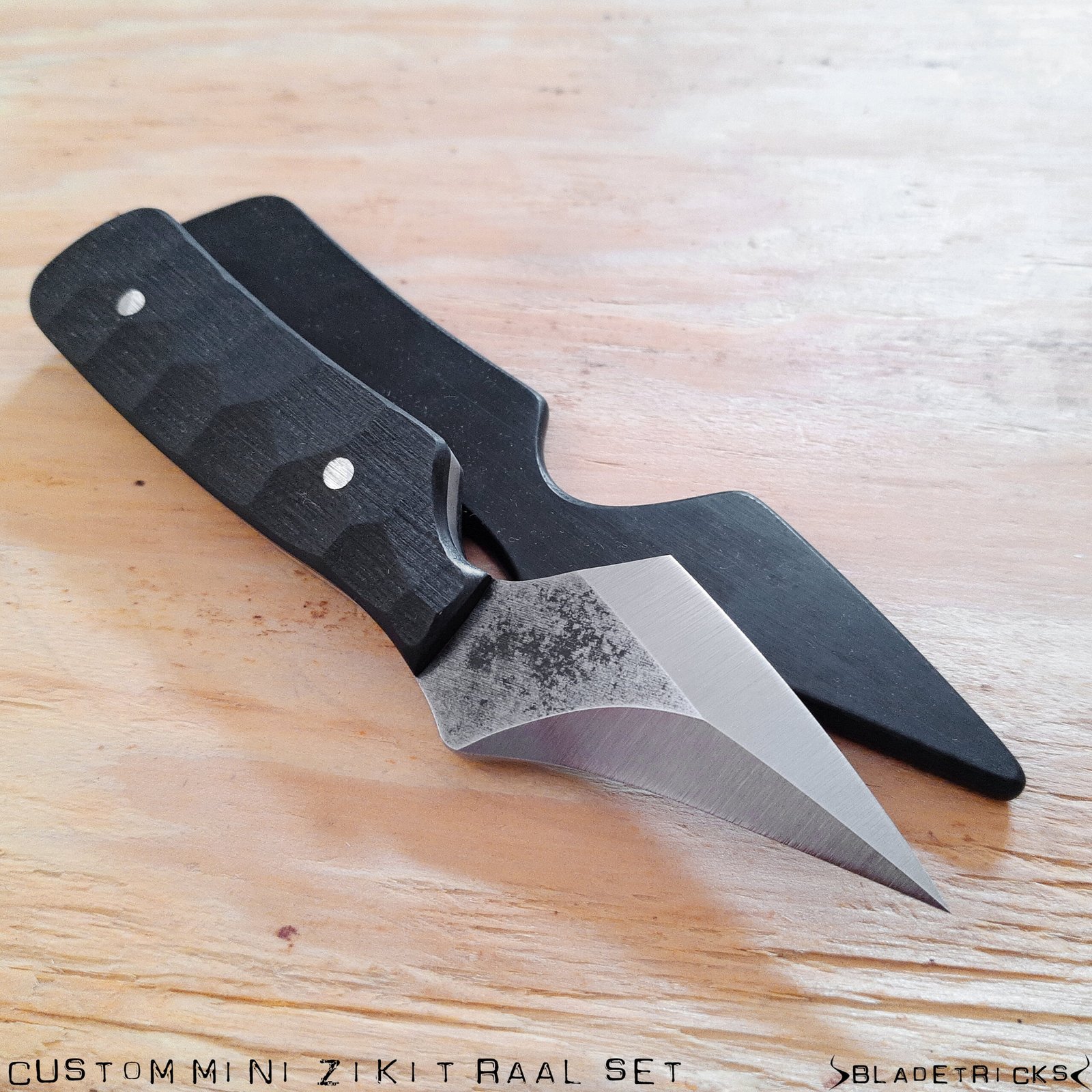
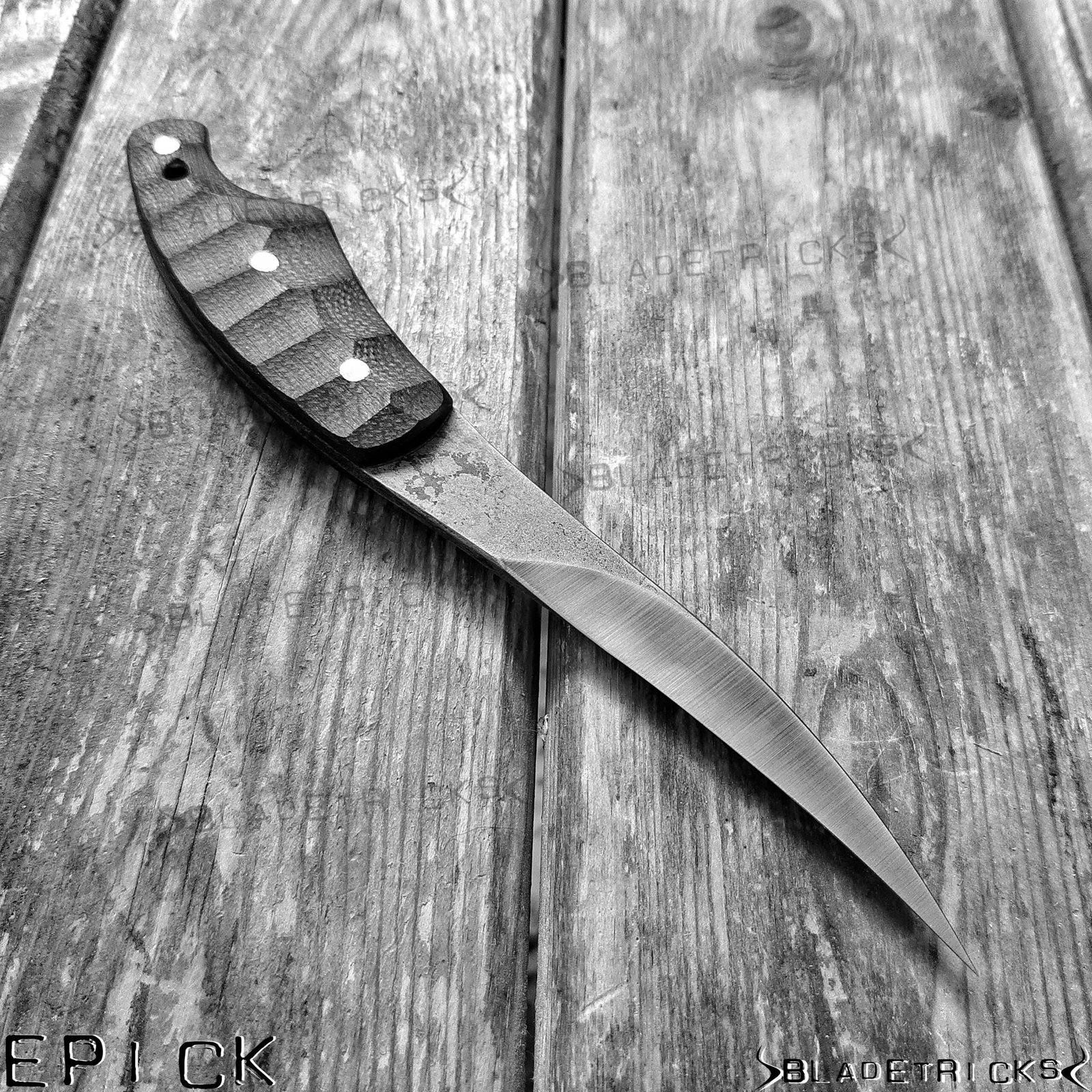
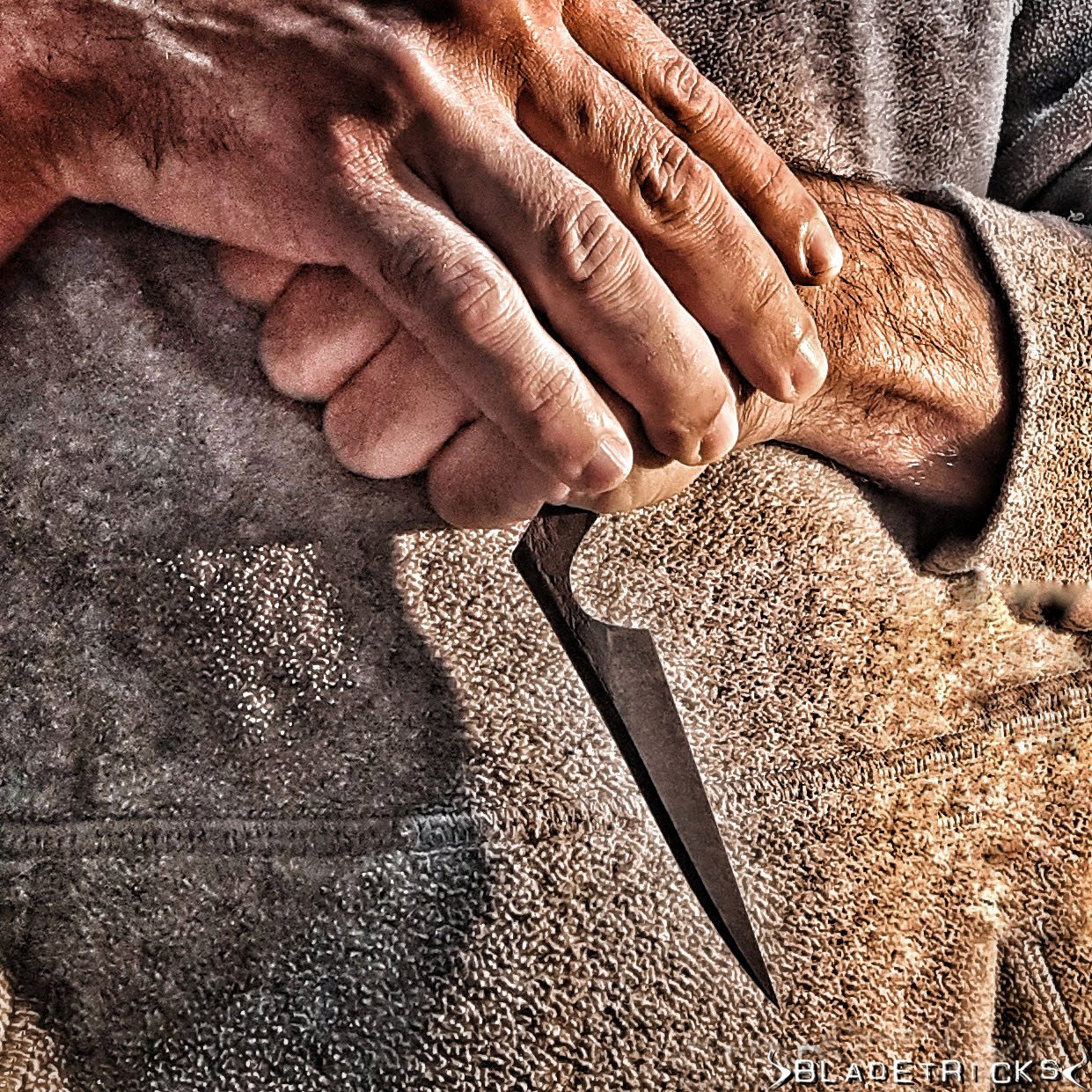
Mechanical Advantage
Analytically, the RGEI configuration optimizes a kinetic strike by aligning the vector of force with the natural contraction of the arm. Unlike edge-out tools, a reverse grip edge-in knife utilizes the superior torque generated during inward movement. This mechanical advantage ensures the edge maintains contact through the entire arc of the strike, maximizing depth without requiring extra space for acceleration.
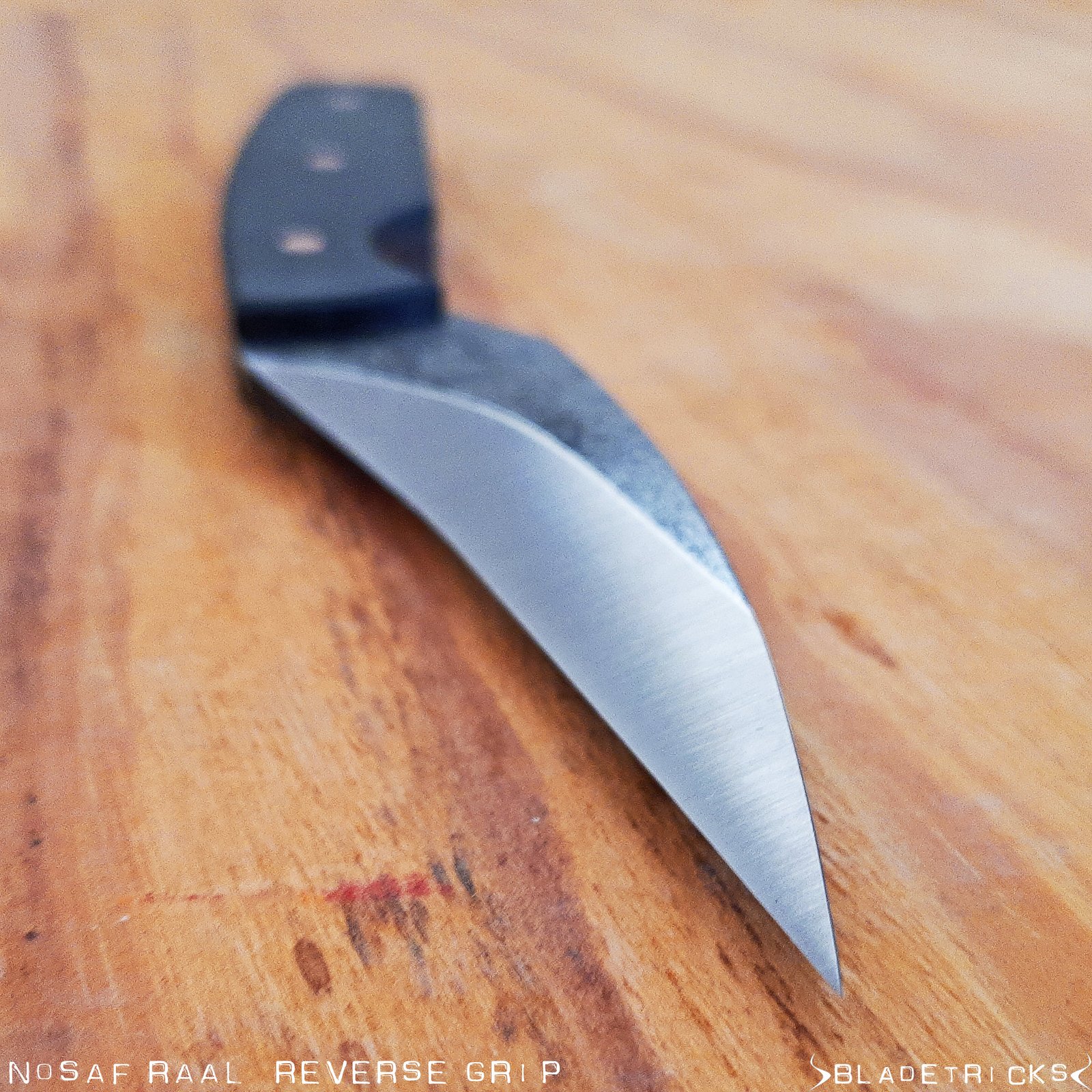
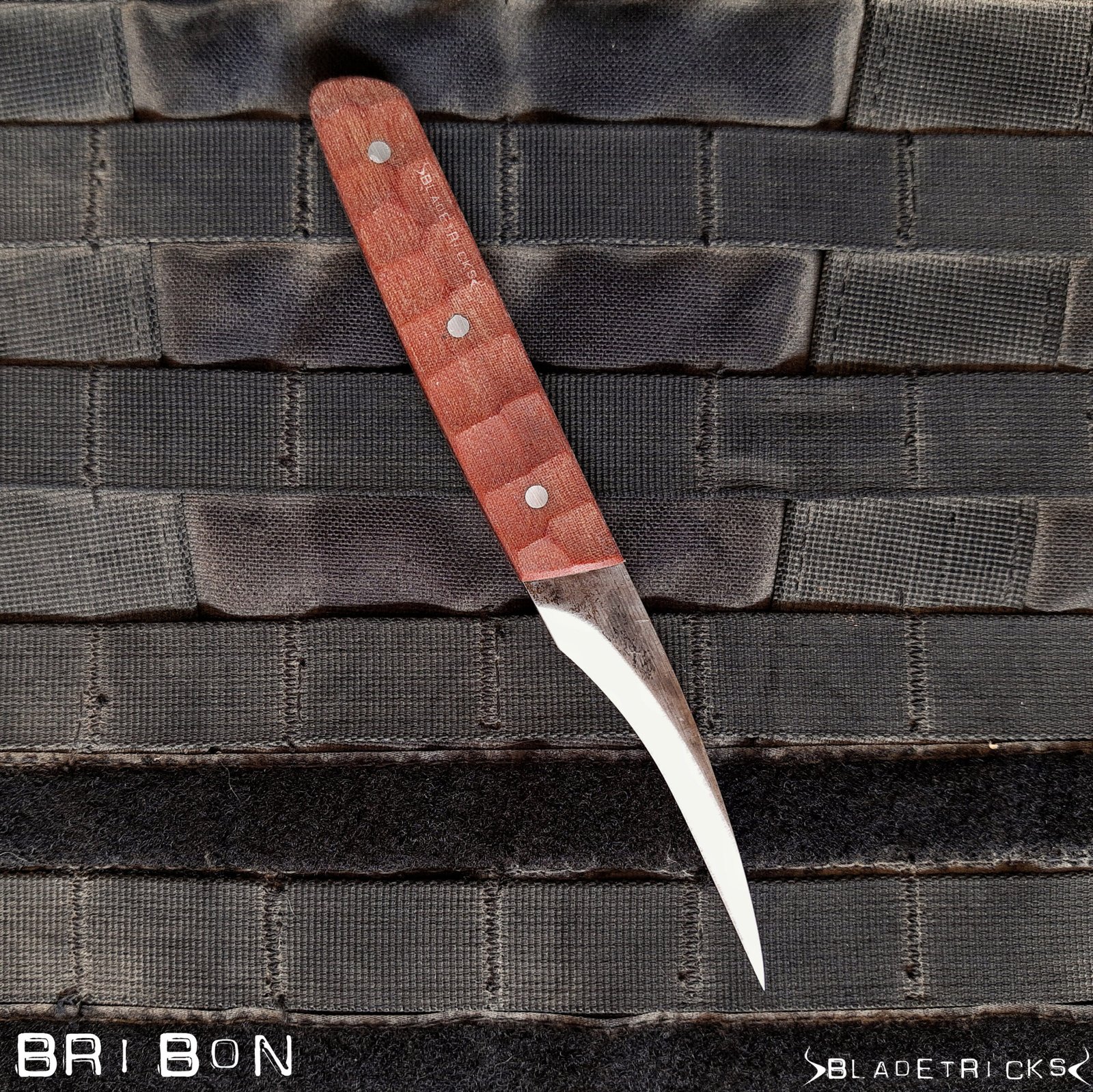
The Withdrawal: The Second Strike Built Into the First
Most discussions of this technique focus on the thrust. This is a mistake, and it reveals a surface-level understanding of what RGEI actually does. The thrust is the entry. The withdrawal is the consequence.
When a pikal blade achieves penetration, the inward pull expands the wound channel using the full force of the back and bicep, transforming a puncture into something that functions mechanically as a plow. Every structure in the blade’s path during that withdrawal — tissue, vessel, fascia — is addressed. The opponent faces a specific problem: to intercept the movement, they must place themselves directly in the path of the edge. There is no neutral option. This is the lose-lose architecture of a correctly executed reverse grip strike.
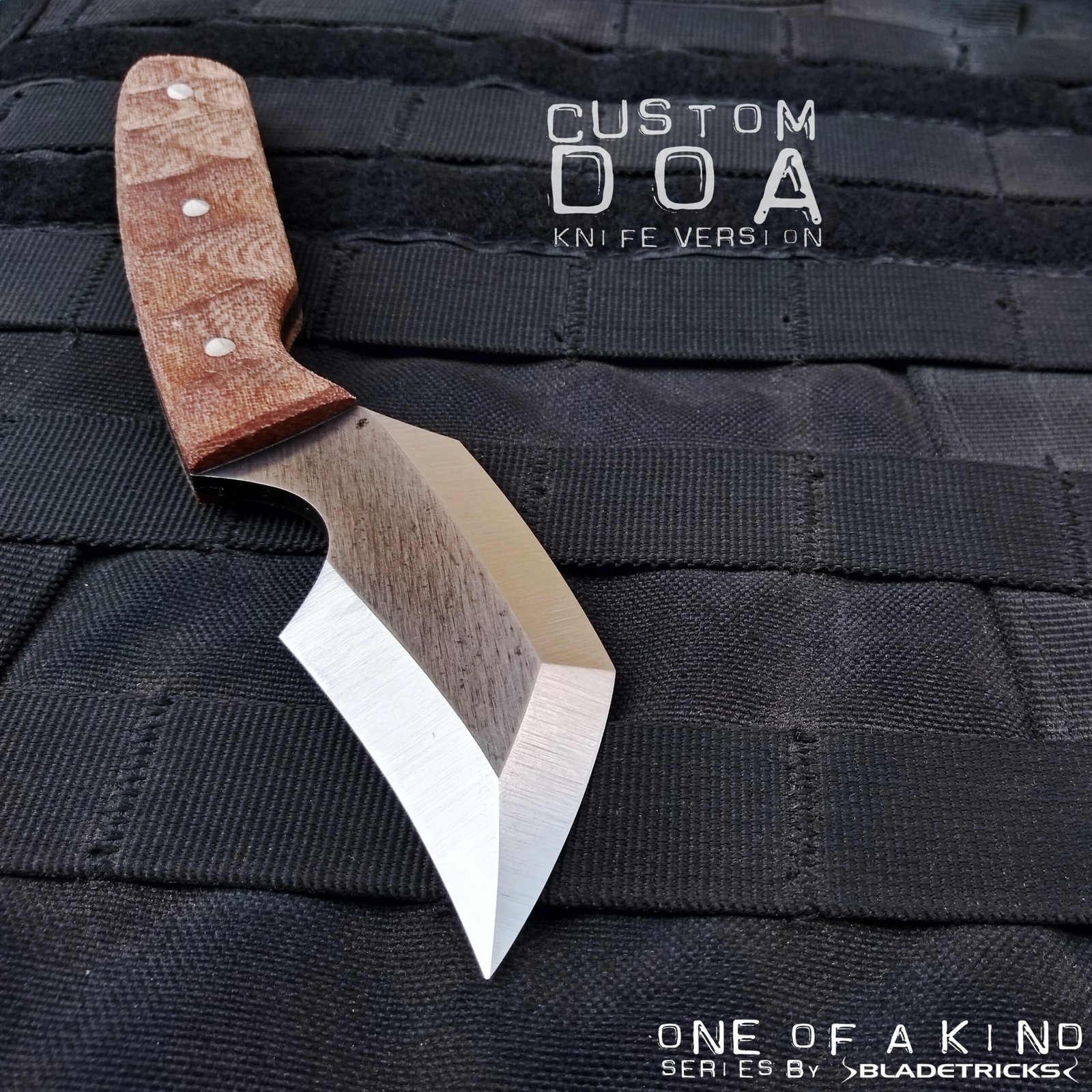
Forensic medicine confirms what the mechanics suggest. Tissue compression during a forceful thrust means the wound track is frequently greater in depth than the physical blade length: the chest and abdominal wall compress on impact and decompress on withdrawal, extending effective penetration beyond the blade’s actual measurement. A 3-inch blade, correctly placed, can produce a wound track of 4 to 5 inches. Skin provides the highest resistance to penetration. Once it is breached, underlying tissue and organs offer substantially less opposition to a moving edge. This is why tip geometry on a reverse grip knife is not decorative. It is the tool’s primary mechanical asset.
Axial Force and the Reverse Grip Advantage
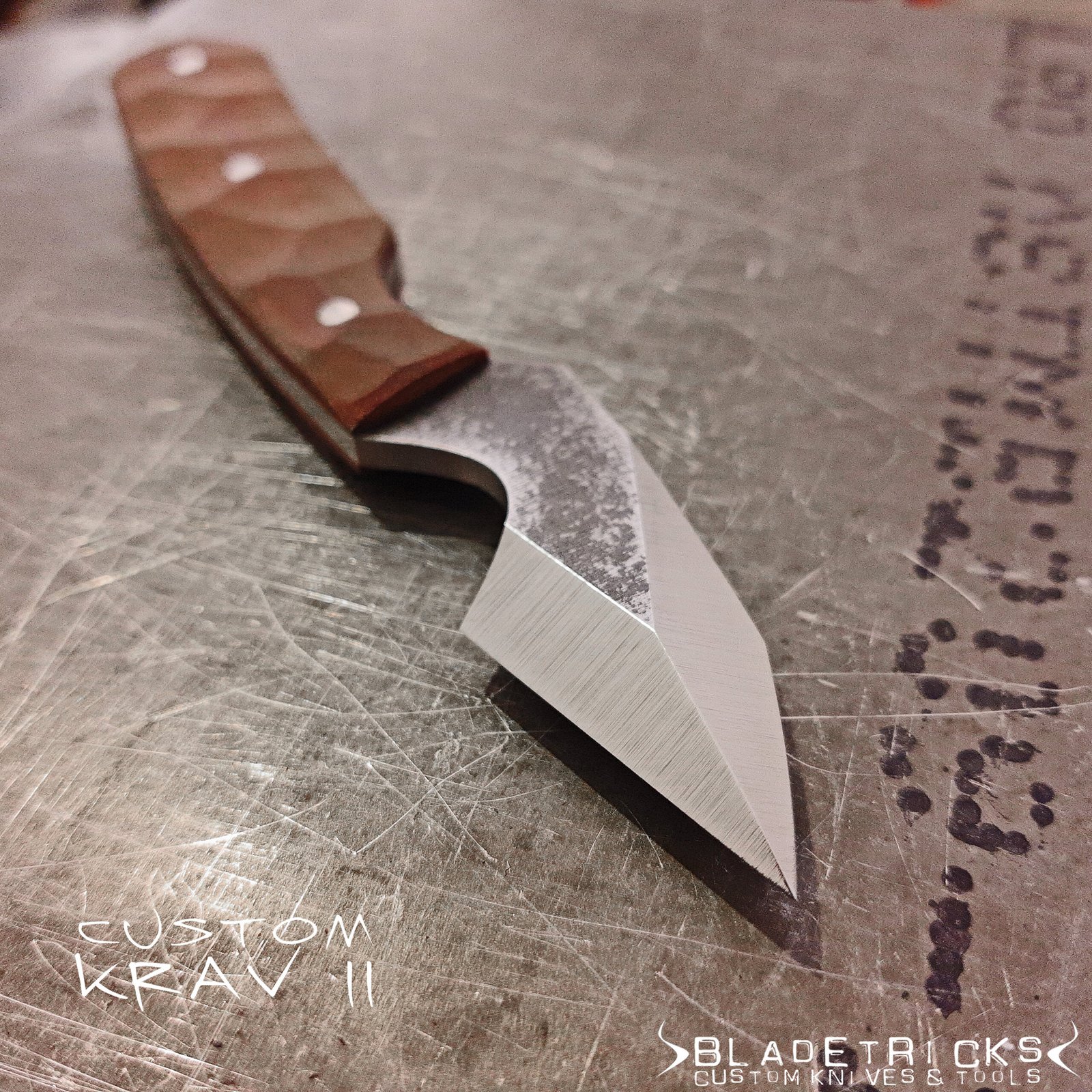
In a pikal grip, the skeletal structure of the forearm transmits total body force directly to the blade tip. This is mechanically superior to the sabre grip, where the wrist acts as a weak pivot point under heavy impact. In the RGEI orientation, force travels in a straight line from the shoulder through the forearm, making the tool an immovable extension of the arm. Anyone can verify this through a simple, safe test against a dead tree: the amount of pressure one can exert in reverse grip far exceeds what is possible in a standard forward grip.

A.N. Nash and the Pikal Lineage (2010–Present)
I have been designing pikal knives and tools that prioritize function. My early work served as a catalyst for the current global interest in reverse grip tools. Many RGEI designs seen worldwide today are clearly influenced by original Bladetricks models from over a decade ago. A connoisseur will observe that the core geometries of modern reverse grip tools — focusing on tip strength and high-retention handles — bear the DNA of my early versions.
Handle Ergonomics and Edge Alignment
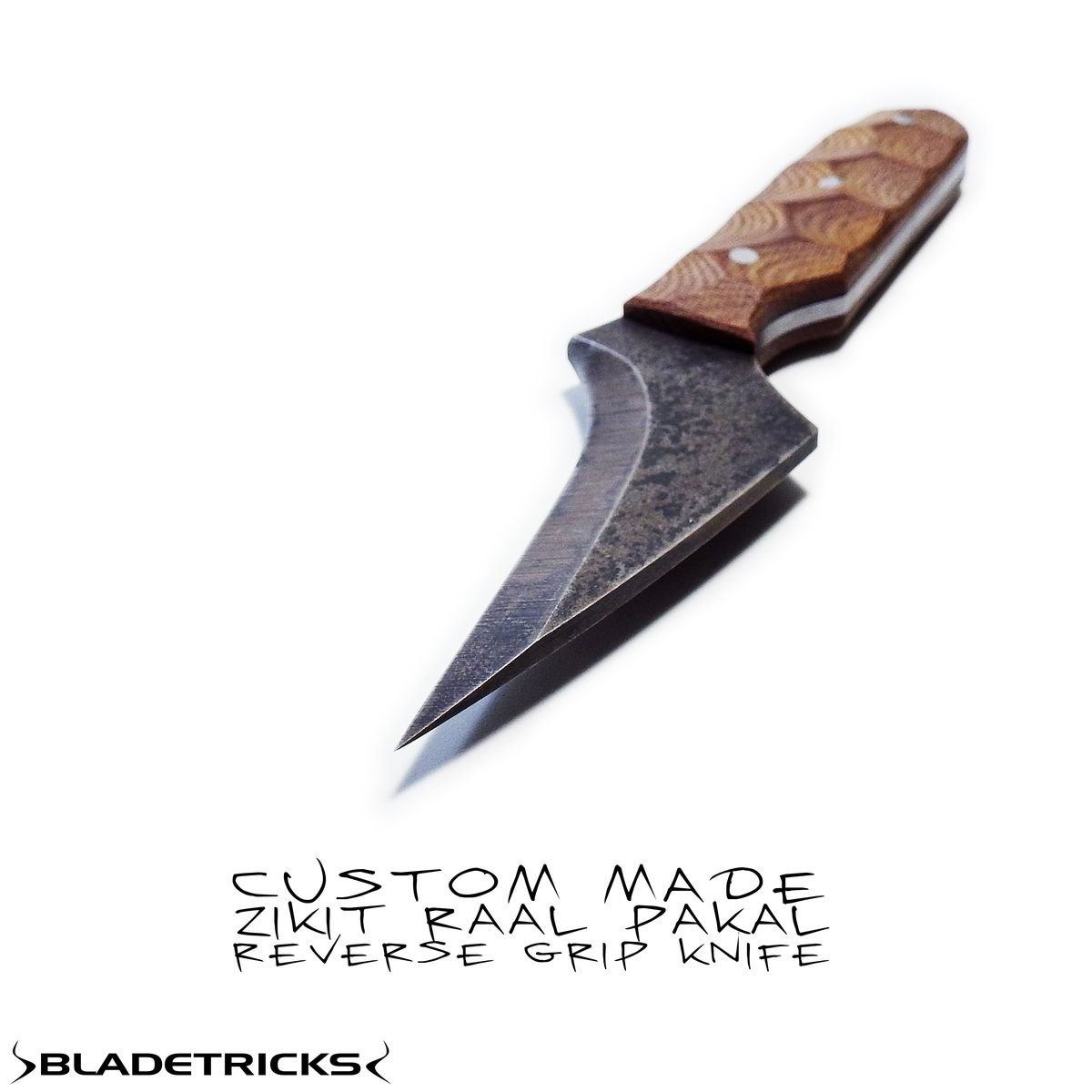
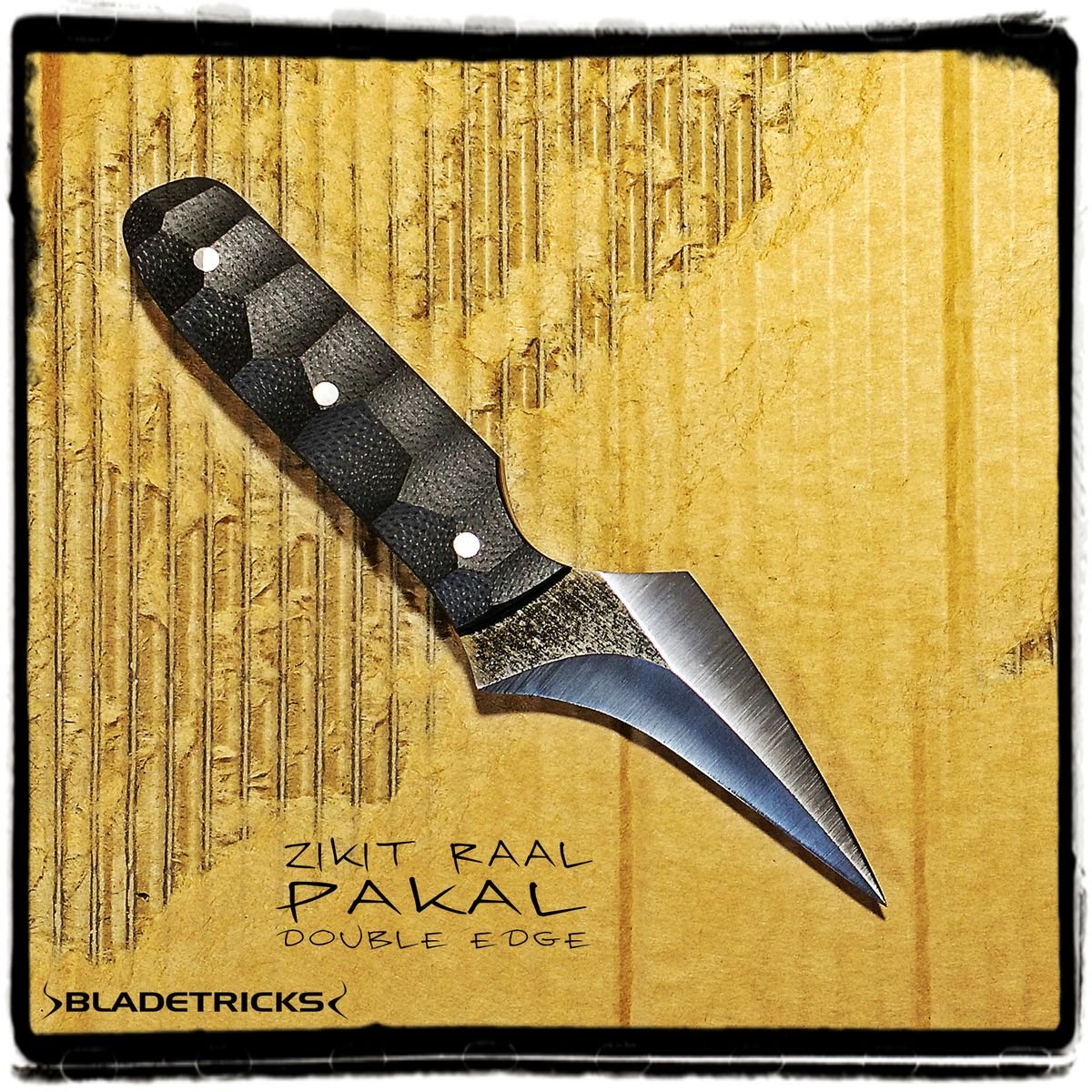
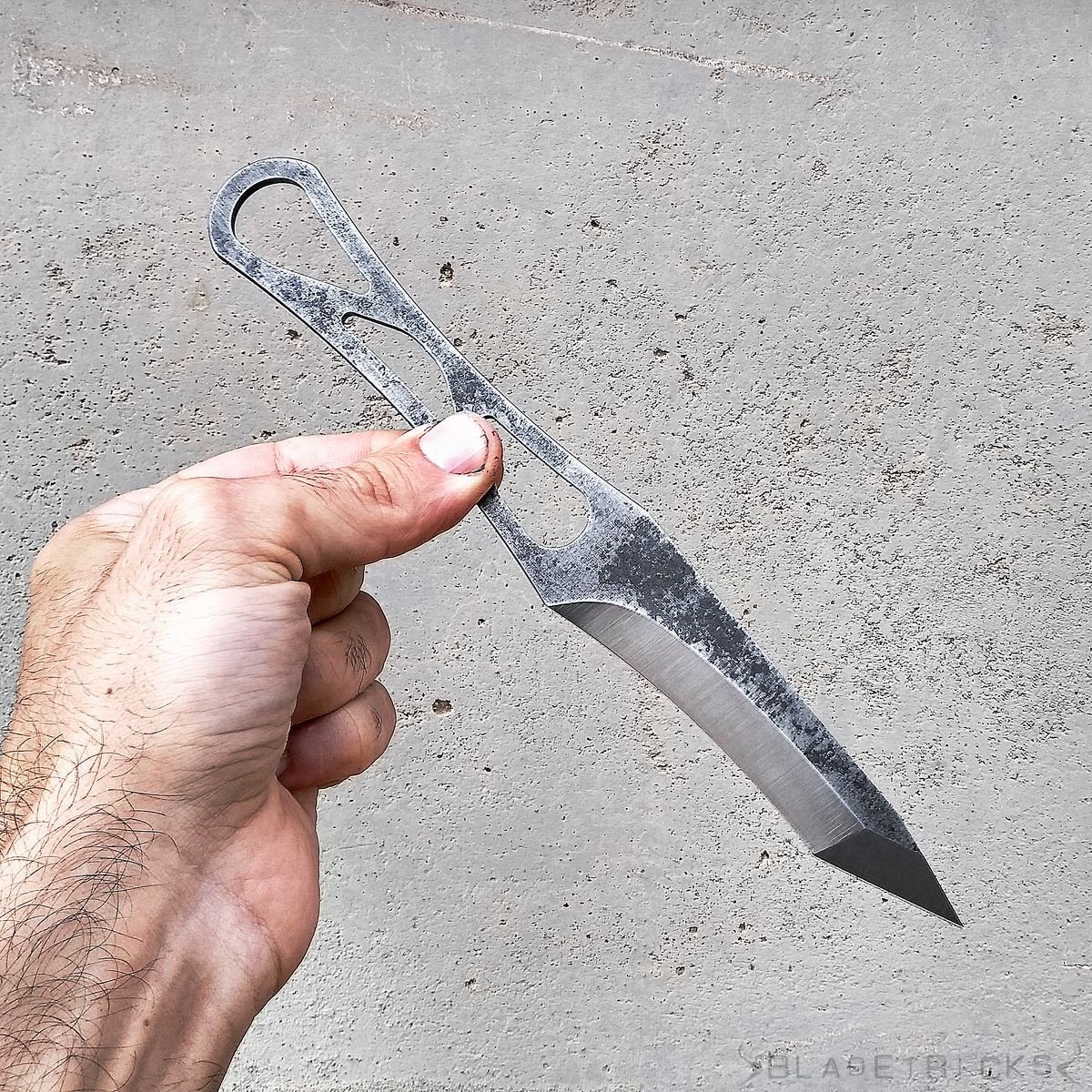
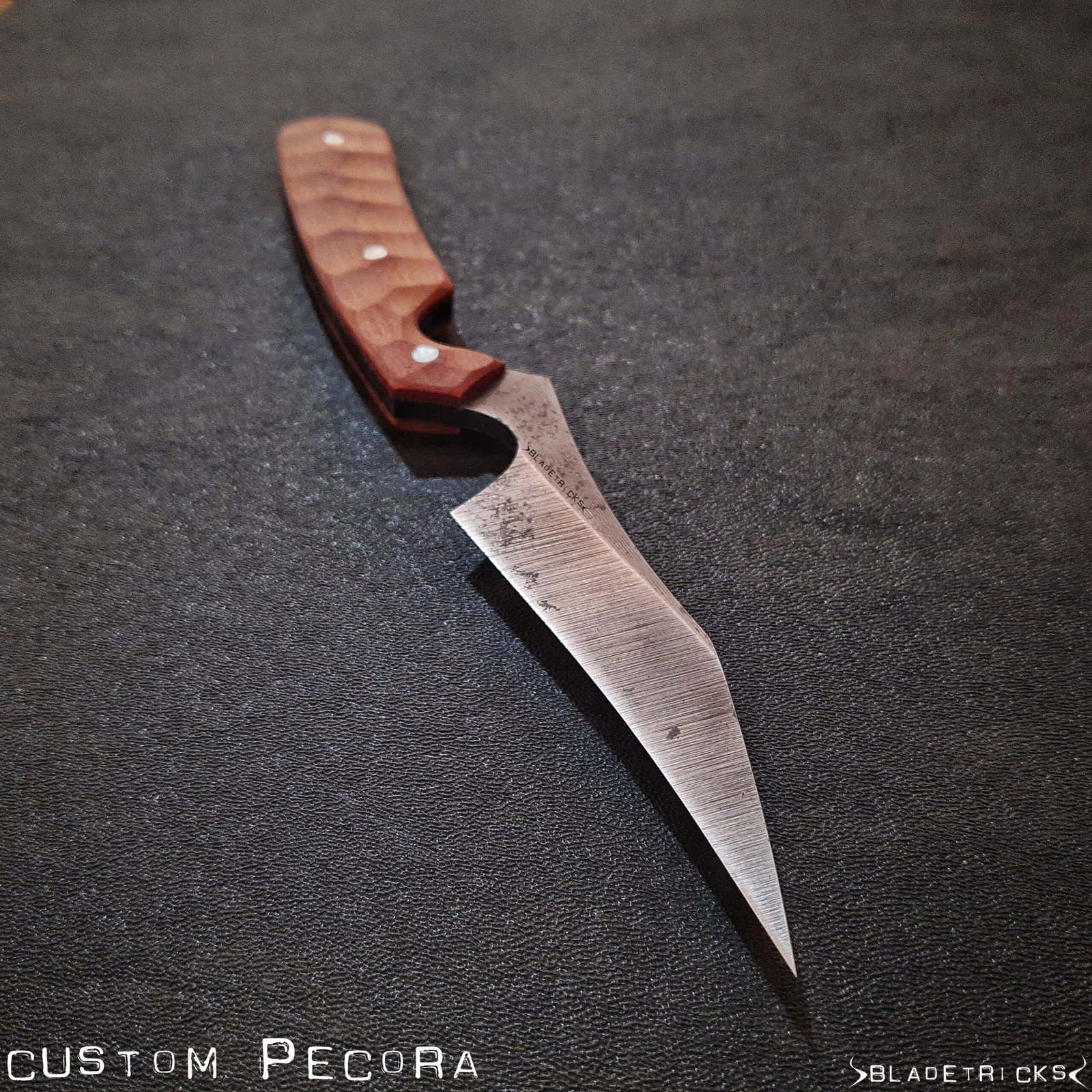
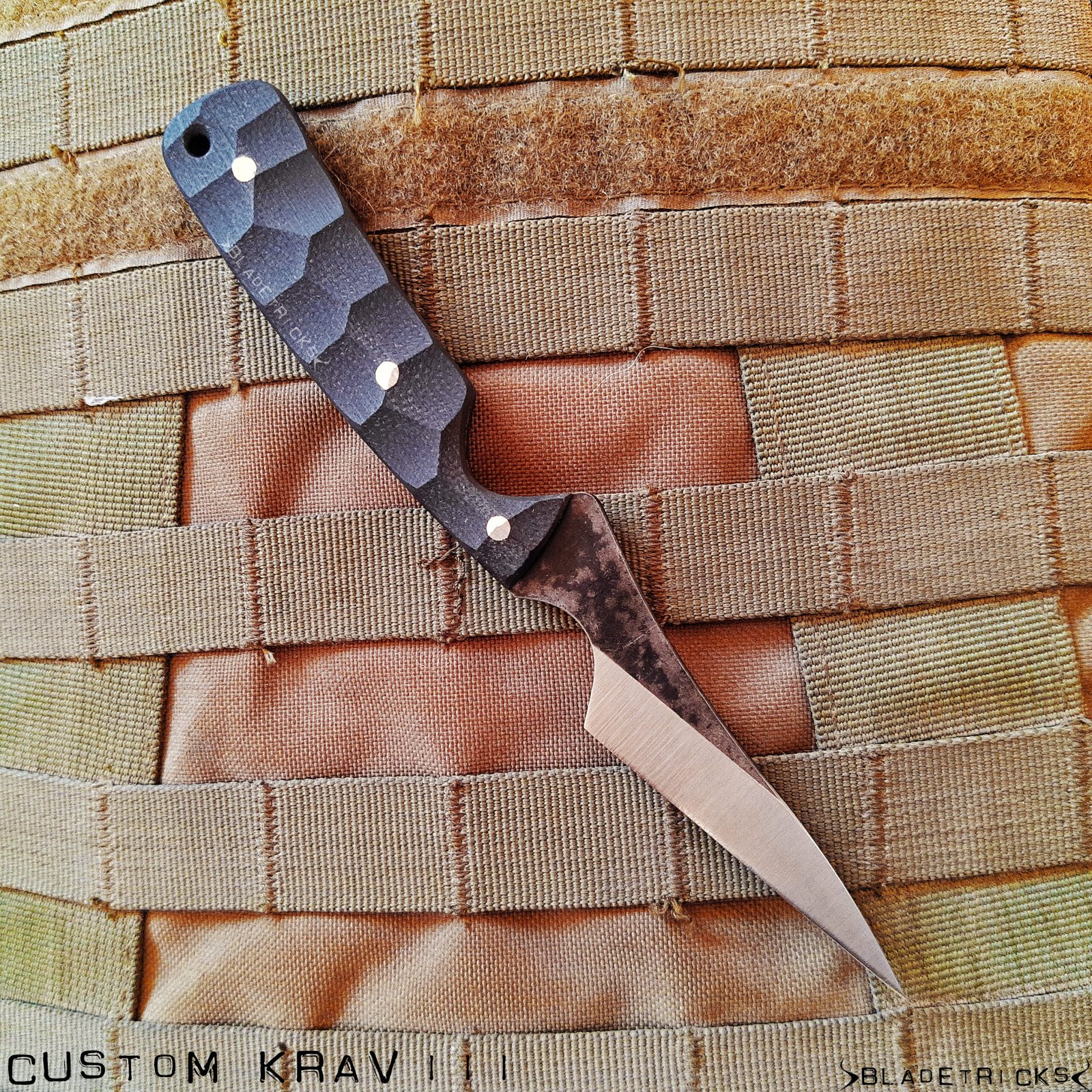
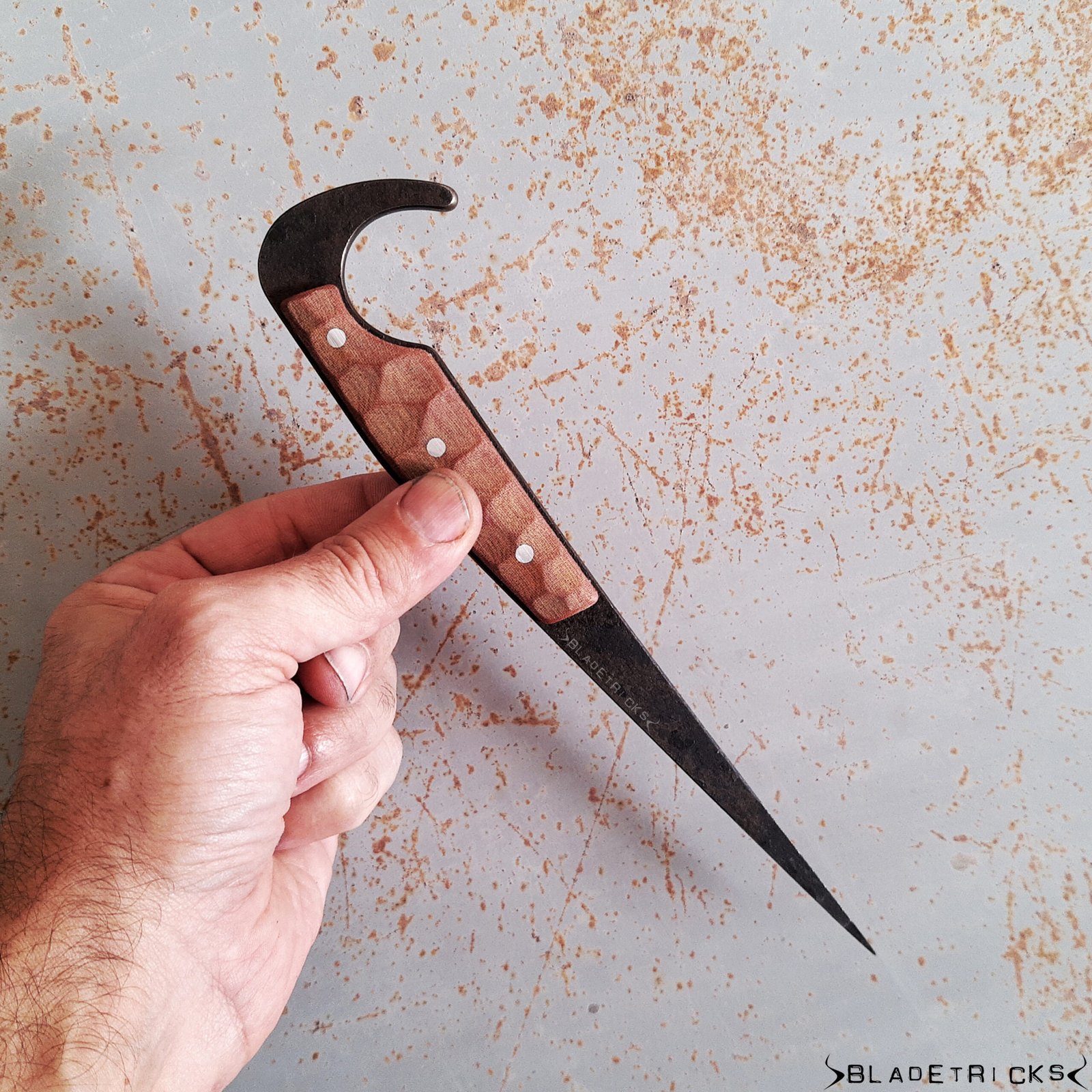
A pikal knife handle must provide more than just a place to hold — it is the steering wheel of the edge. The width of the handle is a critical factor in edge control, preventing the blade from rolling in the hand during the massive resistance of an inward rip. Adequate traction is not a luxury — it is a requirement to manage the blood, sweat, or moisture common in high-stress environments.
Safety and Hybrid Designs
A proper thumb rest or dedicated index point provides the necessary safety to prevent the hand from sliding onto the blade during high-impact axial thrusts.
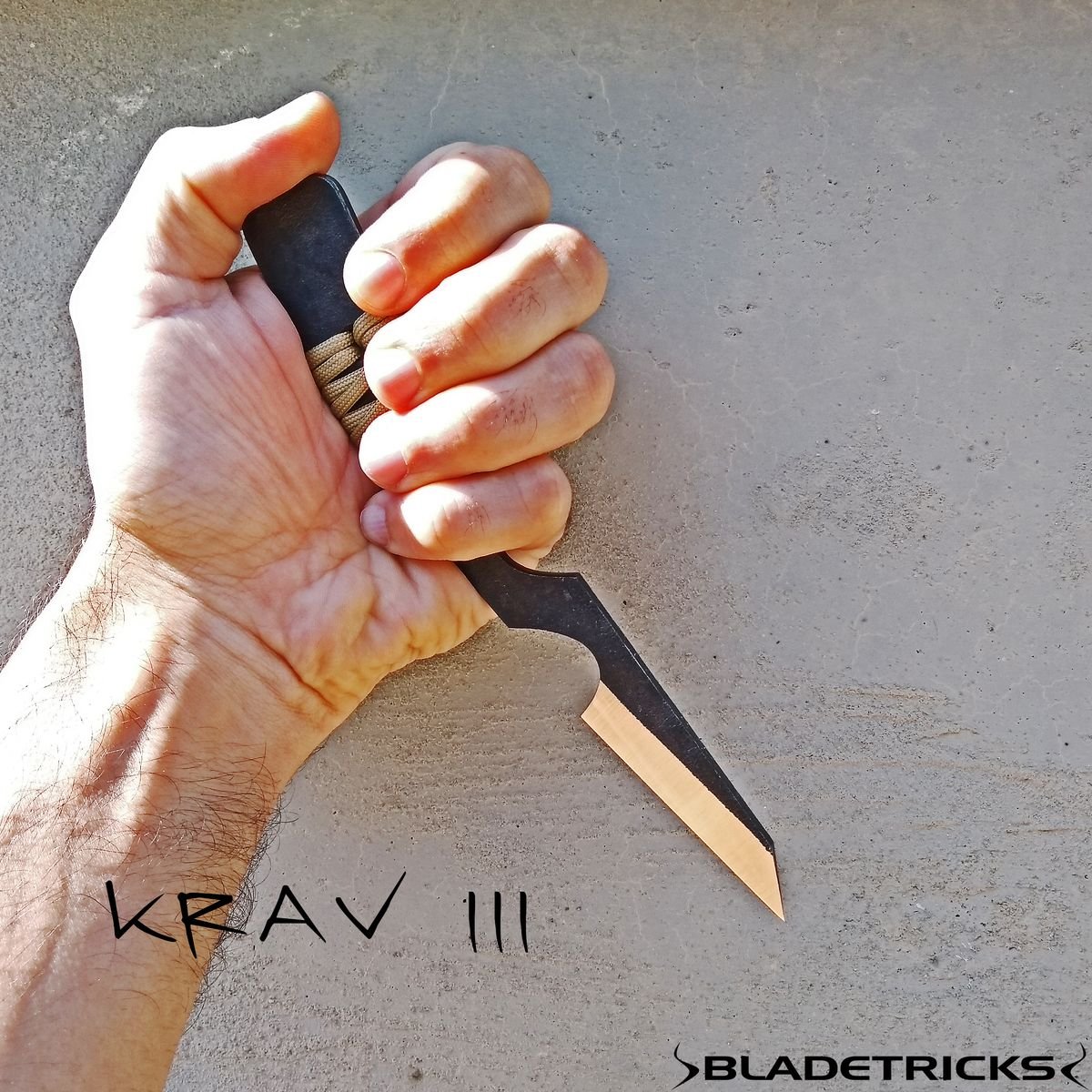

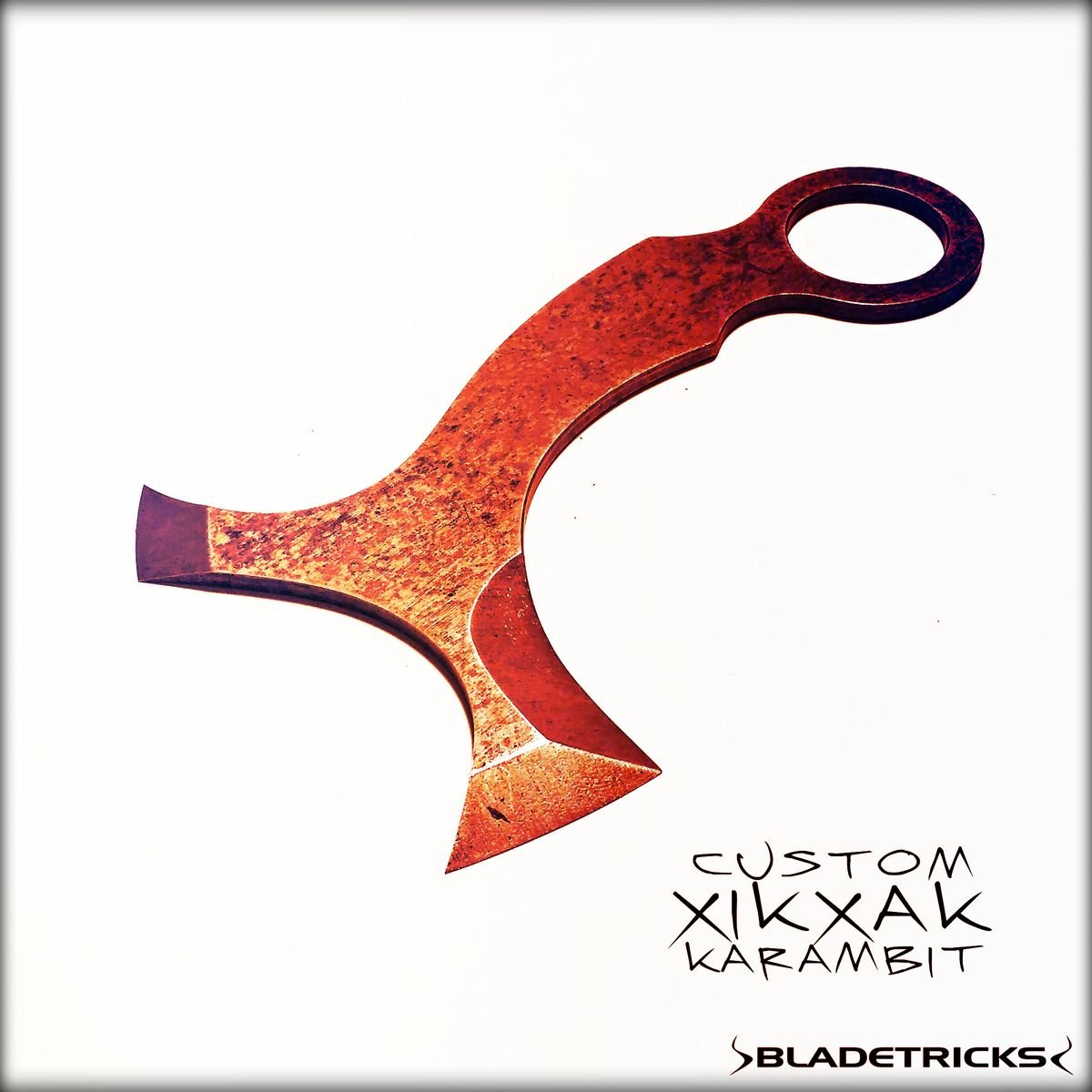
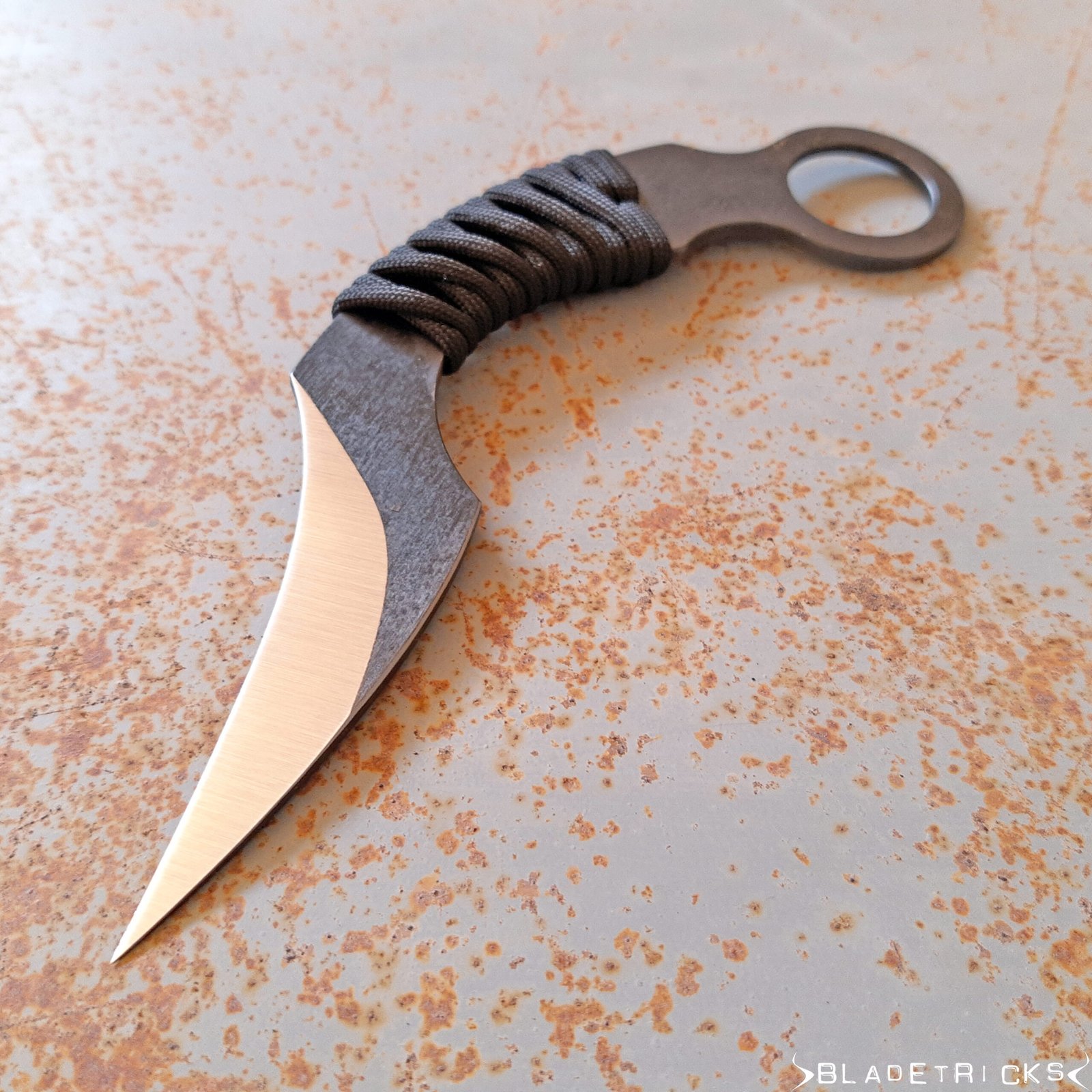
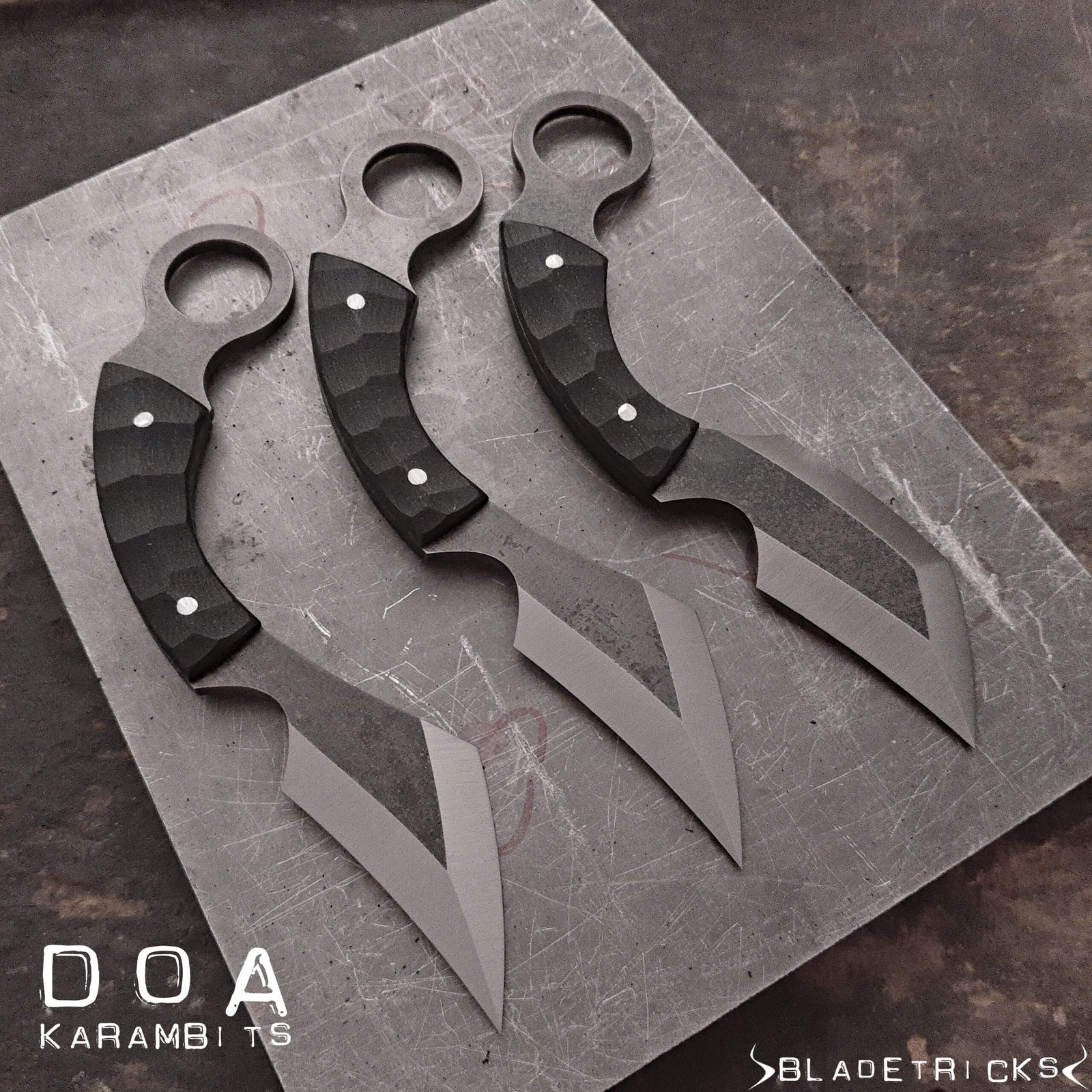
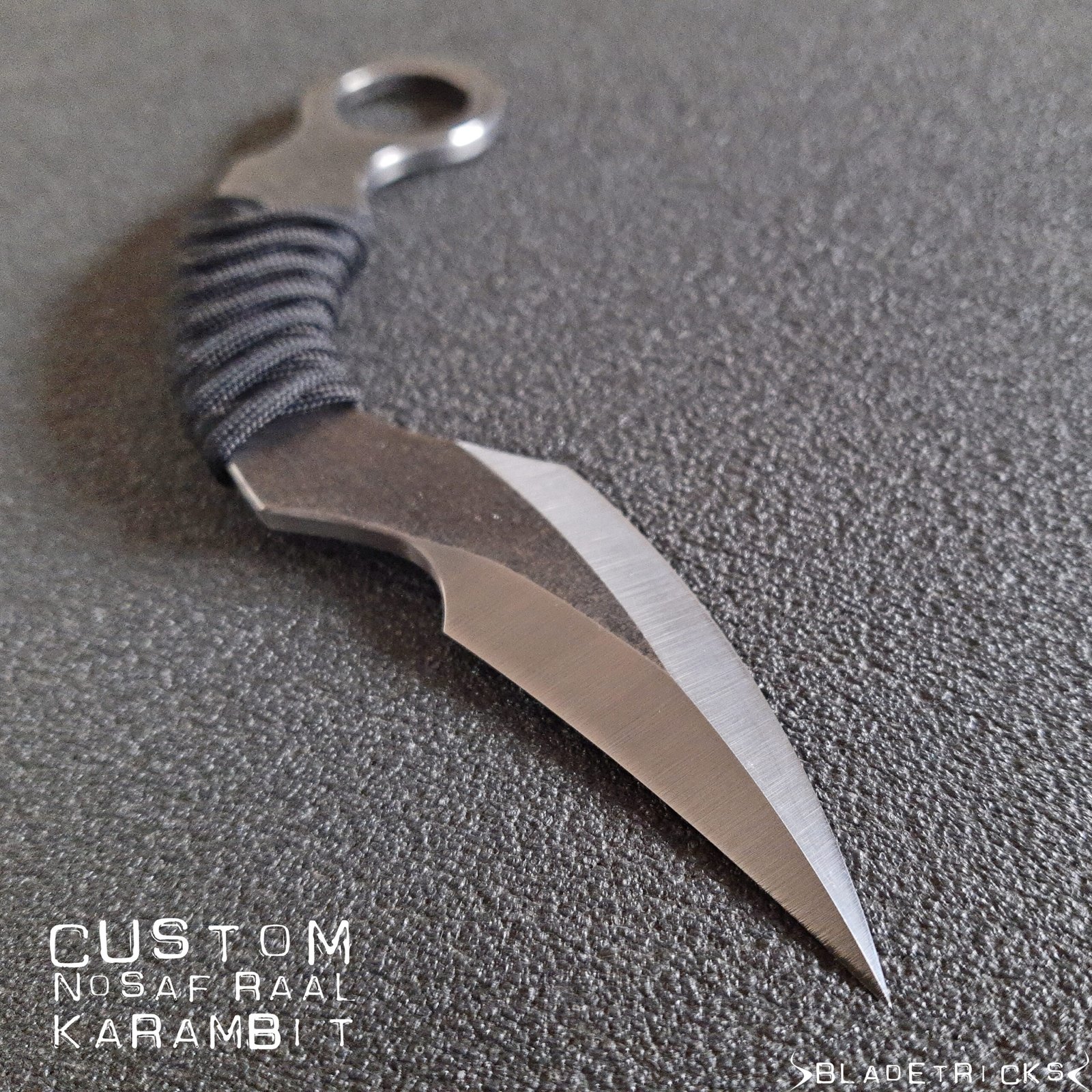
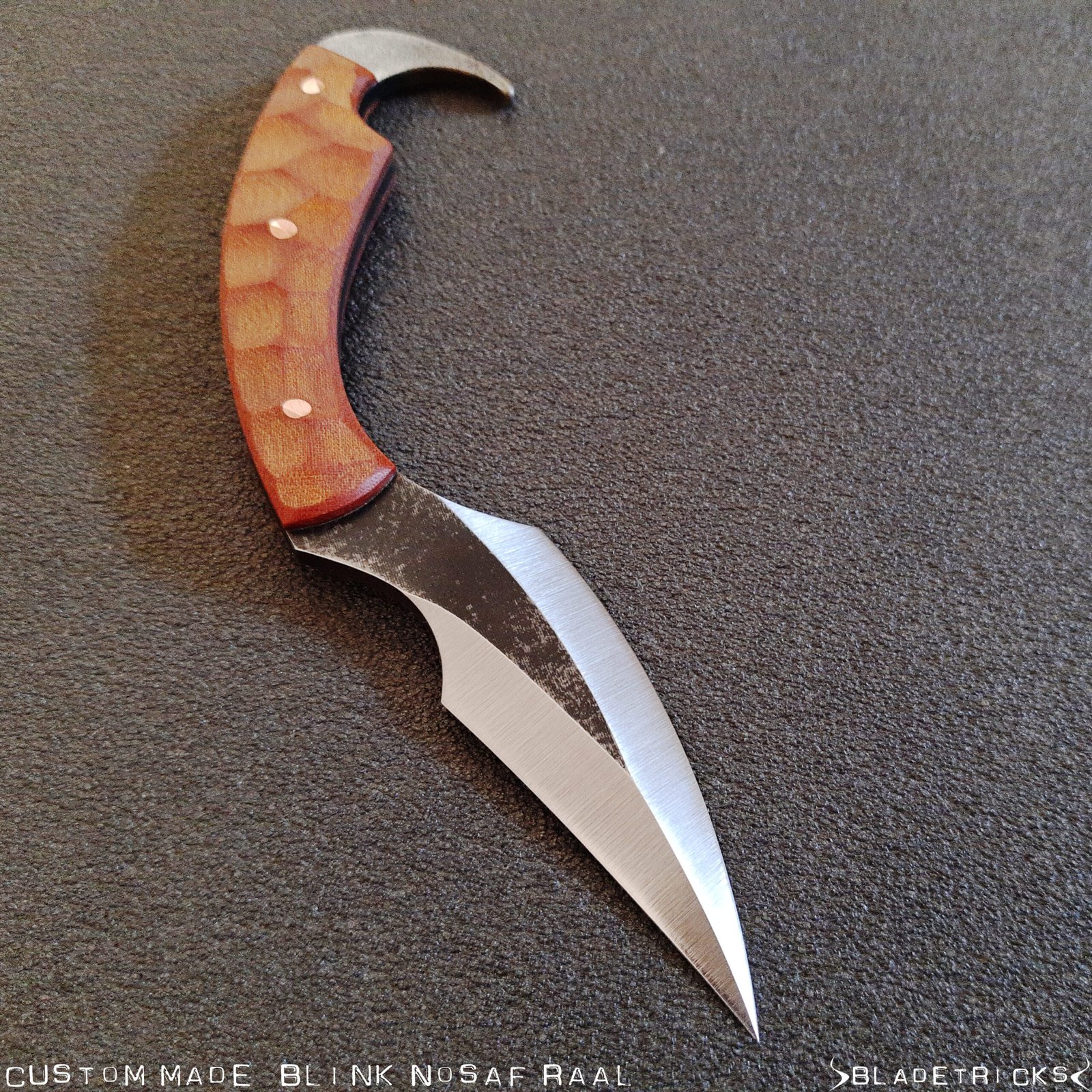
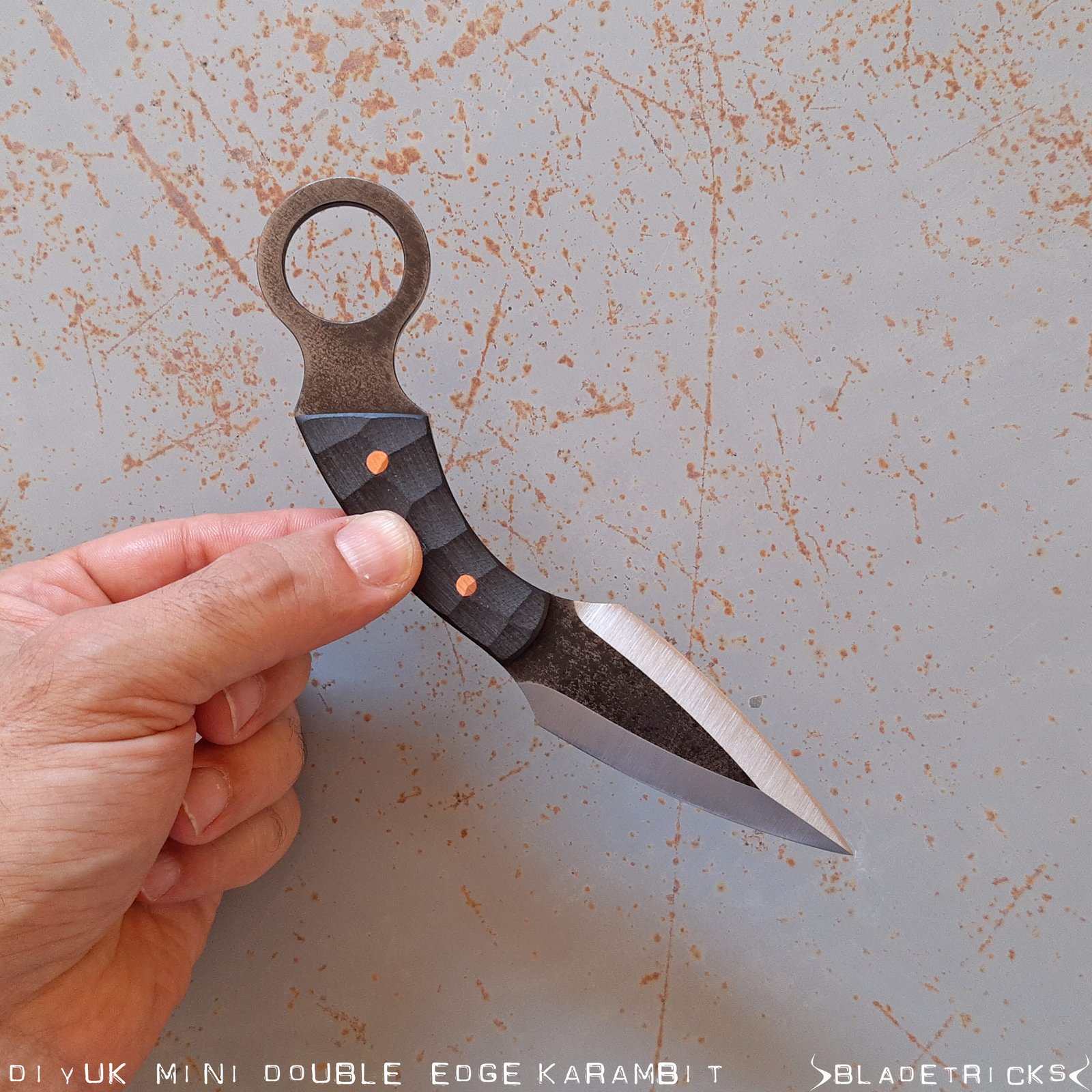
Long ago, I also pioneered the combination of pikal and karambit elements on a single blade, offering a hybrid solution for those who require the retention of a ring with the aggressive geometry of RGEI.
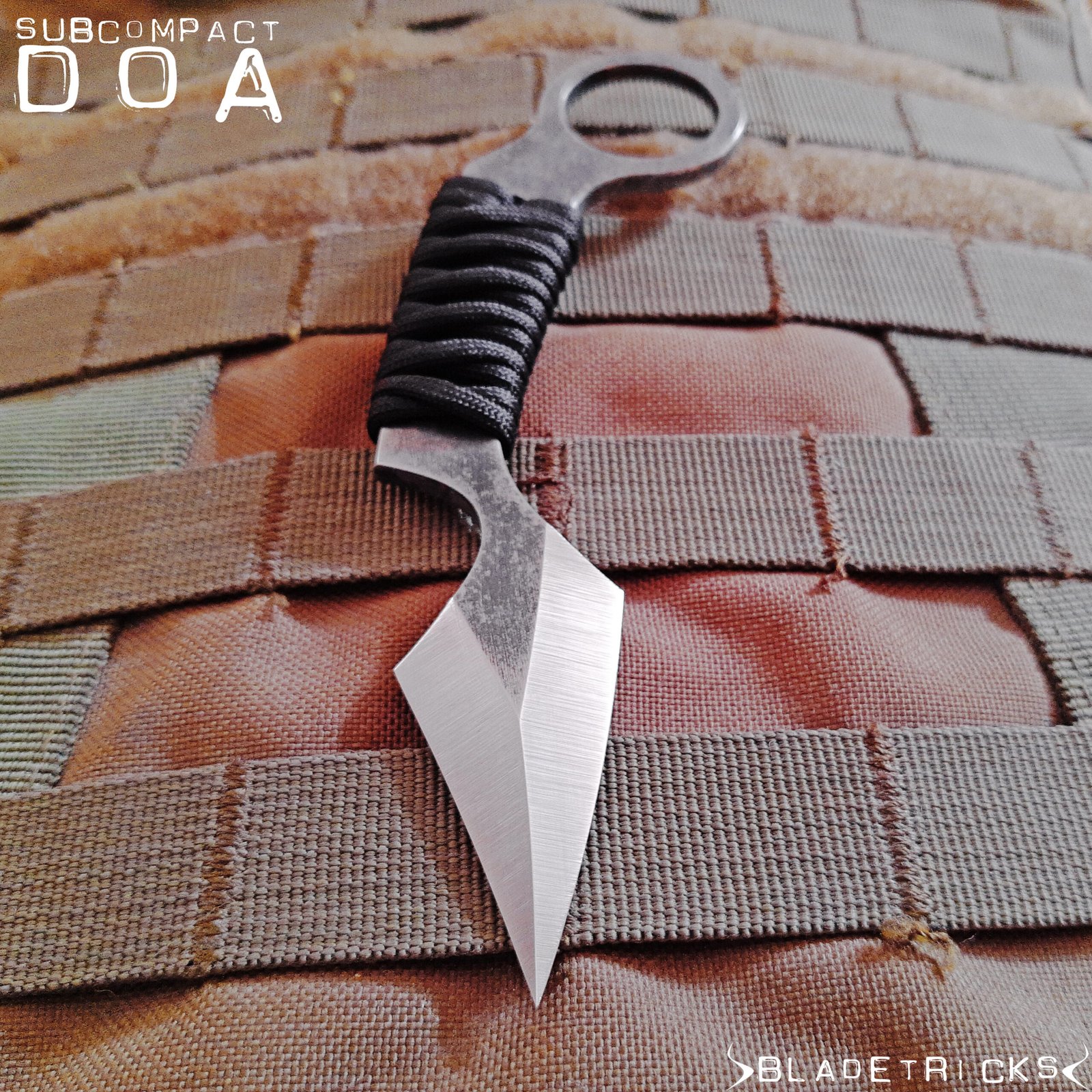
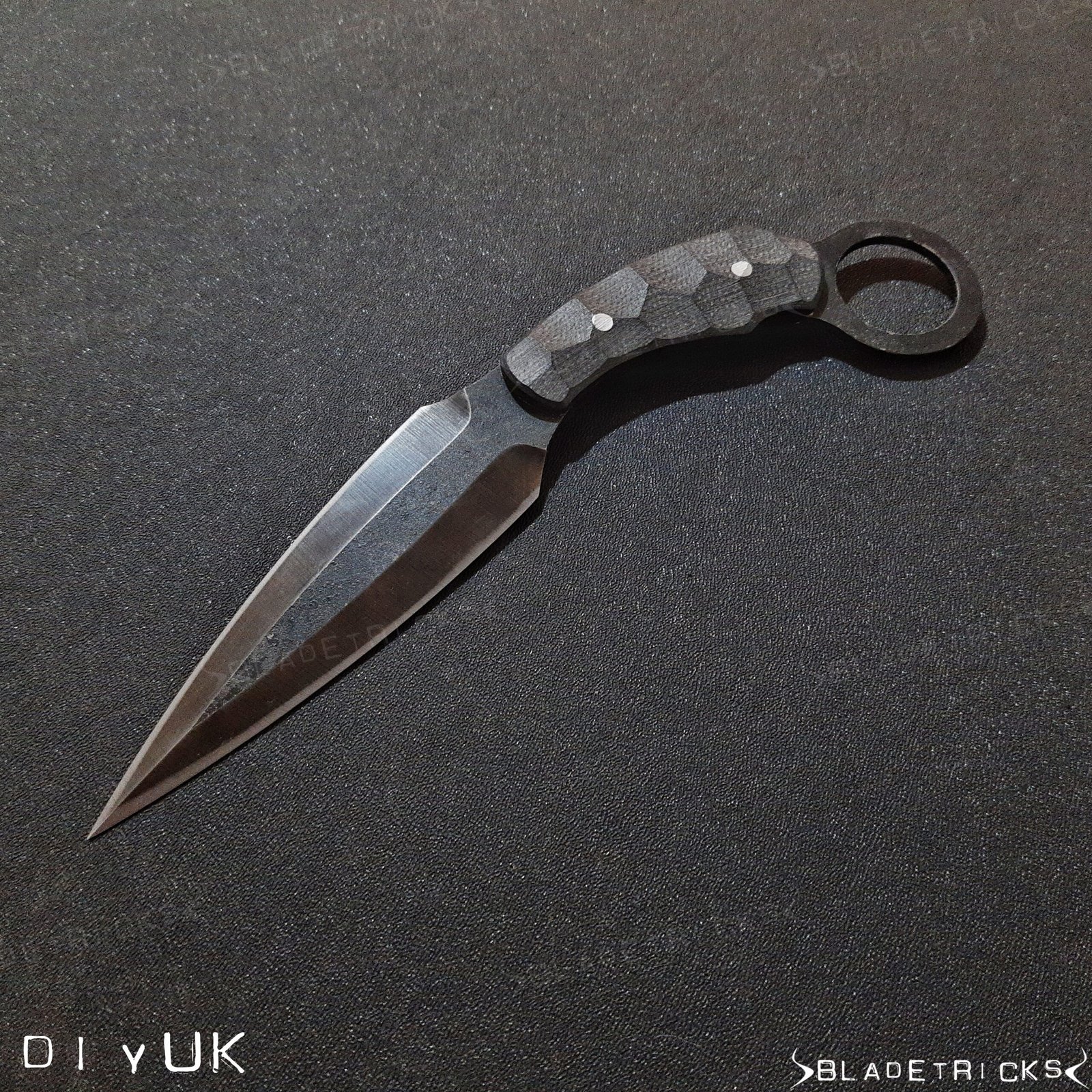
The Blink Grip: Engineering the Instant Draw
The most critical component of this system is not the strike. It is the draw. Research on combat stress is clear: in a life-threatening encounter, fine motor skills are among the first casualties of sympathetic nervous system activation. Hesitation during deployment — fumbling a retention mechanism, misorienting the edge — is the actual failure point. Not technique. Not blade geometry.
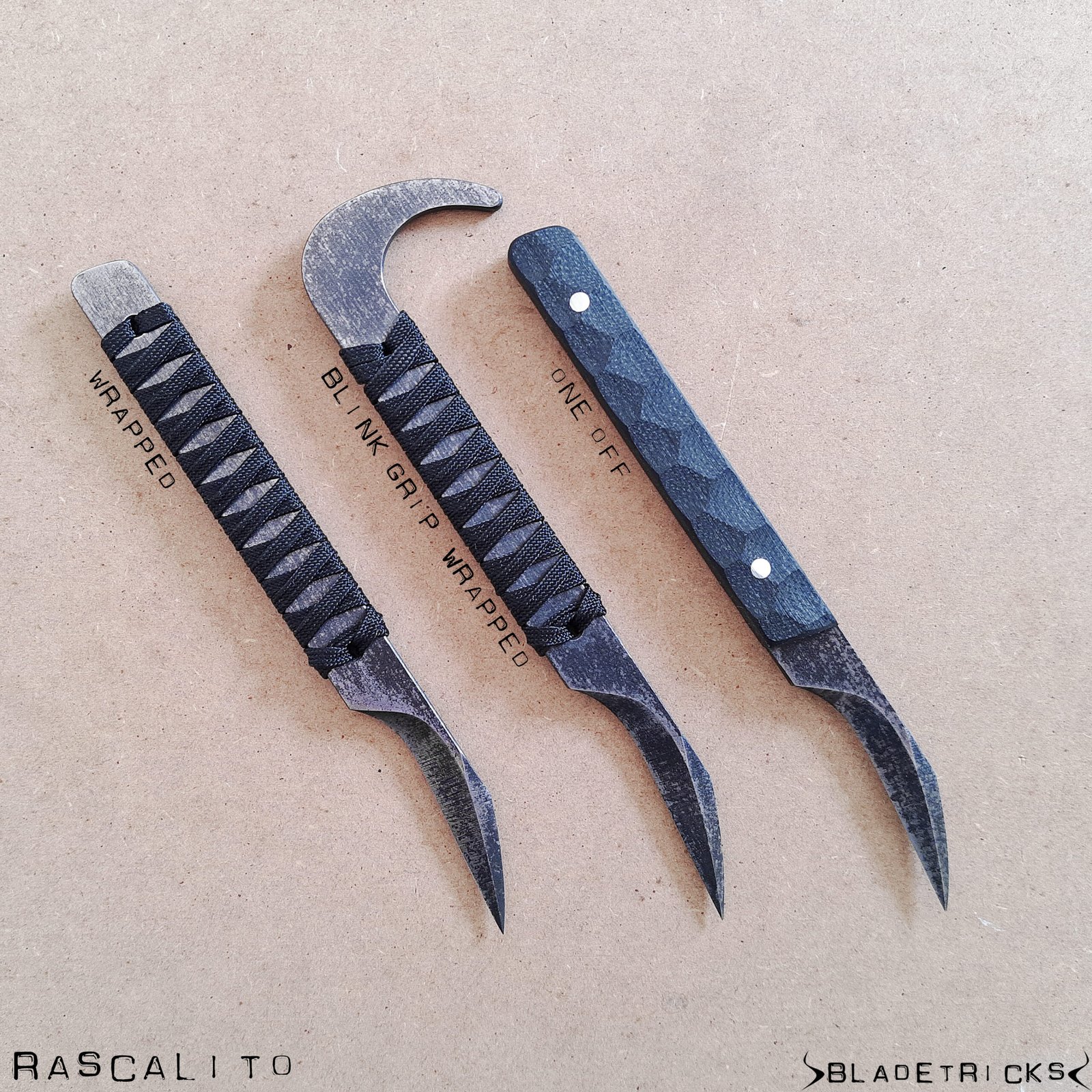
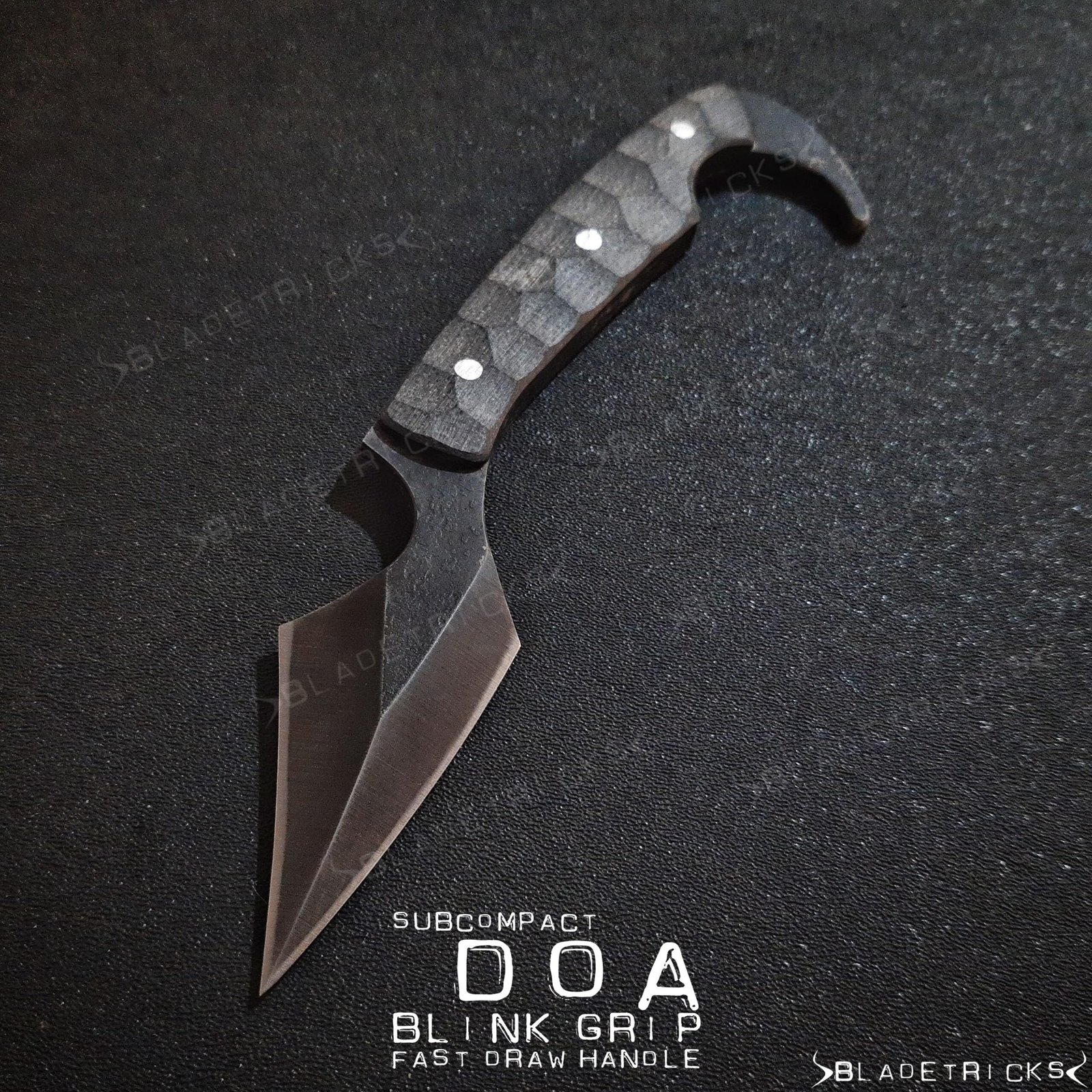
To solve this, I developed the Bladetricks Blink Grip: a handle architecture that allows a near-instantaneous, blind-indexed draw from a Kydex sheath with no mechanical parts, no buttons, no conscious thought required. The edge is correctly oriented the moment the tool clears the sheath. It was designed for a body already in fight-or-flight — not for the calm, controlled environment of a training hall.
The Blink Grip has become a global reference point for pikal and self-defense knife design — a fact I note without enthusiasm, given how liberally the concept has been adopted without credit.
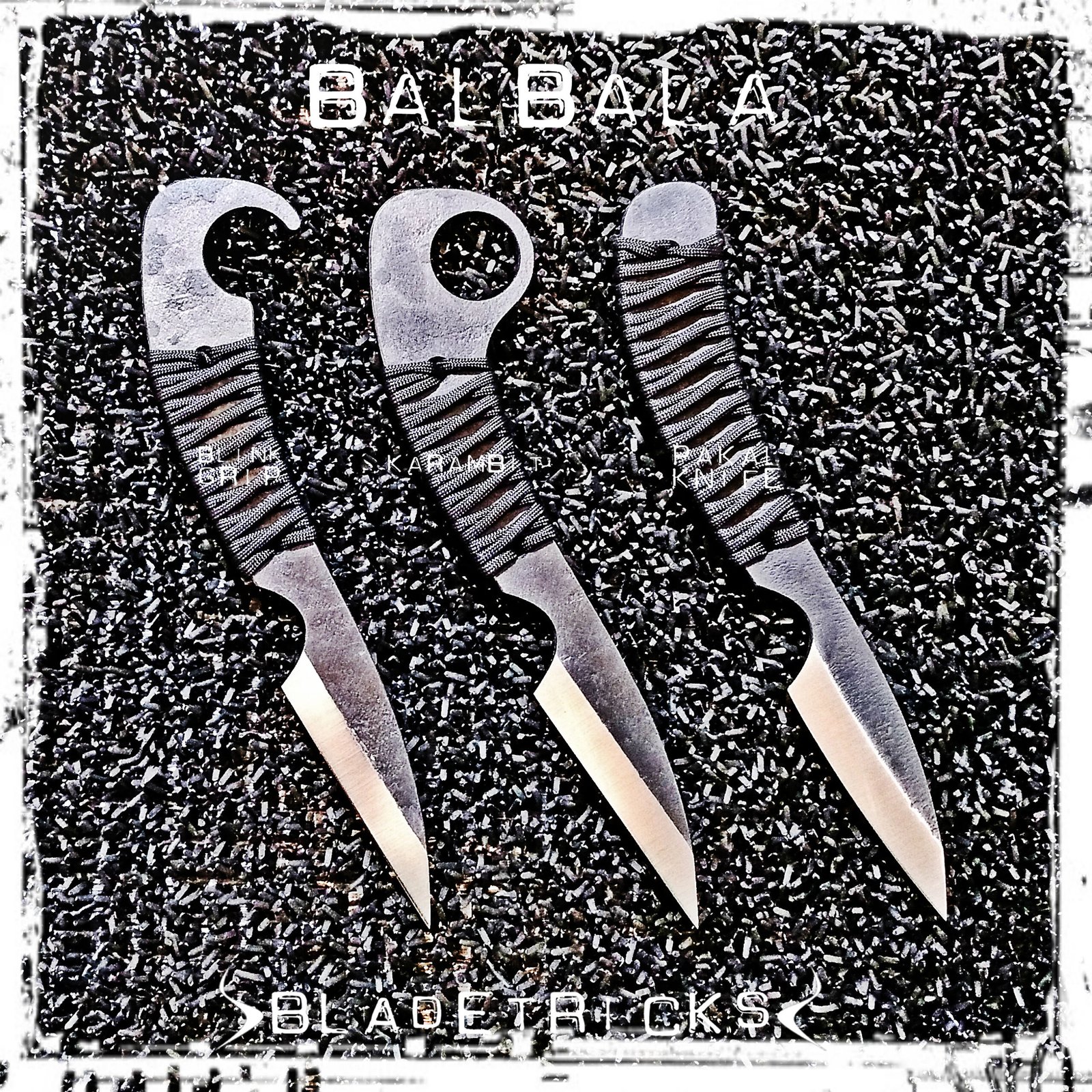
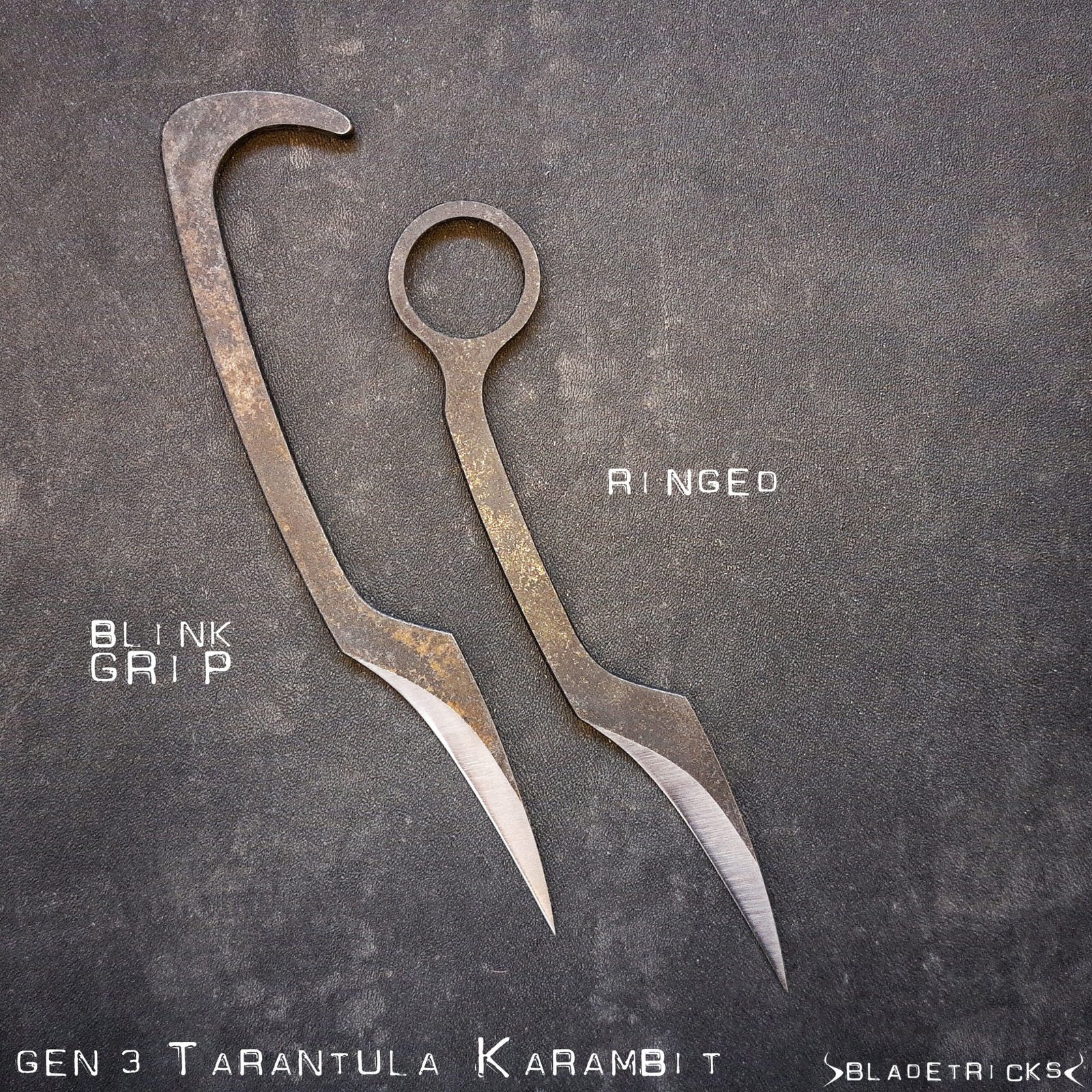
Geometry and Blade Profile: The Shift to Traditional Shapes
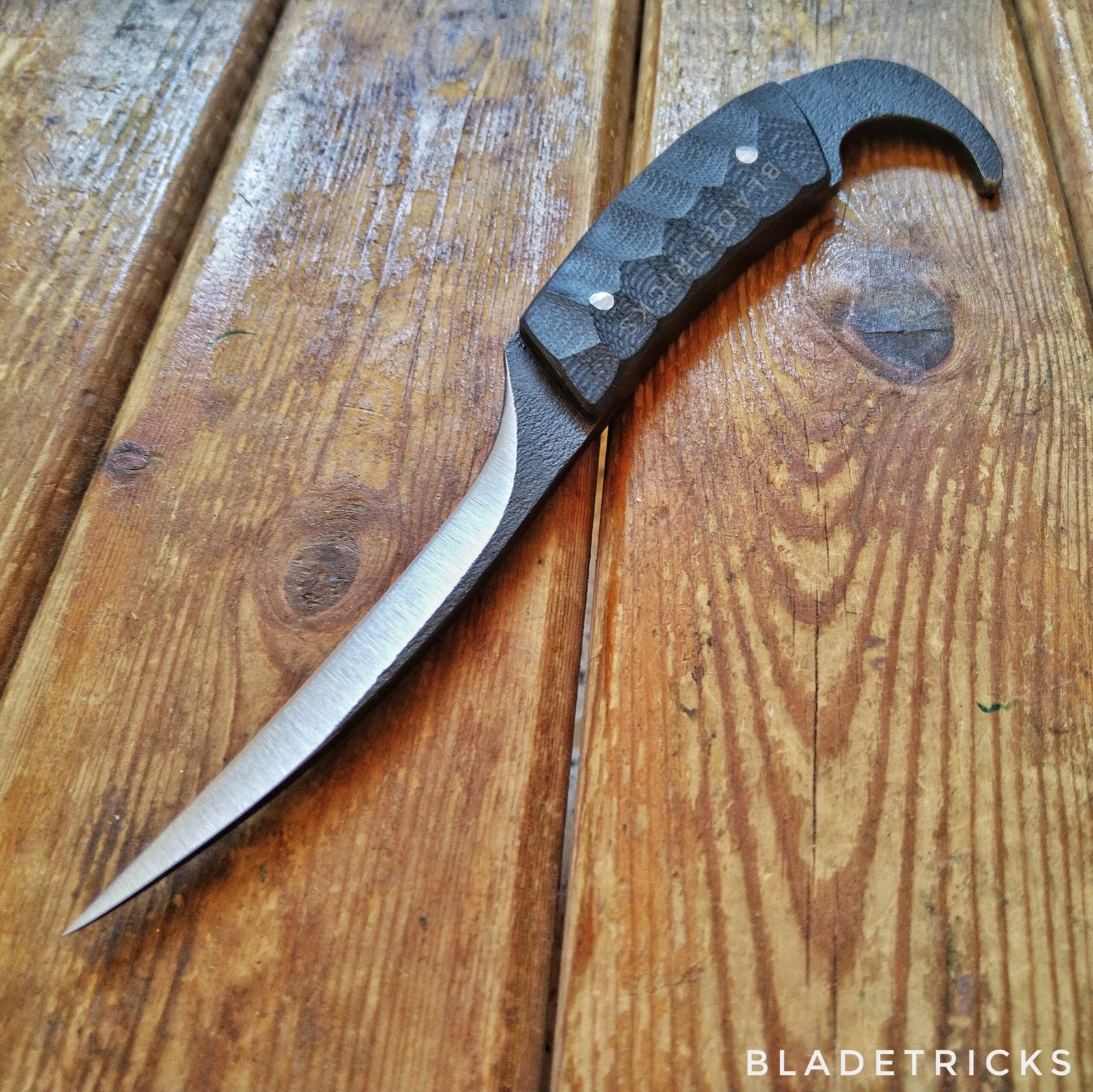
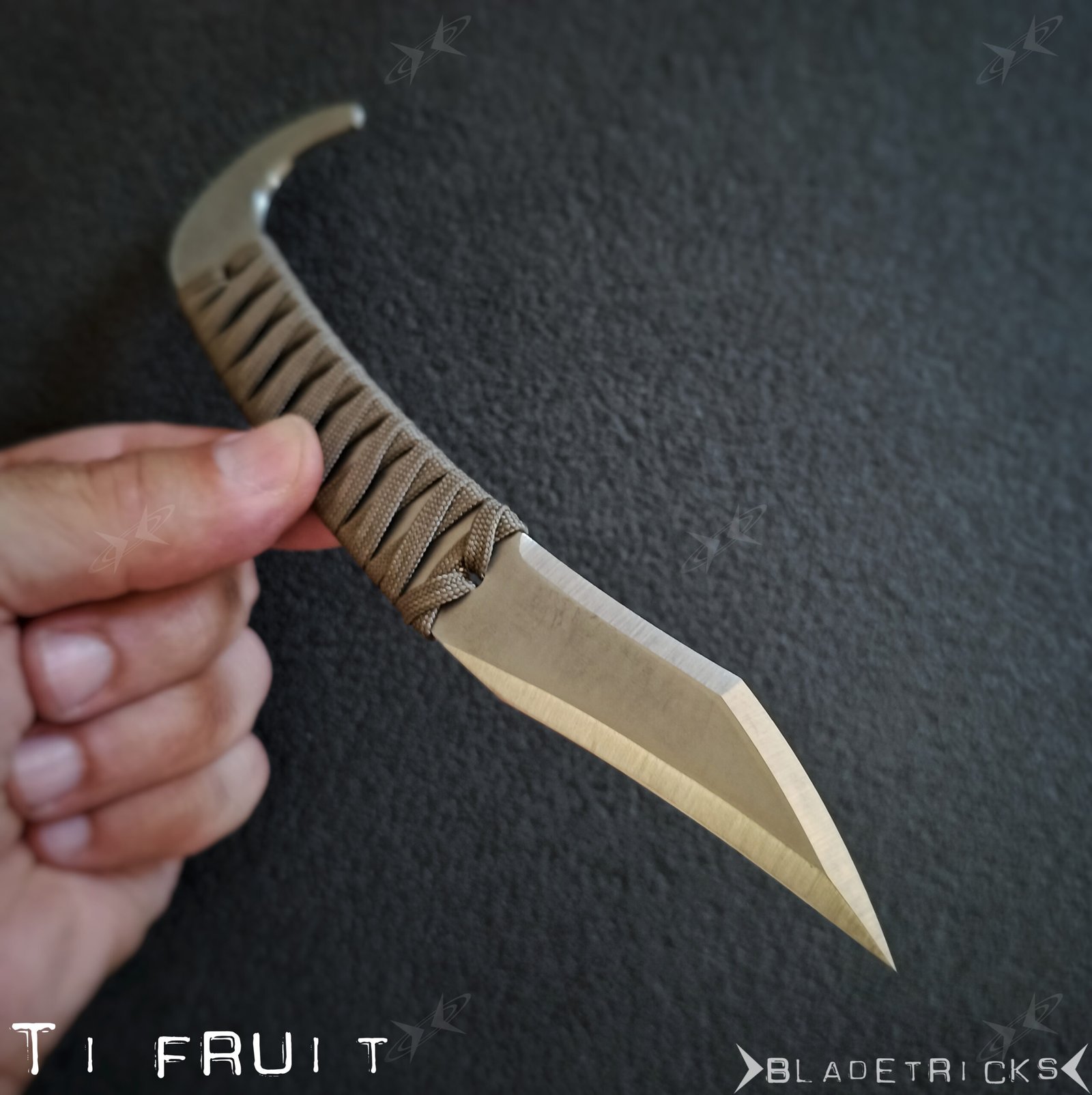
While the majority of dedicated RGEI knives feature a hooked or hawkbill profile — often reminiscent of karambit blades — I have shifted my focus toward more traditional shapes. While a hook excels at the rip, it can limit the tool’s versatility and increase the difficulty of sharpening.
Versatility and Maintenance
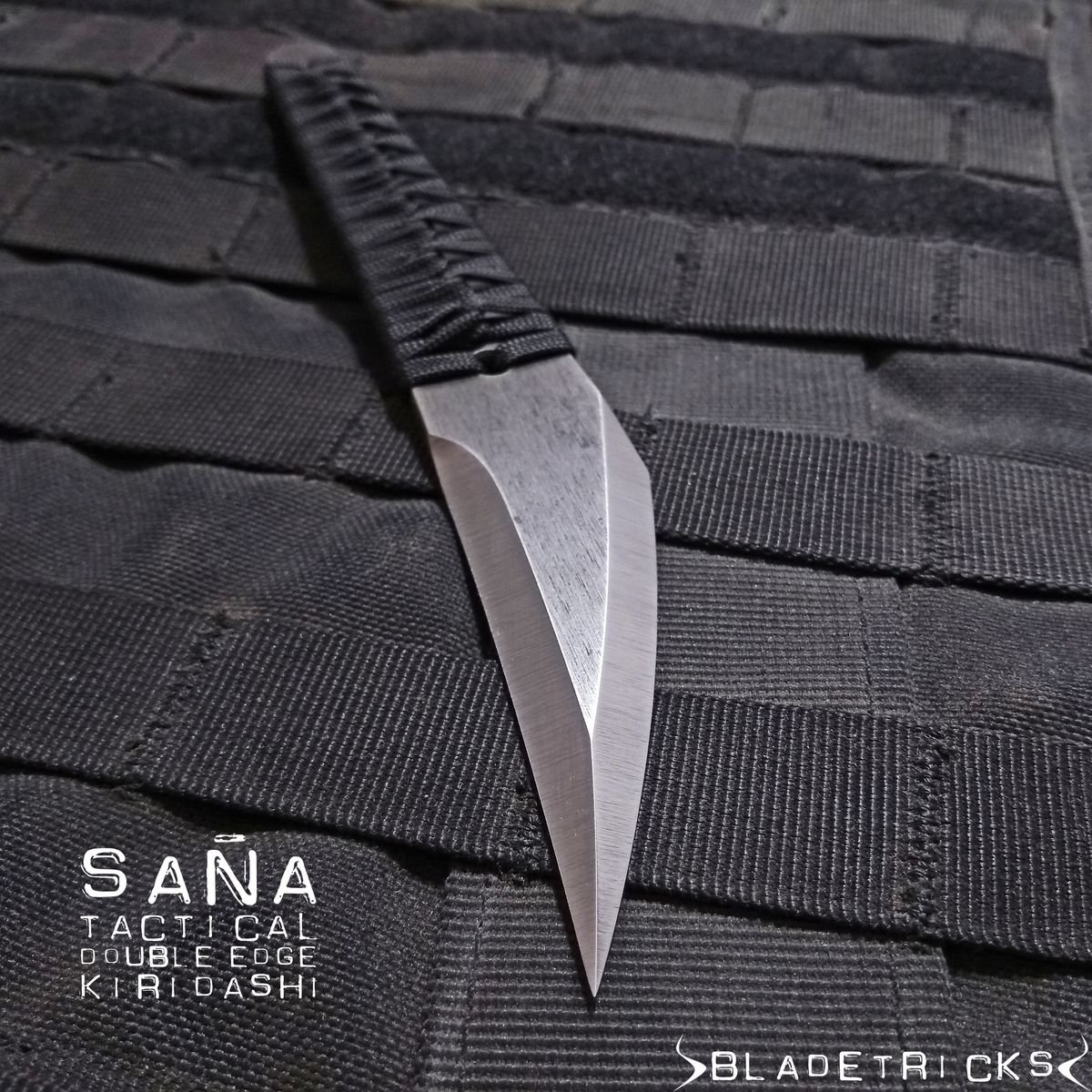
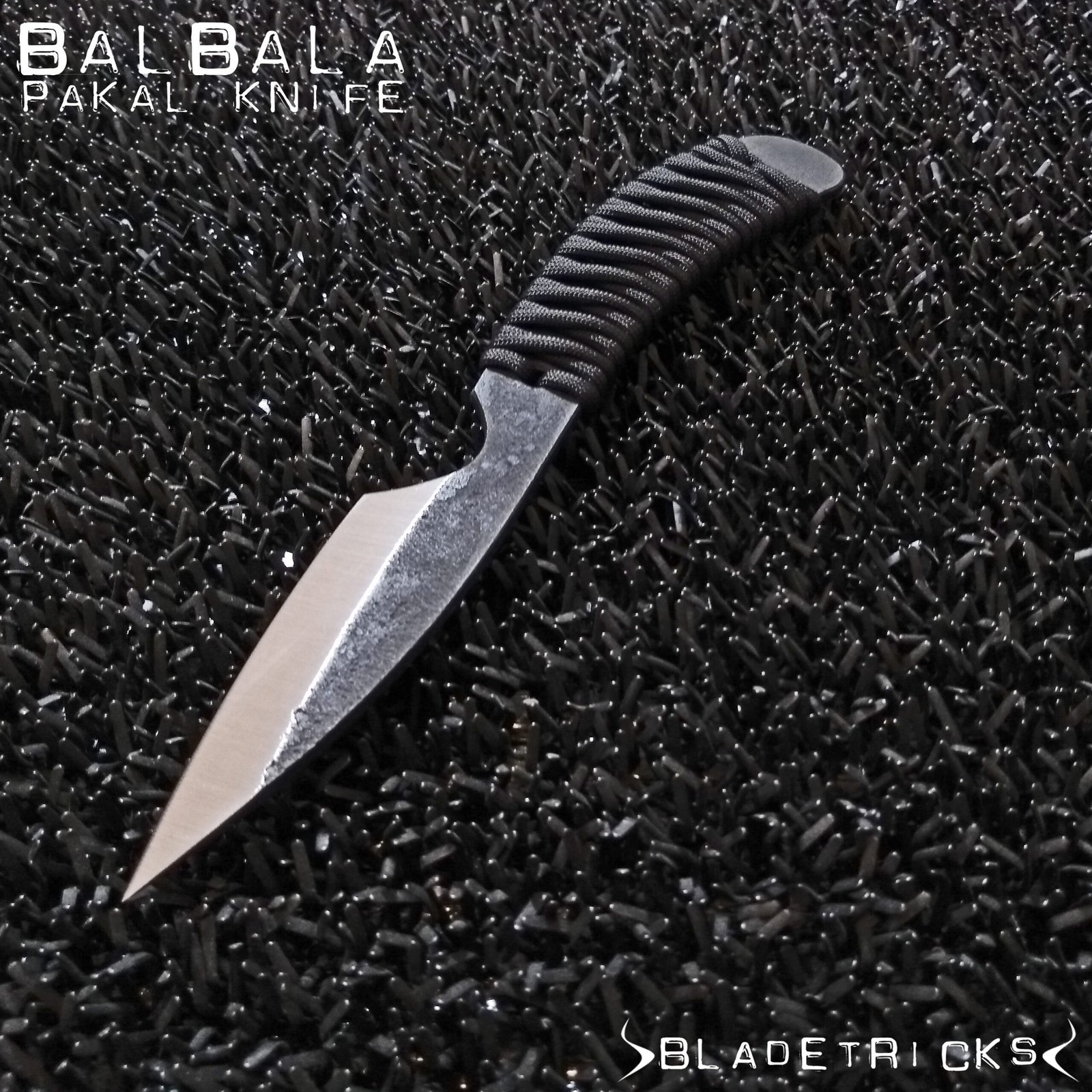
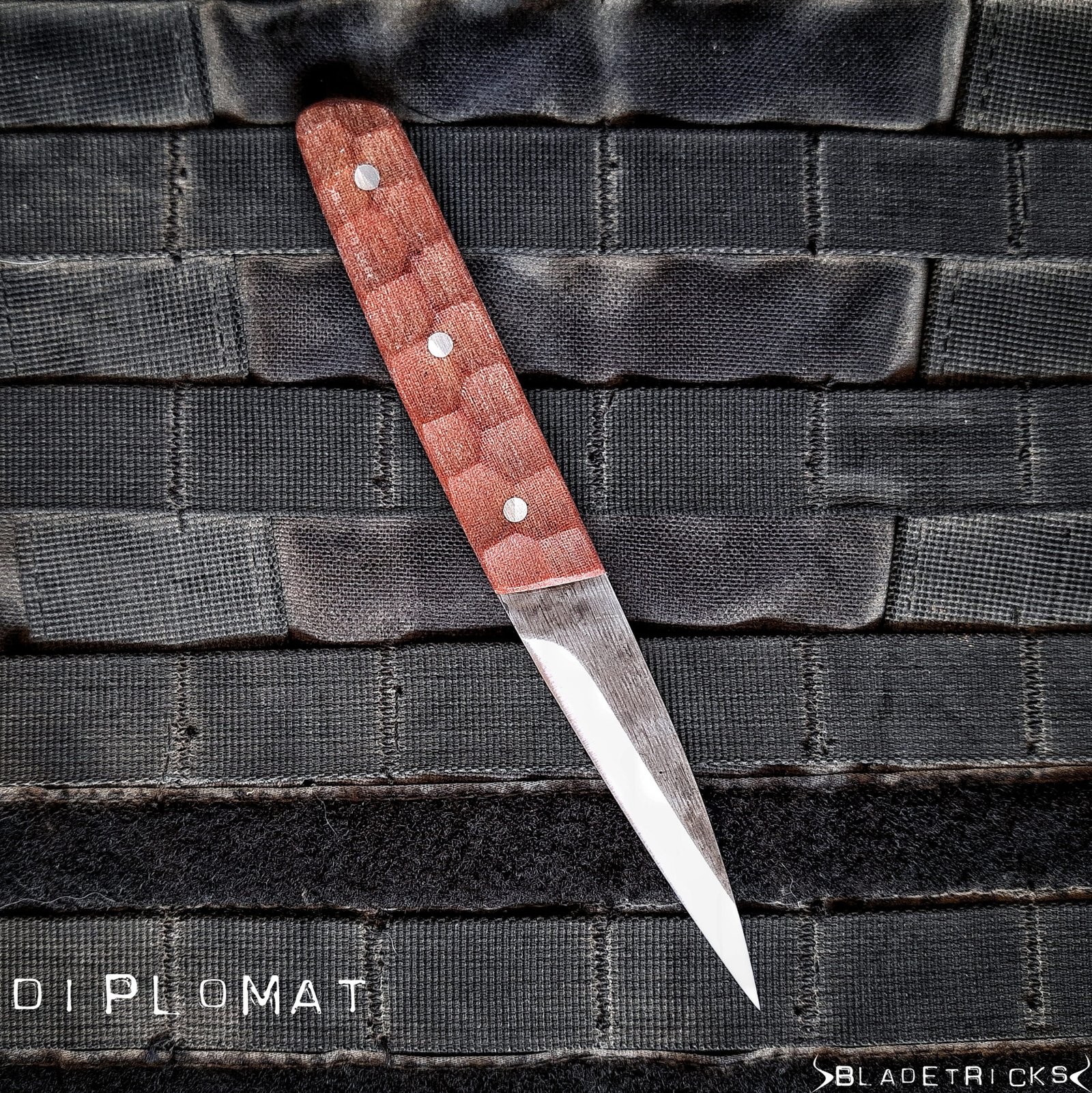
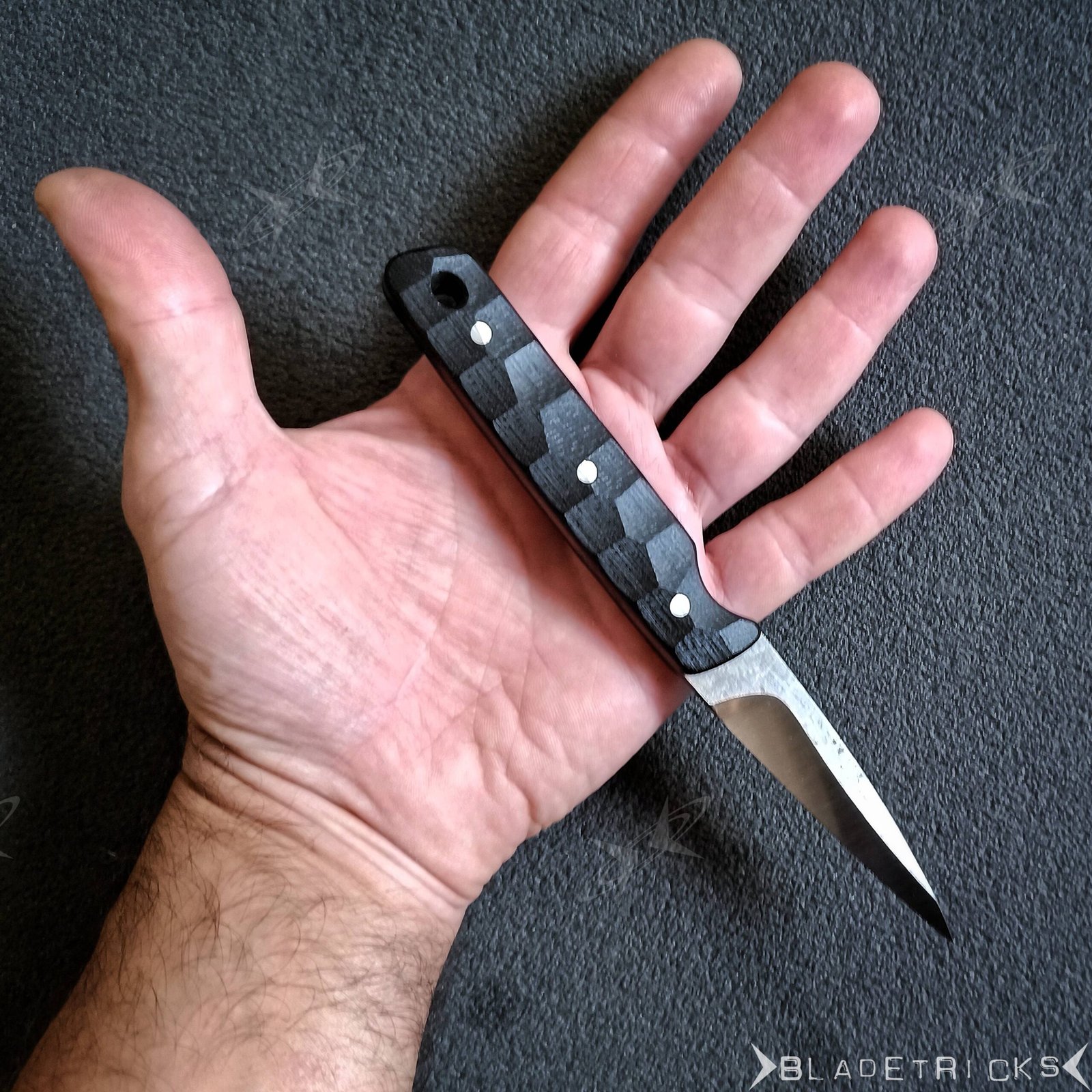
On models like the Tusk Knife or the discreet Diplomat, I utilize straighter, more traditional geometries. These profiles maintain the pikal advantage in the reverse grip while providing a more robust tip and a cleaner path of entry. They are easier to maintain and offer the professional a more balanced tool that does not sacrifice the catastrophic potential of the inward strike for the sake of a curved aesthetic.

Limits of the Technique
The pikal system is highly specialized. While it dominates in close-quarters confrontations and clinches, it inherently lacks the reach of a sabre grip. It is a tool of commitment, optimized for the ranges where most real-world edged weapon encounters actually occur — not the dueling distances where most knife training takes place. Blade length is generally kept compact, between 50 and 100 mm, to ensure the tool remains concealable, maneuverable, and fast to deploy. Understanding these limits is as important as understanding the advantages. A specialist who does not know where his tool ends is not a specialist.
I have built pikal knives and tools around these principles for over a decade. The geometries developed in those early years are now visible in the work of makers around the world. I take that as confirmation that the mechanical logic was correct — not as a compliment.