Category: Uncategorized

  • THE KIRIDASHI: A BLADE OF PRECISION AND SIMPLICITY

    THE KIRIDASHI: A BLADE OF PRECISION AND SIMPLICITY

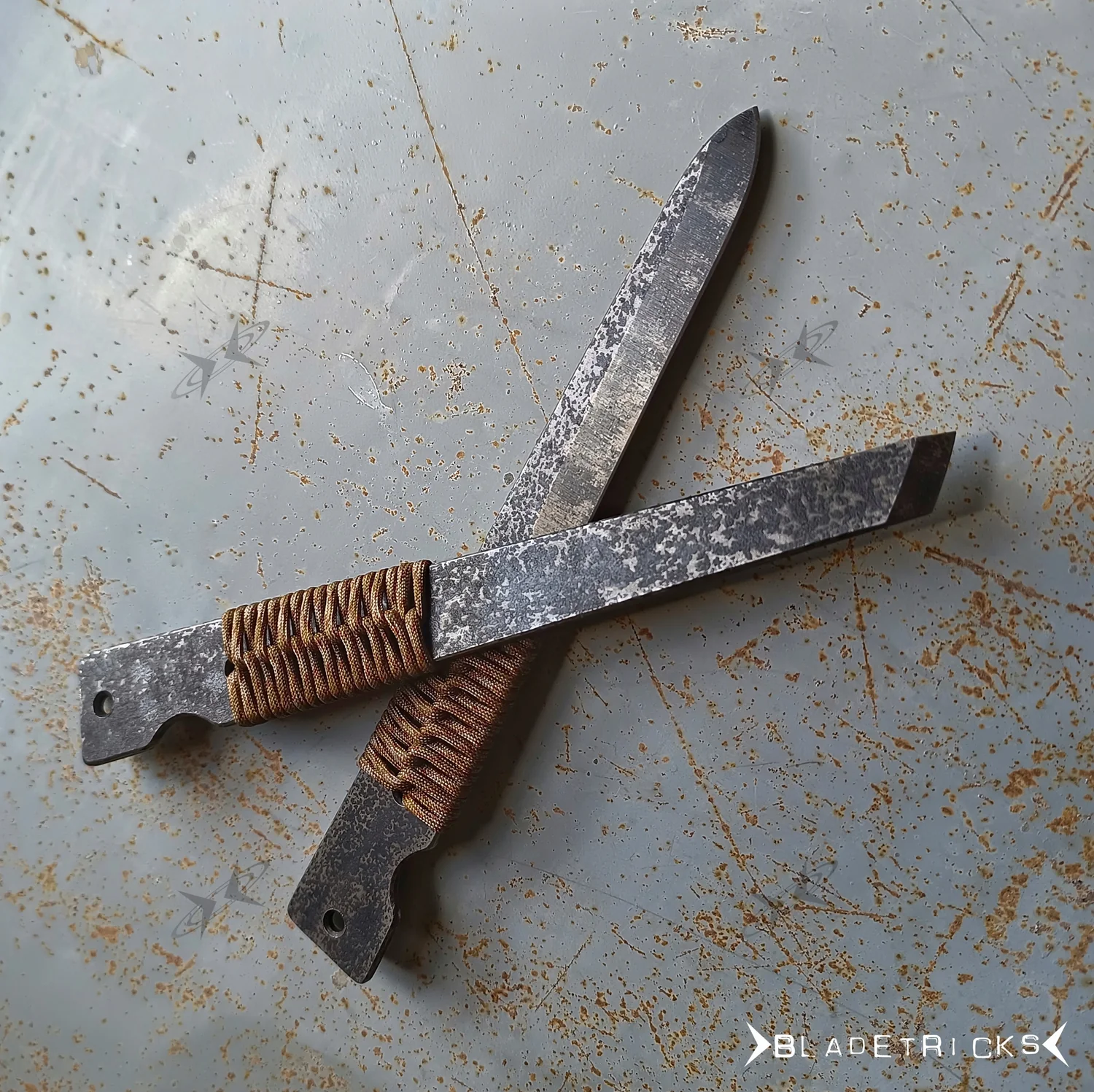
    For centuries, the kiridashi has been a staple of Japanese craftsmanship: a small, chisel-ground utility blade designed for precision cutting. Traditionally used by artisans, woodworkers, and even schoolchildren for everyday tasks, this unassuming tool has stood the test of time due to its efficiency and simplicity.
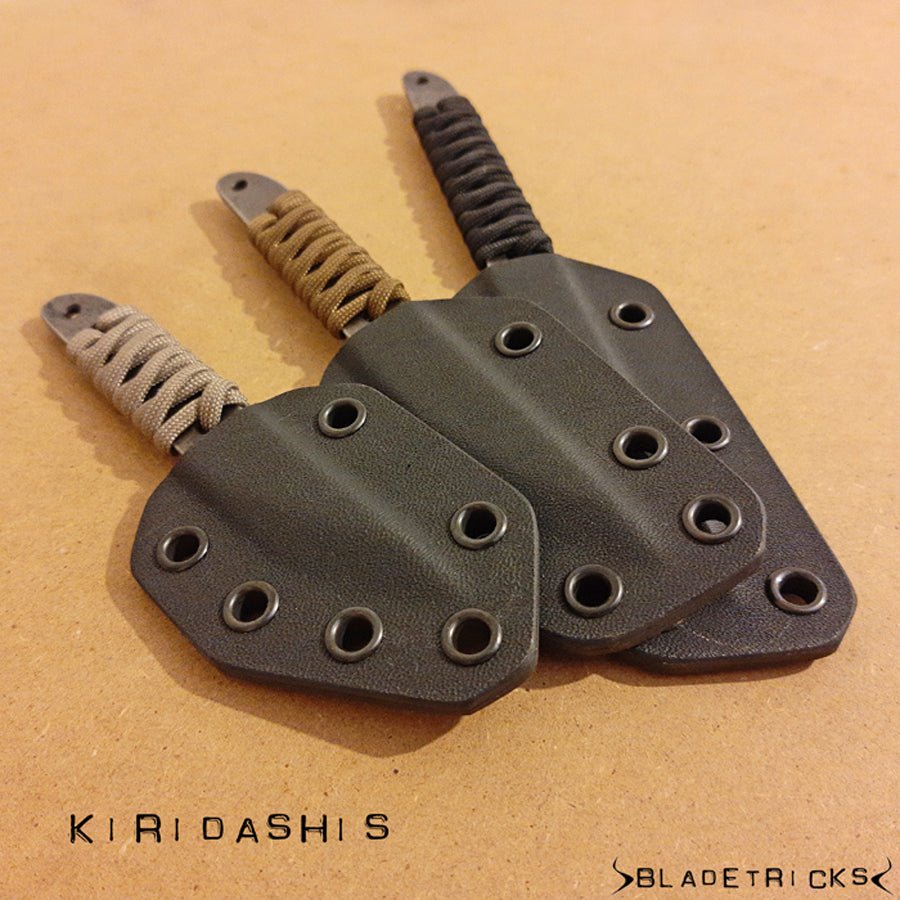
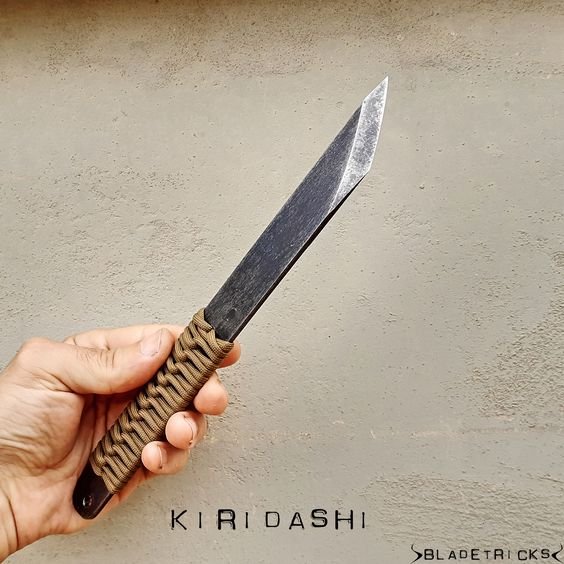
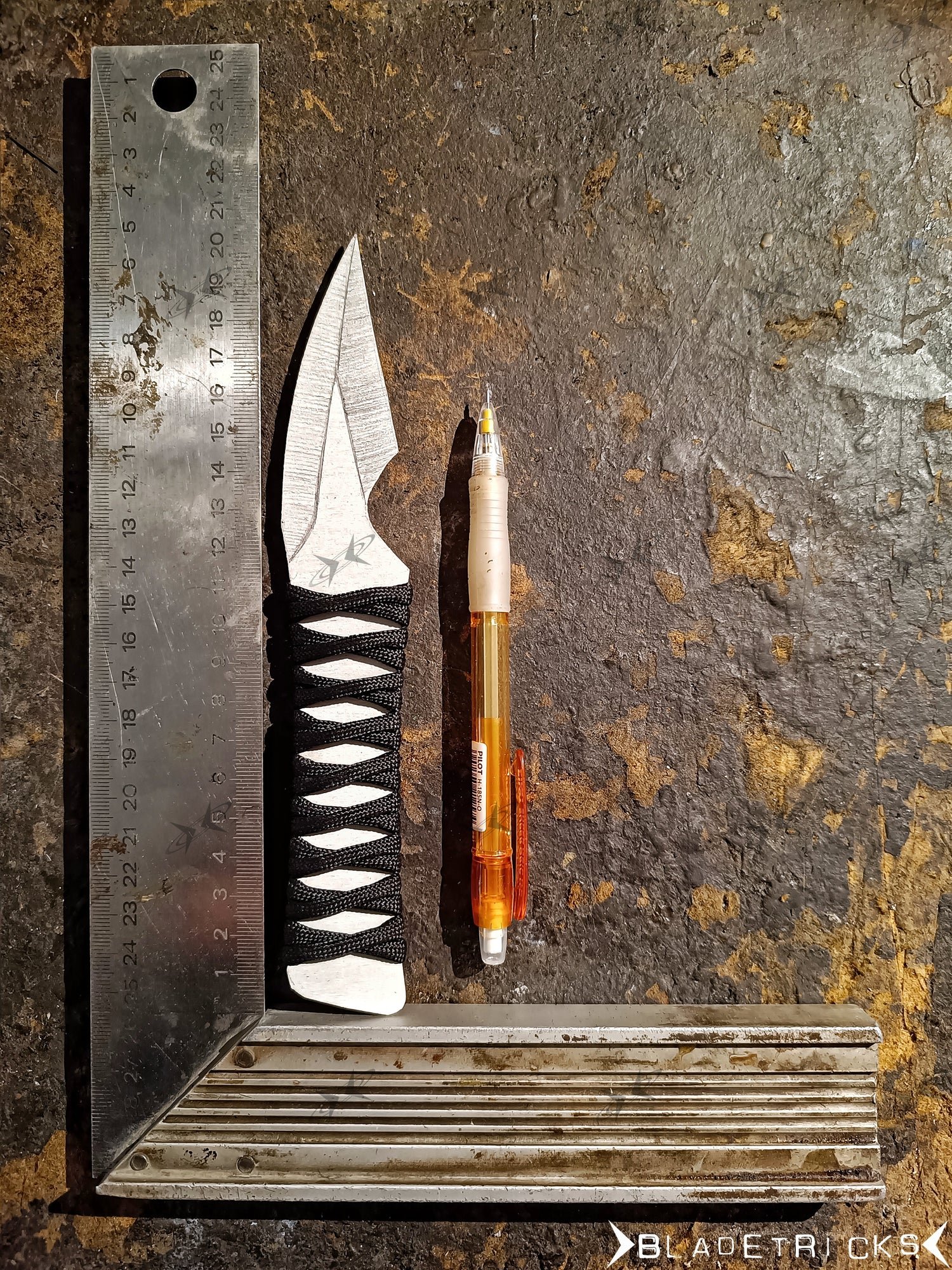
    In 2011, I crafted my own take on the kiridashi, keeping its essence intact while making it rugged enough for modern use. Now, I’ve revisited that design with a minimalist approach, refining it down to the essentials. The Bladetricks Mini Kiri is compact, versatile, and built for those who appreciate sharp, functional tools without unnecessary bulk.
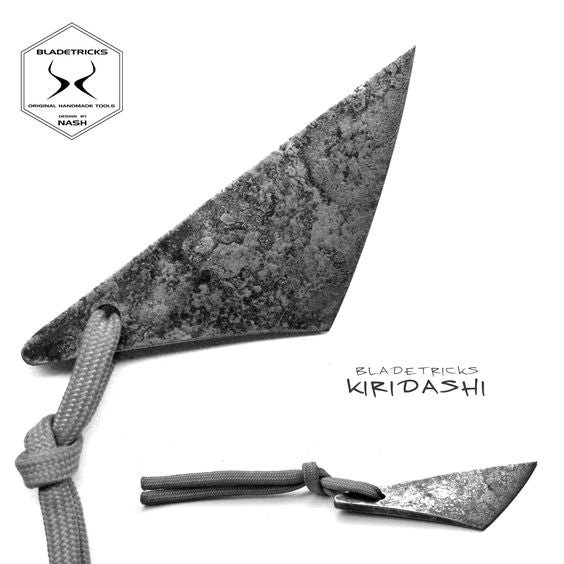
    What Makes the Kiridashi Unique?
    Unlike Western-style knives, the kiridashi typically features a single-bevel chisel grind, allowing for exceptionally fine cuts and controlled precision. This makes it an ideal tool for everything from opening packages to detailed crafting work.

    Why a Minimalist Kiridashi?
    I’ve stripped the design down to its core: no embellishments, no excess weight, just a sharp, practical blade that fits seamlessly into your everyday carry setup. The included Kydex sheath allows for multiple carry options, whether in your pocket, on your keychain, or as a neck knife.

    A Blade for Everyday Life
    Whether you need a precise cutting tool for work, a discreet EDC option, or simply appreciate the history of well-made blades, the Mini Kiridashi delivers. Handmade in my workshop, this limited batch won’t last long.

    A Modern Take on a Timeless Blade
    The kiridashi has been around for centuries, and while tools evolve, the need for a reliable, sharp cutting instrument remains the same. My minimalist Mini Kiri (dashi) is my way of honoring that tradition while making it accessible for today’s users.

     Available now in limited quantities. Get yours before they’re gone.


    (All my knives can be customized to tailor customer’s needs)
  • A CALCULATED MOVE: STAINLESS STEELS AT BLADETRICKS

    A CALCULATED MOVE: STAINLESS STEELS AT BLADETRICKS

    Choosing a steel for a blade is not an exercise in romanticism. It’s a calculated, cold decision based on one simple question: will it perform as required?

    For me, that question generally begins with toughness. A blade that cannot withstand real-world use is a liability. After a long, cautious, and practical selection process, the answer led to the first of a few new materials now being used for some of my blades: 14C28N Sandvik and AEB-L steel.

    While we still love traditional carbon alloys and their merits, they demand a certain reverence and constant care to avoid the rust which is their inevitable destiny. The singular advantage of a good stainless steel is its indifference to such concerns. It provides a level of corrosion resistance that frees the user from the constant worry of maintenance. This fundamental practicality is why we have made the decision to begin using it.

    In an industry obsessed with the latest “supersteel,” Bladetricks has remained loyal to its principles of offering affordable and practical tools. These two steels, while distinct, are nearly identical in their shared purpose and impressive performance. They are not a flamboyant choice but a pragmatic one.

    Two Steels for the Same Purpose

    There’s a common, and often expensive, misunderstanding that every blade requires a mythical, flawless alloy. The truth is, a truly great steel is a well-balanced one, and both 14C28N and AEB-L epitomize this. Their value lies in a toughness that is both deliberate and professional. They possess an excellent ability to take and hold a very fine edge, a crucial property for any tool meant for serious cutting, but they do so without becoming brittle.

    Because of this practical parity, I’ll likely be using them indifferently across some of my new models. A customer can be assured that a blade made from either material is a tool built on the same foundation of unwavering toughness.

    The Slight Differences

    While they perform to the same standard in practice, it’s worth noting the minor differences between the two. In a purely technical sense, 14C28N ishould be slightly tougher. This makes it marginally more resilient against stress and hard impacts. It also should be more stainless, which can be an advantage for those who require a tool for use in wet or humid environments.

    These aren’t dramatic, life-altering differences, but subtle details that speak to the specific engineering behind each alloy. The choice wasn’t about aesthetics or trends, but about function, a core tenet of the Bladetricks philosophy. What we prioritize is a sensible balance of toughness, edge retention, and corrosion resistance, along with availability, affordability, and ease of work for the maker. These steels simply work, and work well, and this dedication to performance is how I consistently try to offer a better product and experience to my customers.

  • THE BLADETRICKS URBAN KIRIDASHI: A CONCEPT REFINED OVER A DECADE, NOW JOINED BY THE COMPACT PRY KNIFE

    THE BLADETRICKS URBAN KIRIDASHI: A CONCEPT REFINED OVER A DECADE, NOW JOINED BY THE COMPACT PRY KNIFE

    The journey for what would become the Urban Kiridashi began over a decade ago, in 2011. It wasn’t born from a typical design brief but from a very specific challenge presented by a special forces unit. My task was to create a knife for a fighter who, until then, had never integrated a blade into his essential gear, never carried one on his tactical vest or on his belt.

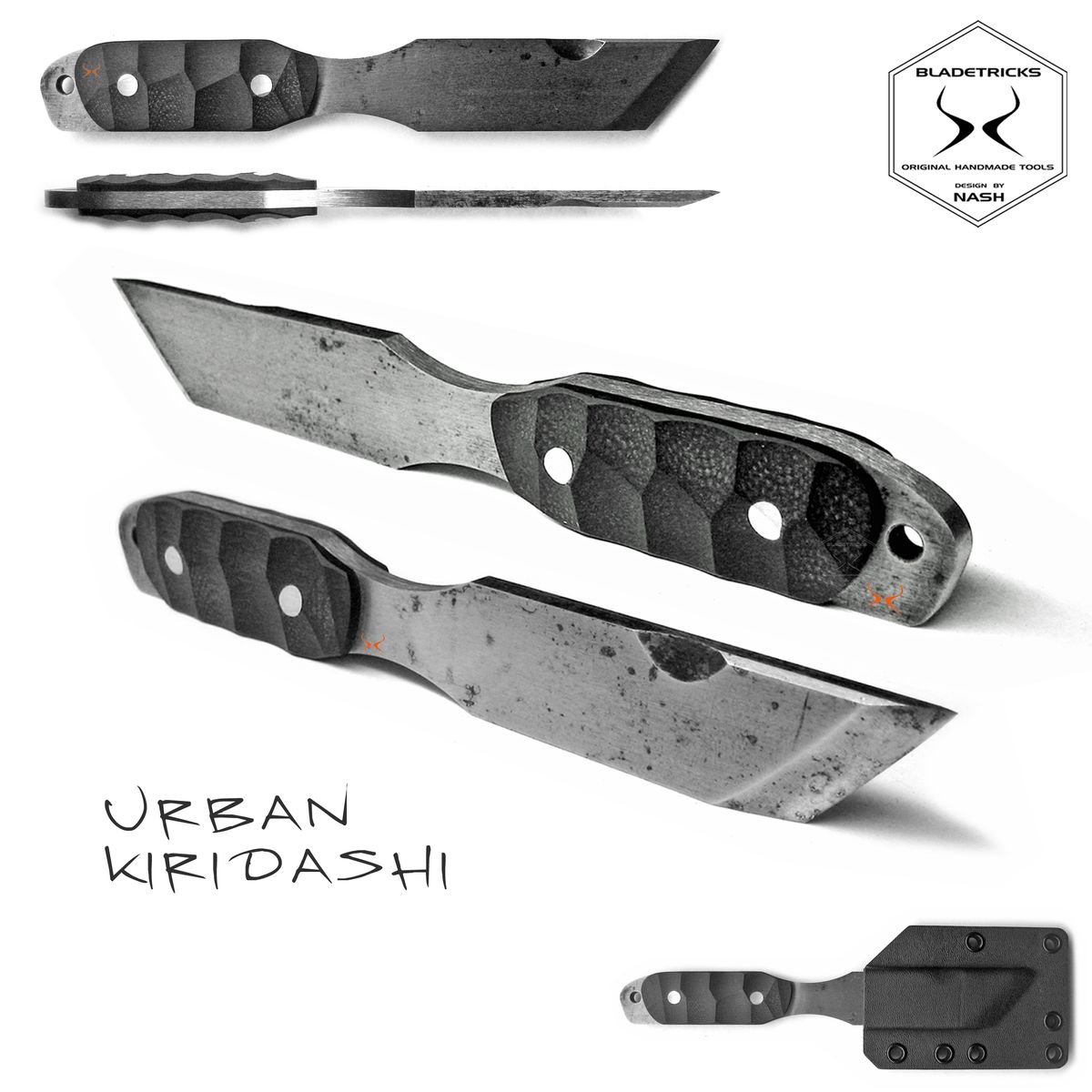
    This wasn’t about conventional combat. My objective was to craft “a knife for someone who never carried a knife before, who never used a tactical knife before, who never fought with a knife before.” This demanded a tool engineered for inherent safety and profound versatility. The initial result was a unique kind of kiridashi. It featured a short, chisel-ground blade, purposefully set far from the operator’s hand for safety. Its sharp edge and exceptionally strong tip were dual-purposed, ready for both cutting and prying. The handle was elongated, with generous finger and palm grooves, ensuring a secure grip that felt intuitive in any position. This became the Bladetricks Urban Kiridashi:

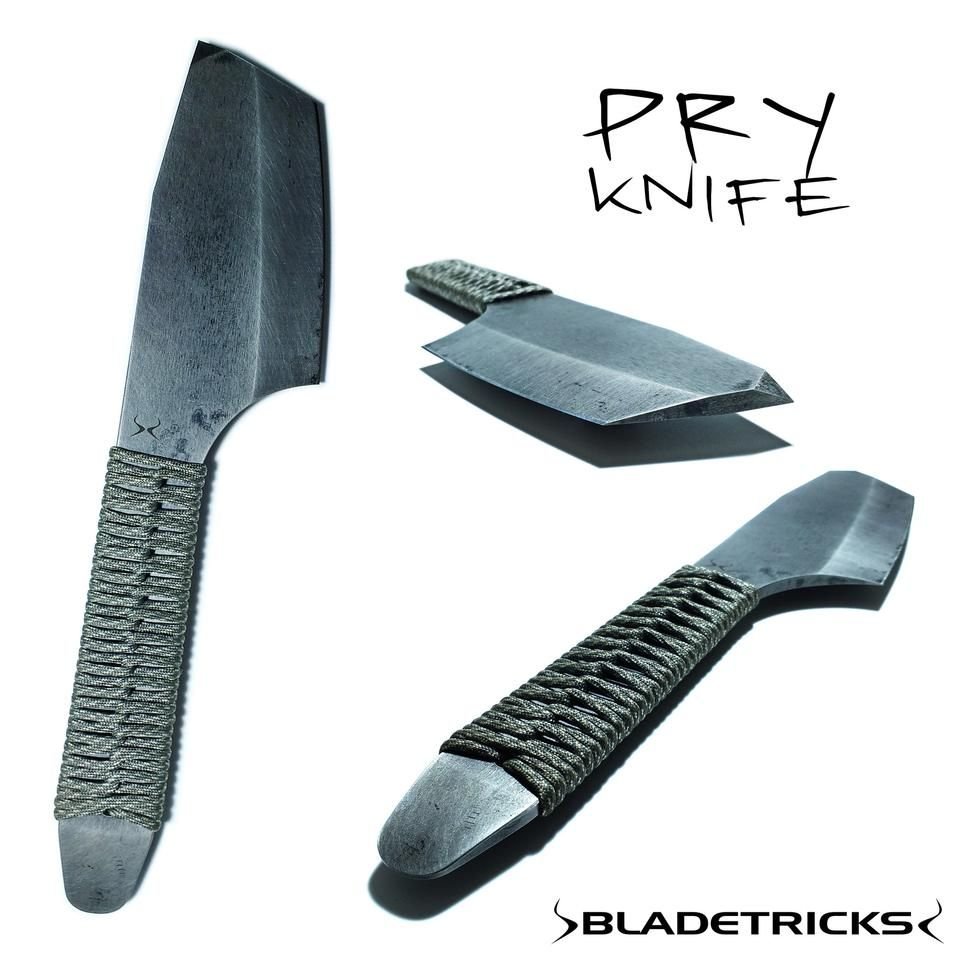
    For years, that concept resonated. At Bladetricks, the principle of evolution is foundational to my work. I revisited the Urban Kiridashi with a clear goal: to make it tougher starting with a comprehensive redesign of its handle. This process, taking over a decade to fully realize its next phase of evolution, led to an unexpected convergence. As I refined the Urban Kiridashi, another older Bladetricks project, the Bladetricks Pry Knife, resurfaced in my mind. 

    The desire to enhance the Kiridashi’s robustness aligned perfectly with the fundamental utility of a dedicated pry tool. The result of this intensive, dual-track development process for 2025 is not just one, but two distinct and highly evolved tools:

    1. The Gen2 Urban Kiridashi: This is the direct descendant, retaining the original’s groundbreaking safety and versatility but now significantly tougher with its redesigned handle. It continues its legacy as a unique, non-intimidating, yet highly capable tactical instrument:
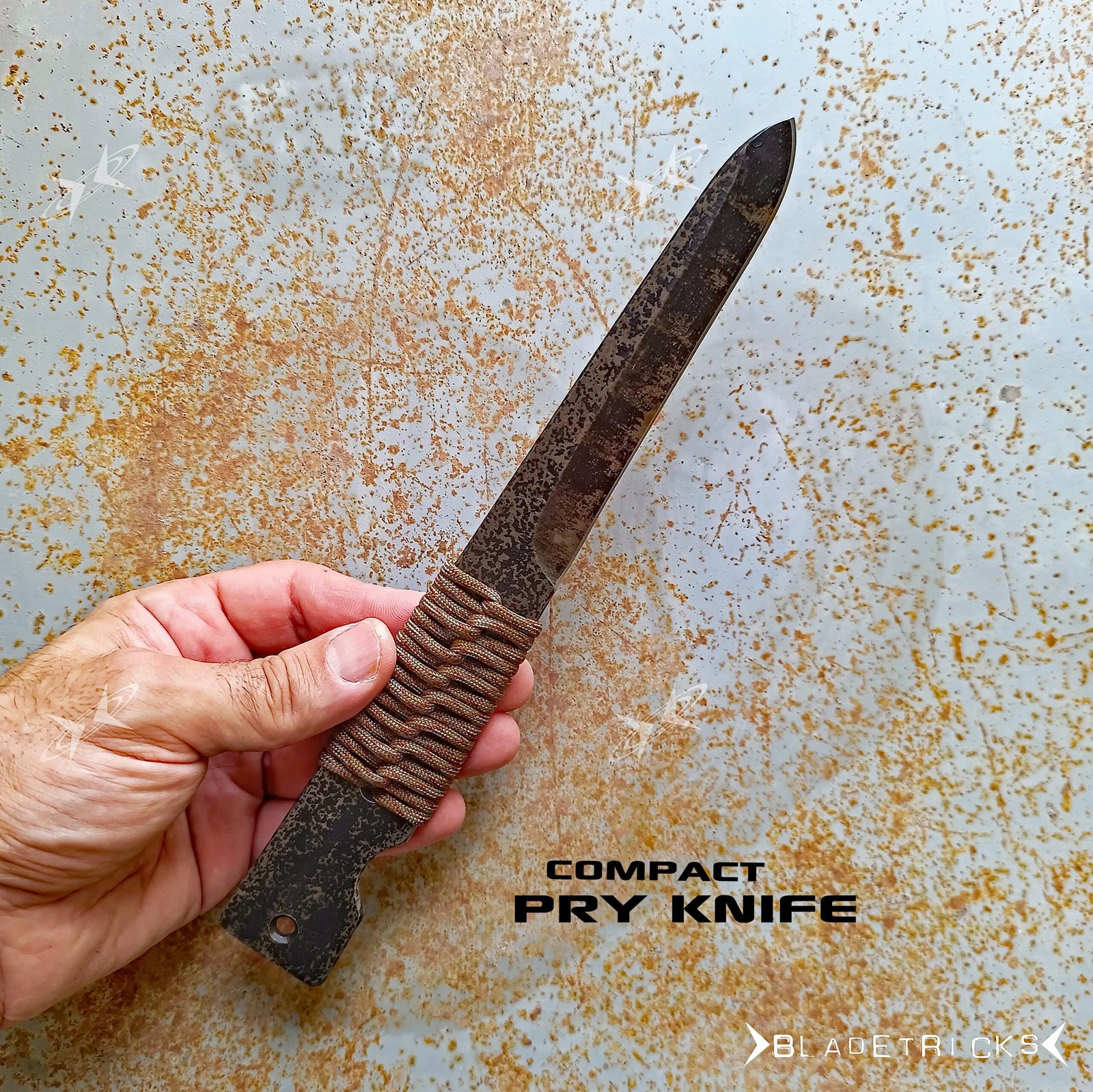
    2. The Compact Pry Knife: Born from the desire for pure robust utility, this is a very simple knife with an exceptionally long cutting edge, a sturdy blade, and a robust tip—a compact and dedicated hard-use tool, directly inspired by the original Pry Knife concept:

    These new tools represent not just an upgrade but a testament to continuous refinement, practical application, and a decade-long commitment to making capable, reliable tools for demanding users.

  • DOMESTIC AND BRUTAL: THE BLADETRICKS PIZZABIT

    DOMESTIC AND BRUTAL: THE BLADETRICKS PIZZABIT

    The best test of a design philosophy occurs when it is asked to challenge its very purpose. The idea of applying a brutal geometry to a purely domestic tool sat in my workshop for years. A client’s specific request for a tactical pizza cutter finally gave me the operational green light to execute the concept.

    The result is The Bladetricks Pizzabit: a specialized cutting instrument that I see not as a novelty, but as a commitment to design.

    Execution and the Dominant Grip

    Its structure is built around the reverse grip—a stance chosen because it’s inherently efficient for gaining control. This structure doesn’t just let the user drive substantial downward force, which is exactly how this tool performs; it also results in an ergonomic grip that feels natural and comfortable.

    Ulu knife pizza cutter prototype

    Its functional, curved cutting edge, featuring a long blade, and its characteristic, calculated geometry bring to mind the effectiveness of the ancient Ulu knife, but with a different mission. The Pizzabit makes sure force drives straight down, enabling a consistent, deep rocking motion for a strong, clean cut.

    buy custom ulu knife

    The Essential Material

    Material selection is a calculated part of the process. For a tool that demands reliability, I make a cold decision. For the Pizzabit, built for an environment where corrosion resistance and low maintenance are key, I chose AEB-L stainless steel.

    This steel perfectly balances toughness, edge retention, and the cleaning requirements of a culinary setting, delivering top performance without compromise. The AEB-L blanks are precision-cut using a waterjet process, supplied by the professionals at New Jersey Steel Baron—the quality foundation I require.

    Bladetricks New Jersey Steel Baron pizza cutter

    My selection standards are always high; to better understand why AEB-L is the base material I use, check my previous analysis on stainless steel selection.

    The Blade Finish

    I hold a foundational belief: A tool shouldn’t be polished and has to be used. I generally avoid mirror finishes and high-gloss aesthetics in favor of a look that speaks to purpose. The Pizzabit’s blade reflects this philosophy.

    Hand brushed knife finish

    I manually hand-sanded and hand-brush the steel. This process gives the blade a functional, matte look that is both natural and instantly recognizable as handmade. The result is a deliberate invitation: it is a blade meant to be picked up, used, and integrated into your daily life.

    Tactical Lineage and Finish

    The Pizzabit’s connection to my tactical work is more than deliberate. The handle uses my typical Bladetricks hand sculpted black G10 handle scales to guarantee a secure, positive grip.

    hand sculpted knife handle G10

    This connection is completed with the custom Kydex sheath that comes with it.

    The Bladetricks Pizzabit is not a tool to be hidden away. It is the product of precise execution and a demanding philosophy. It belongs on the countertop, visible, ominous, awesome, and always ready for action.

    best pizza cutter
  • TACTICAL GRIP, KITCHEN EDGE

    TACTICAL GRIP, KITCHEN EDGE

    I don’t separate design from function, regardless of the environment. A knife is a tool built for a specific job. This is one of the core principles of Bladetricks.

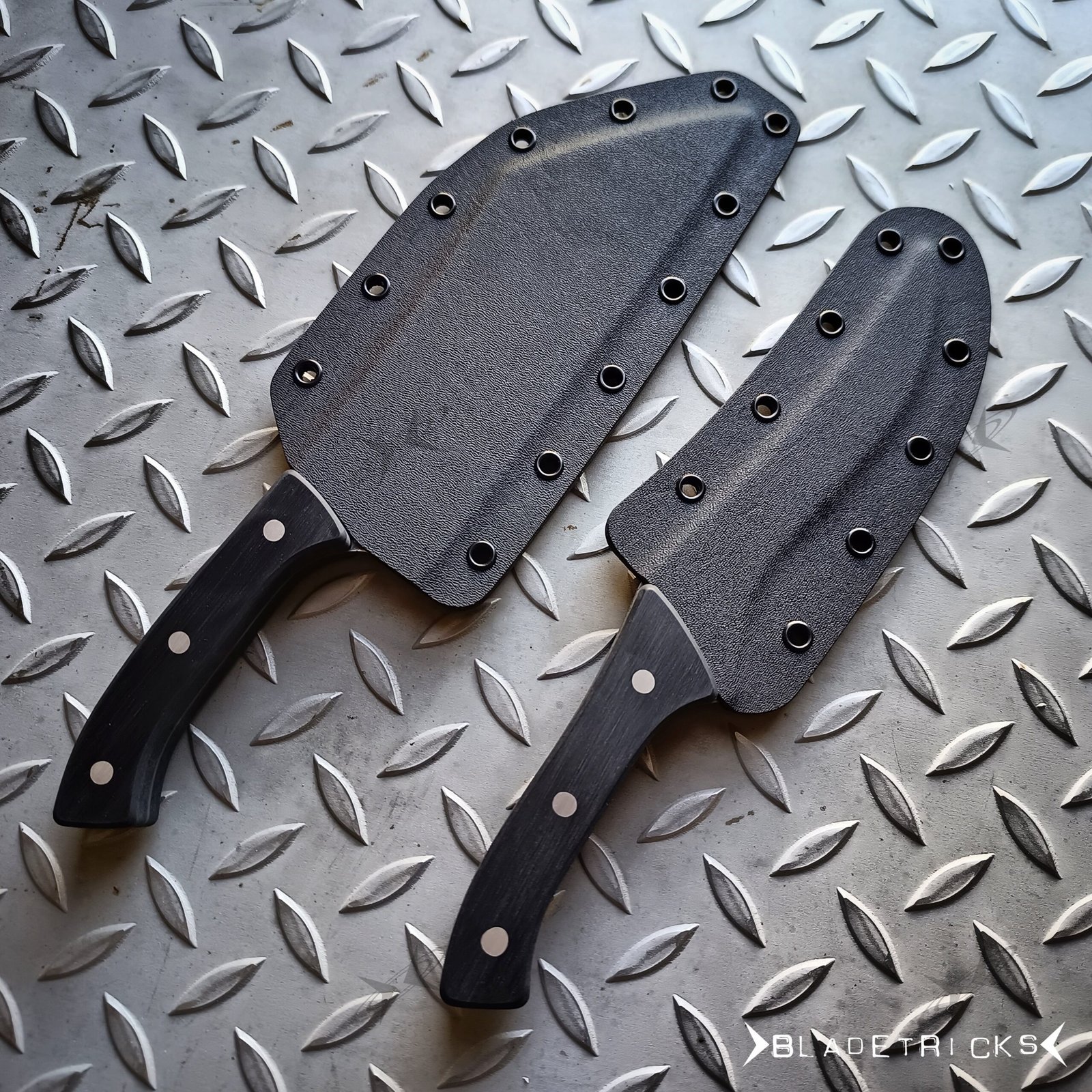
    The challenge this time was unique (at least for me): two custom chef knives: a thin cleaver and a boning knife, requested by another loyal customer. These are the first two chef knives ever made by Bladetricks and this immediately set the parameters for the entire project, forcing design decisions that prioritize performance in the kitchen.

    THE COMPLETE DEMAND
    The client provided a set of functional parameters that dictated every step of the design: stainless steel, affordability, a thin profile, easy-maintenance handle material, and the use of my standard tactical grinding geometry, a feature he was already accustomed to.

    FROM TACTICAL GRIP TO KITCHEN ERGONOMICS
    The client’s list included one crucial ergonomic requirement: apply the profile of a tactical fixed blade (The custom Parks double edge karambit) to these new kitchen knives. The reason was simple: the client had already tested the grip on a previous custom knife I made for him and found it comfortable and ergonomic for his hand. I kept the design intact, ensuring the grip’s stability and control translated directly to the kitchen setting.

    THE STAINLESS STEEL NECESSITY
    The overall design required light, agile tools, and high longevity, which I achieved with a thin 2mm stock. This agility, combined with the demand for longevity, forced the definitive move into stainless steels.

    To achieve superior edge retention and maintain a good price point, I used 14C28N stock. This is where the tactical mindset meets the kitchen: the alloy offers high toughness. Critically, it delivers superior corrosion resistance. This is not about flair; it is a pragmatic choice that frees the user from constant maintenance worries.

    PRECISION CUTTING AND TACTICAL ROOTS
    Both the cleaver and the boning knife feature a functional chisel grind, built for maximizing slicing performance. This is the same geometry I employ on the vast majority of my tactical knives. I complemented this with a secondary micro bevel on the flat side. This is design focused on extreme sharpness and clean cuts.

    For the handles, the priority was simplicity, durability, and affordability. I chose black Delrin, a reliable material that delivers a secure grip without unnecessary complexity and is highly resistant to the demanding environment of a professional kitchen.

    Finally, I made two custom Kydex sheaths. This feature is a direct homage to the tactical roots of Bladetricks and its fixed-blade origins. It ensures safe transport and provides a clear, strong visual contrast.

    These two knives demonstrate that every choice, from handle material to steel thickness, is a cold, functional decision for pure performance in the kitchen.

  • THE NOSAF RAAL KNIFE: FROM CUSTOM REQUEST TO CRITICAL TOOL

    THE NOSAF RAAL KNIFE: FROM CUSTOM REQUEST TO CRITICAL TOOL

    I will spend as much time as required to solve a problem that comes with tackling a new knife design. The Nosaf Raal Knife is a direct result. The demand was specific: take my aggressive Nosaf Raal Karambit and refine it into a pure, double-edged tactical knife. A dedicated client requested this model, and when a trusted client’s needs push the design envelope, I treat it as an opportunity to build a better tool.

    WHAT WAS THE CHALLENGE?

    To refine my aggressive Karambit geometry into a dedicated, pure double-edged tactical blade.

    PIKAL PERFORMANCE. SABRE VERSATILITY.

    This is a blade built for the Pikal technique (both reverse grip and edge up). The final balance is PERFECT (the customer’s own words, not mine). However, the new handle design (an optimized handle profile borrowed from the Kadesh dagger) transitions seamlessly to the traditional Sabre grip, offering full flexibility for dedicated and adaptable tactical use.

    CALCULATED DESIGN FOR CONCEALMENT

    I chose a 2mm thick stock for maximum simplicity, concealment and speed.

    I also made the calculated move to use stainless steel on this model. This choice isn’t for aesthetics, but for the fundamental practicality of corrosion resistance. You get absolute reliability and minimal maintenance, allowing you to focus on the critical tasks.

    The Nosaf Raal Knife is minimal design for maximum consequence. It’s a dedicated, double-edged problem solver.