
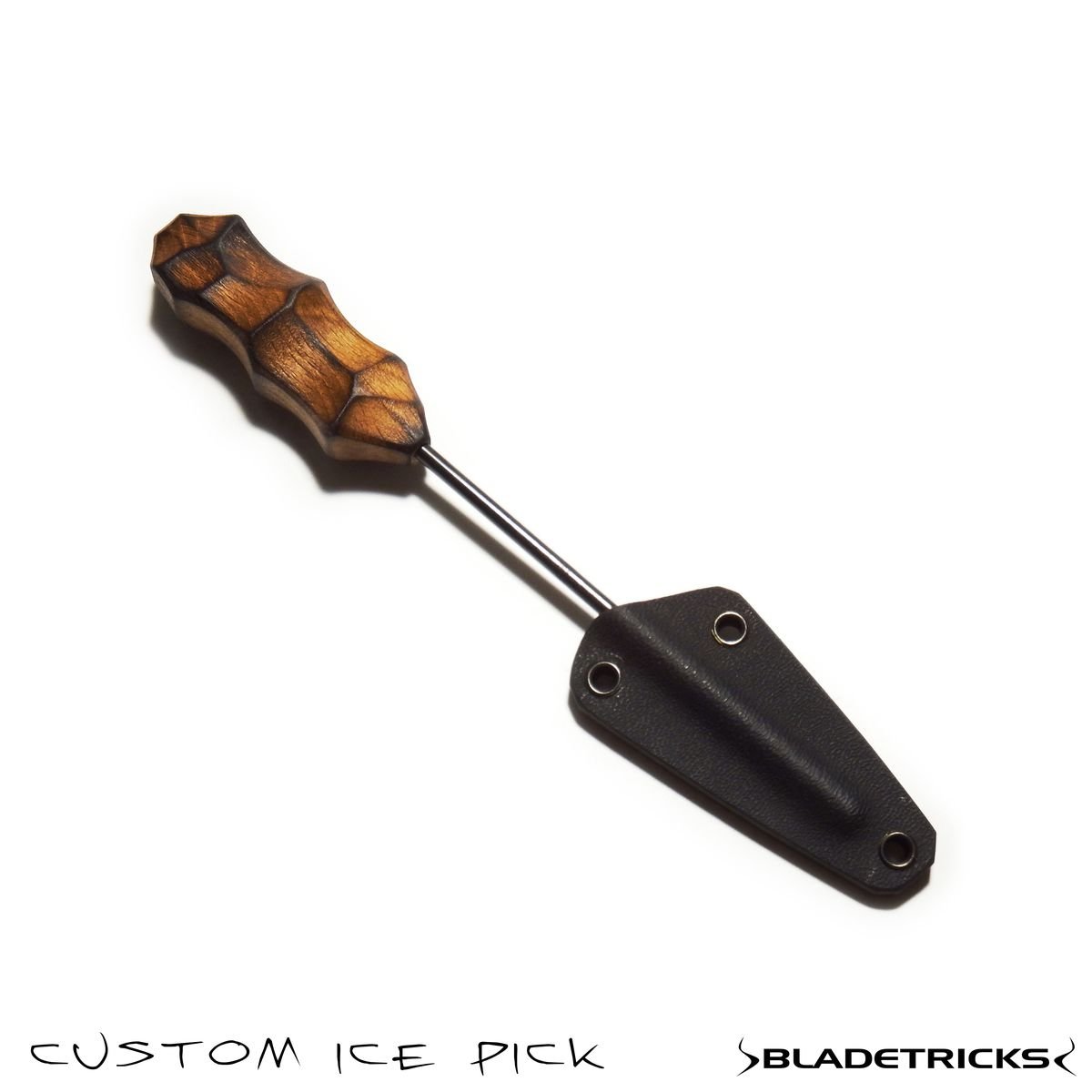
Tactical Icepick Design: The Bladetricks Approach to Simplicity and Performance
Every Bladetricks tactical icepick is built around a single truth: under extreme duress, simplicity is the only thing that doesn’t fail you.
I have spent equal time refining the Pikal — arguably the most efficient system for the trained professional — but a specialized blade is not the ideal solution for everyone. The icepick is. What most people don’t realize is that the two are not separate philosophies. They share the same foundation: the reverse grip, the same instinctive thrusting mechanics, and the same commitment to concealable, low-profile carry. If anything, the icepick is the primitive ancestor of what later became codified as Pikal — the same body logic, stripped to its most essential form, centuries before Filipino martial arts gave it a name. I have written about this in depth in my analysis of Pikal biomechanics and anatomy — if you are serious about understanding the reverse grip, that is where to start.
Both rely on gross motor movements. Both are thrust-dominant. Both are built for close-quarters encounters where fine motor skills have already degraded. The icepick simply removes every variable that could introduce failure. It requires no edge alignment, no mechanical setup, no rehearsed grip sequence. It mirrors the body’s most basic defensive instinct. That is not a limitation — it is the design.
A Concept Unchanged. An Execution Refined.
The icepick was not designed as a weapon. That is worth stating plainly, because it is precisely what makes it interesting.
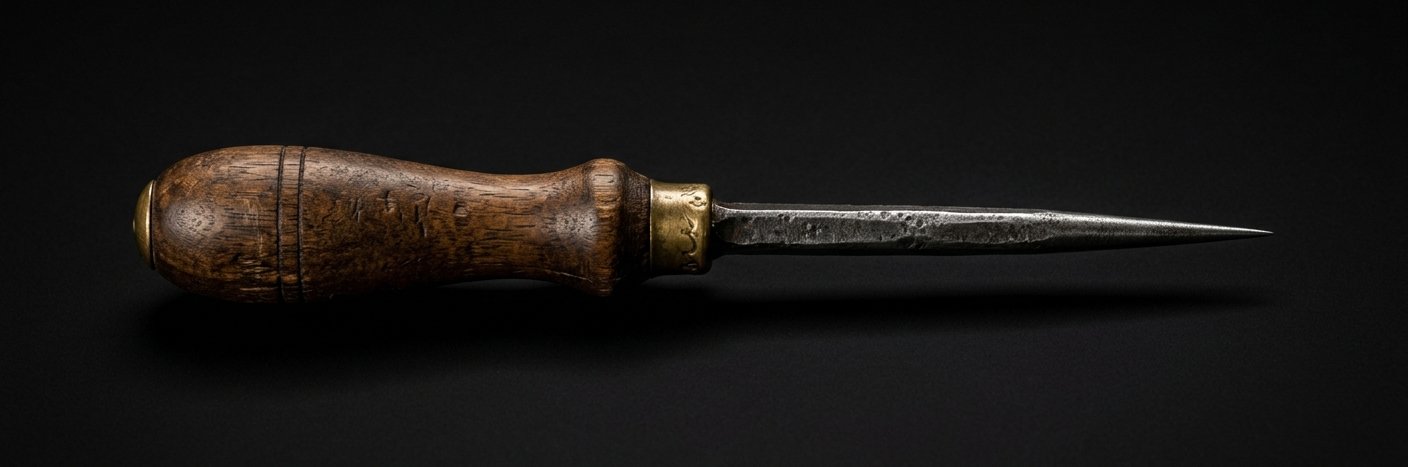
In the 1800s, before mechanical refrigeration, ice was harvested from frozen lakes and rivers, stored in insulated warehouses, and distributed to homes across the United States. The icepick was the domestic tool used to break and portion those blocks — a pointed metal spike on a wooden handle, unchanged in concept from the day it was made. When refrigeration rendered it obsolete in the kitchen, it did not disappear. It simply changed hands.
A single hardened point, aligned with the forearm, driven by the body’s most instinctive motion. The concept needed no revision. What it needed — and what over a decade of full-time making has been dedicated to — is an execution worthy of that concept.
The Historical Pedigree: Why the Icepick Has Always Worked
The icepick’s transition from domestic tool to weapon of choice required no modification whatsoever. That fact was not lost on professionals who understood what mattered in a close-quarters encounter.
Most notoriously, Murder Inc. — the enforcement arm of the National Crime Syndicate, active from 1929 to 1941 and believed responsible for up to 1,000 contract killings — made the icepick a signature instrument. Not because it was dramatic. Because it was silent, easily concealed, and required zero mechanical setup. Their most feared operator, Abe “Kid Twist” Reles, was reportedly so skilled with it that he could make victims appear to have died of natural causes. A brain hemorrhage, specifically. The medical examiners of 1930s Brooklyn were, on occasion, not looking for what they should have been looking for.
This was not aesthetics. It was a professional community’s cold conclusion that simplicity, concealment, and penetrating reliability outperformed complexity in every real-world scenario. Nobody handed Reles an instruction manual. Nobody needed to.
The Bladetricks icepick designs carry that same logic forward — stripped of ornamentation, optimized for the same purpose, and built for people who understand why that matters.
The Pikal Connection: One Grip, Two Expressions
The word Pikal comes from the Visayan dialect of the Philippines and literally means “to rip.” In the tribal fighting arts of the Philippines — specifically the Pekiti Tirsia system within Kali — it describes holding a knife in a reverse grip, also known as the icepick grip, with the edge inverted toward the user.
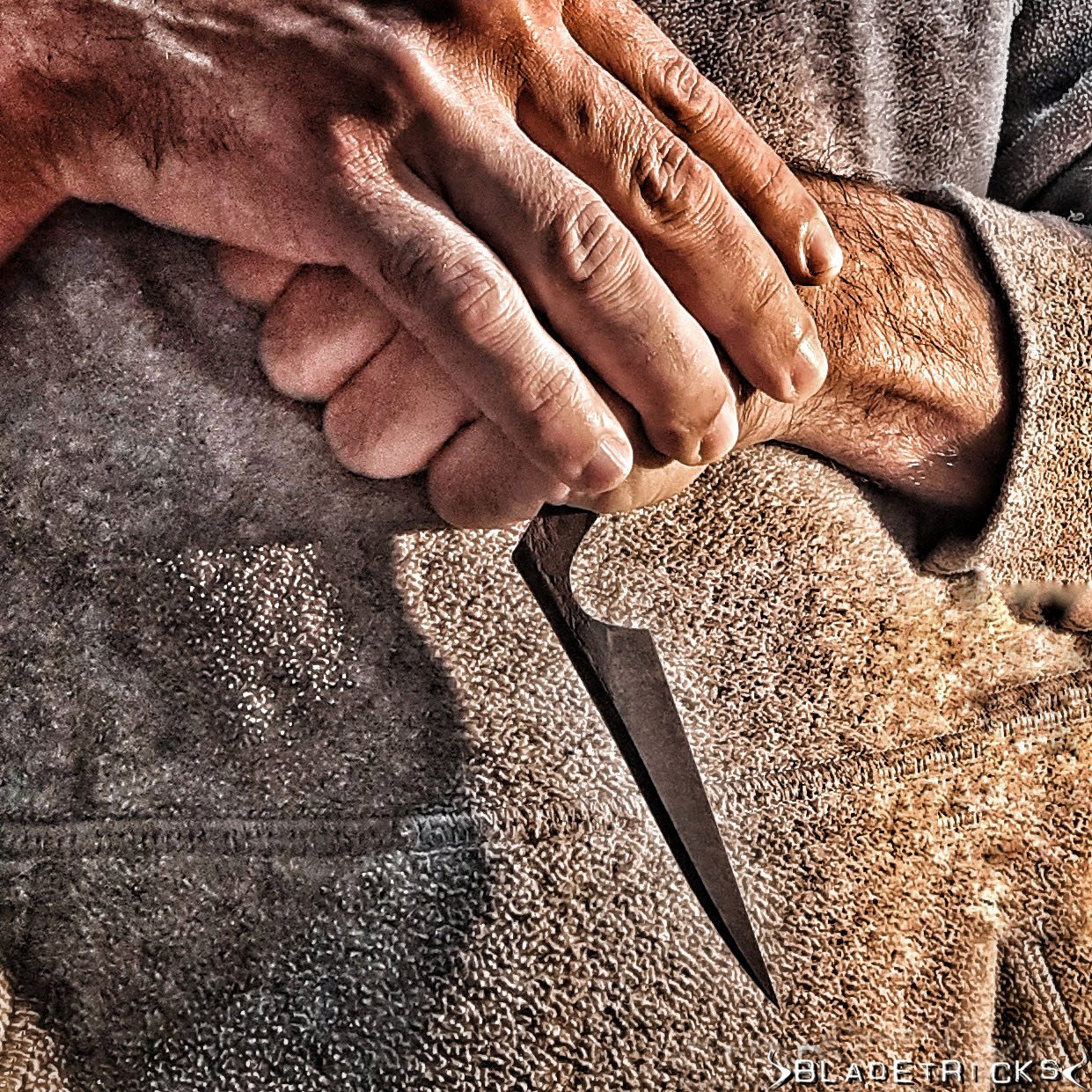
That detail is the one most people overlook: the icepick grip and the pakal grip are the same grip. The icepick predates the formalized Pikal system by centuries. It is the original expression of what Filipino martial arts later refined into a complete combat methodology — the same body mechanics, the same instinctive thrusting logic, the same gross motor reliance that holds up when the sympathetic nervous system has taken over and fine motor control is no longer a realistic expectation.
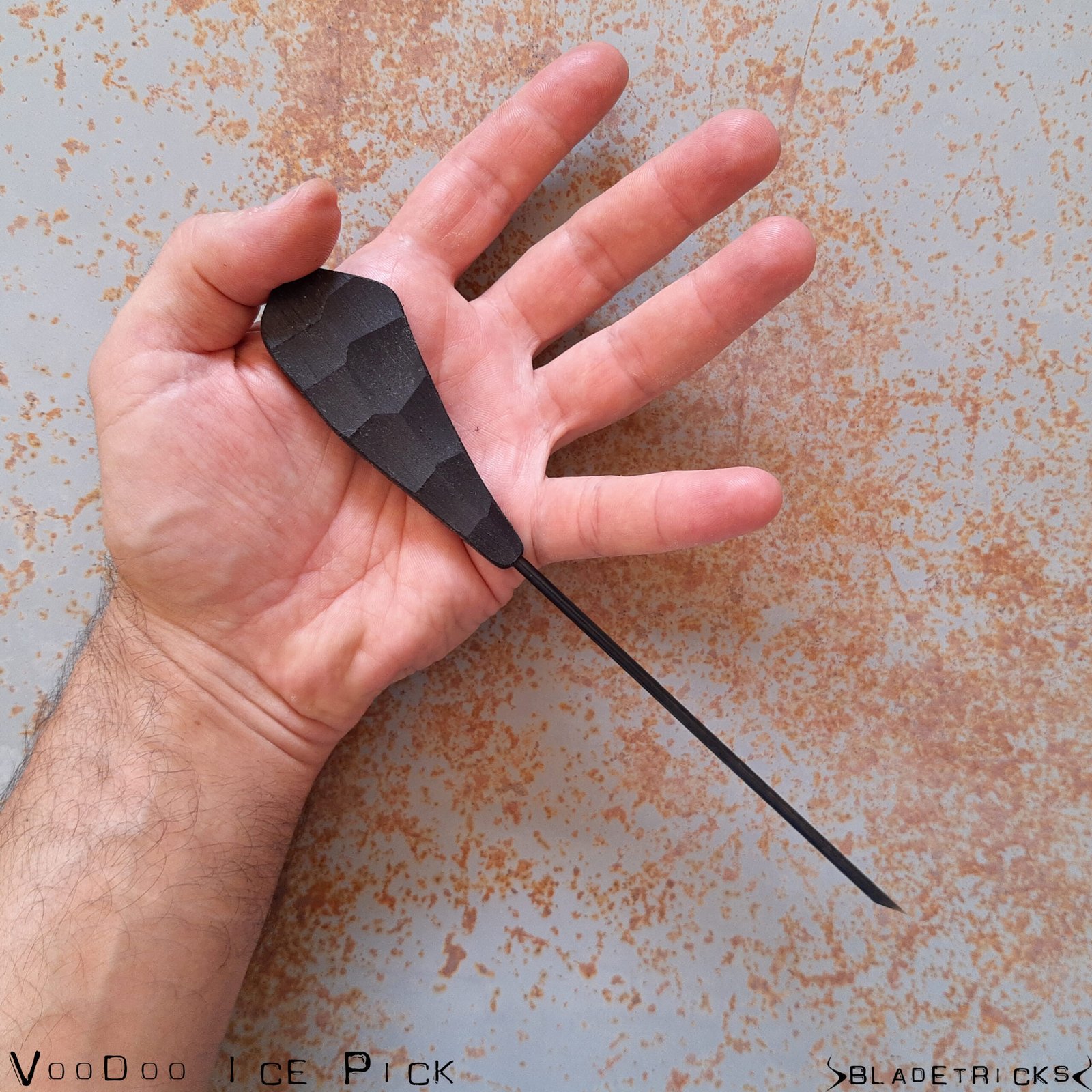
Both are thrust-dominant. Both are designed for close-quarters encounters. Both are built around the understanding that under life-threatening stress, the body will do what it knows how to do — and what it knows how to do is drive forward.
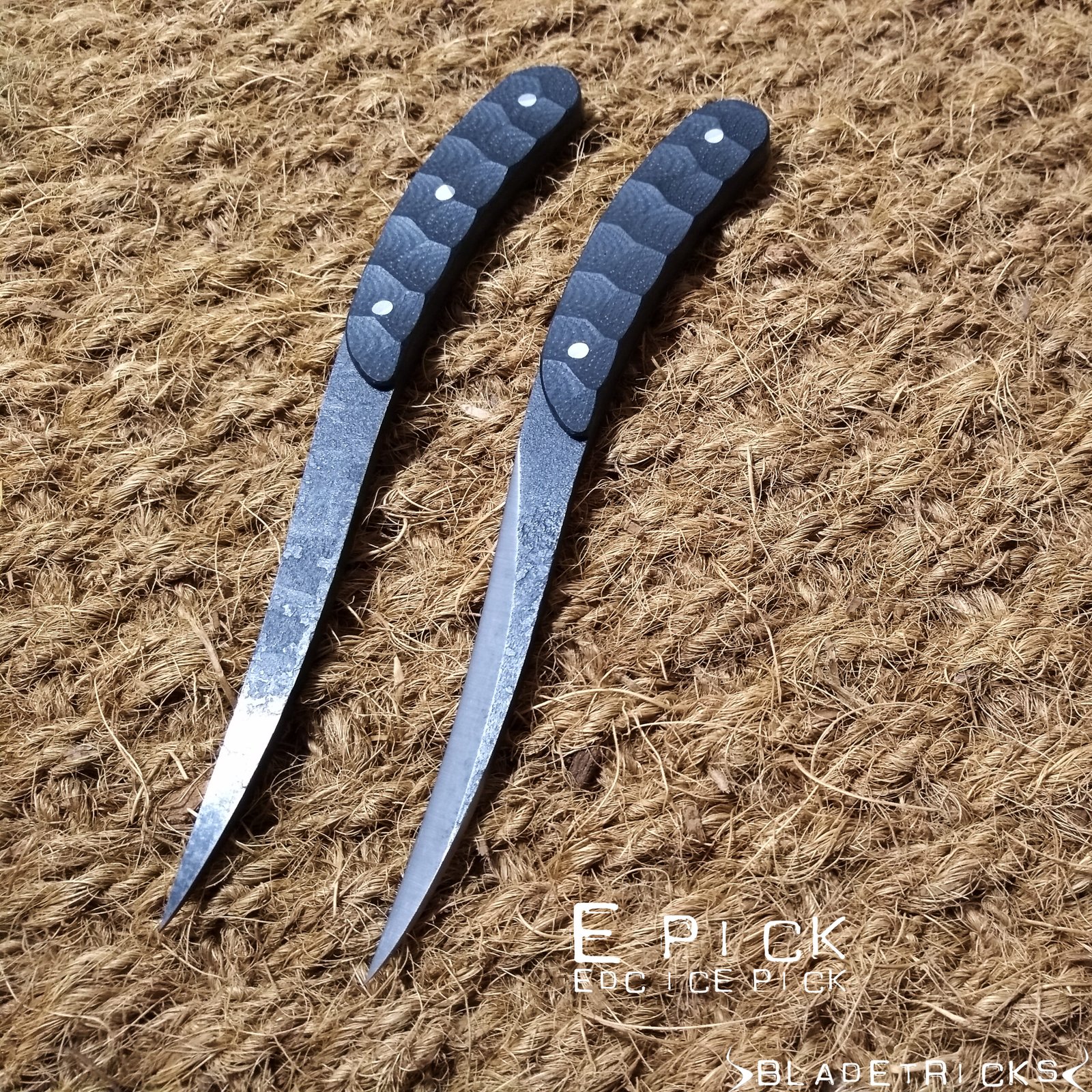
The Pikal adds an edge, a refined geometry, and a trained pulling mechanic. The icepick removes the edge entirely — and with it, every maintenance burden, legal complication, and training dependency. For the right user, that is not a downgrade. It is the point.
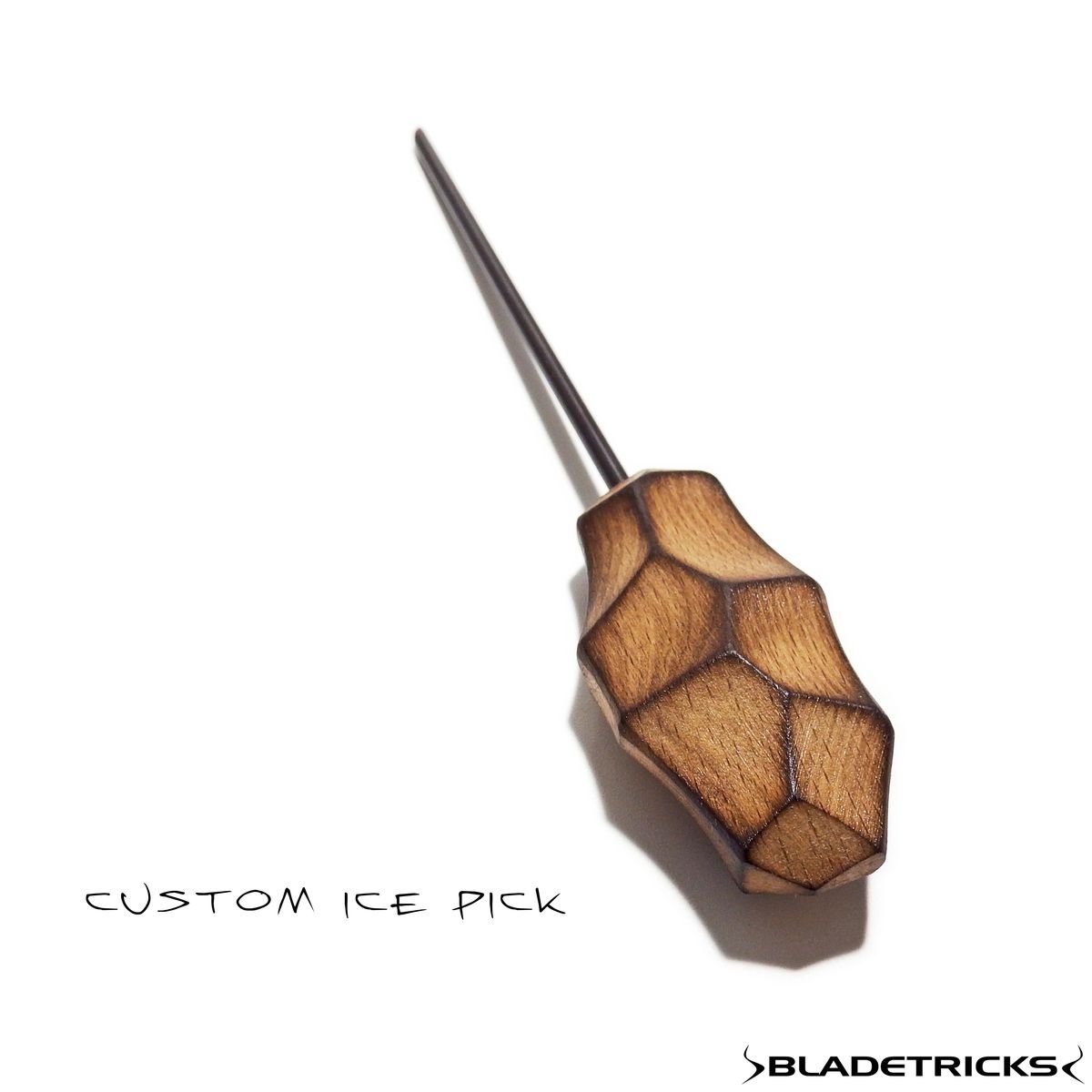
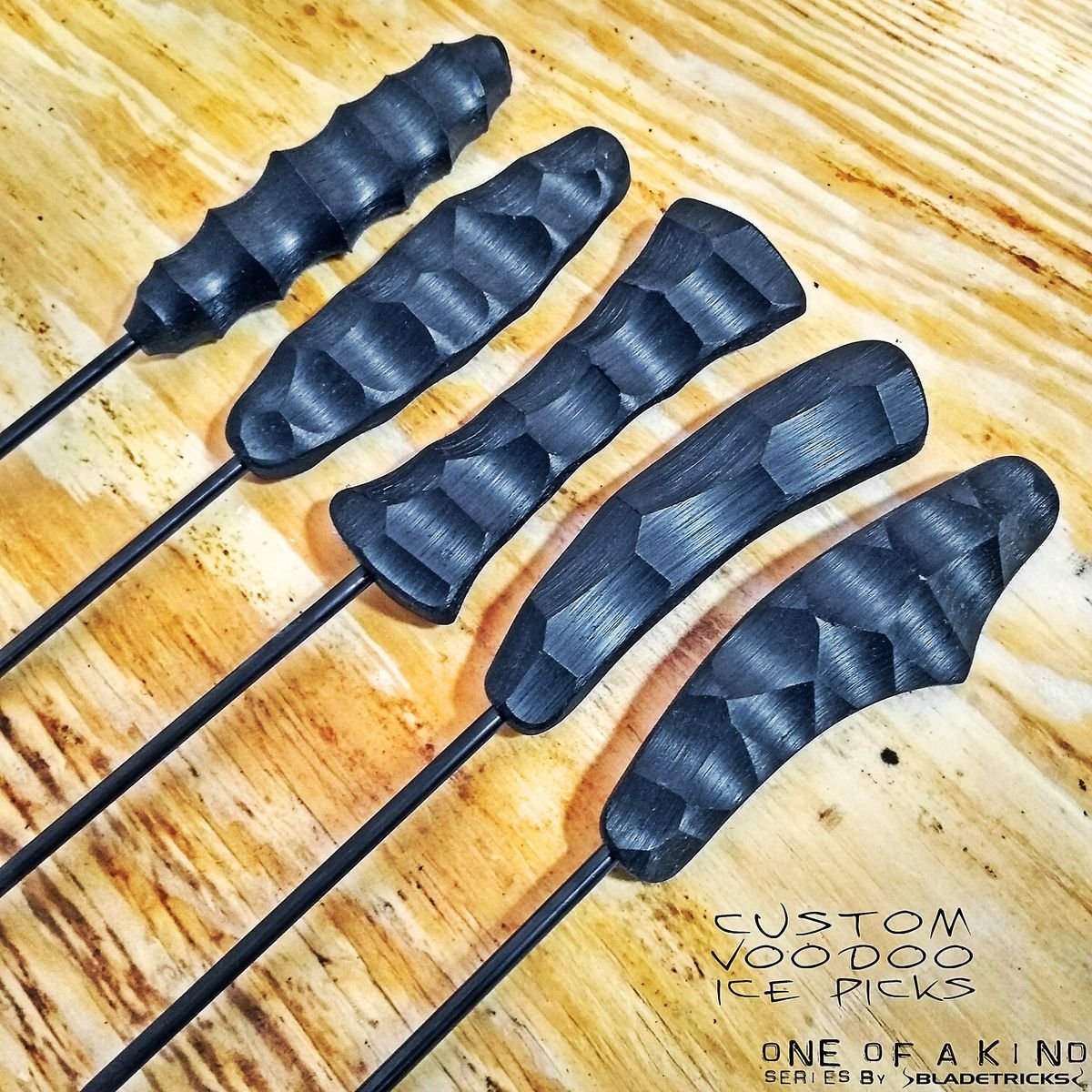
The Traditional Spike: Bladetricks Custom Voodoo Icepick Series
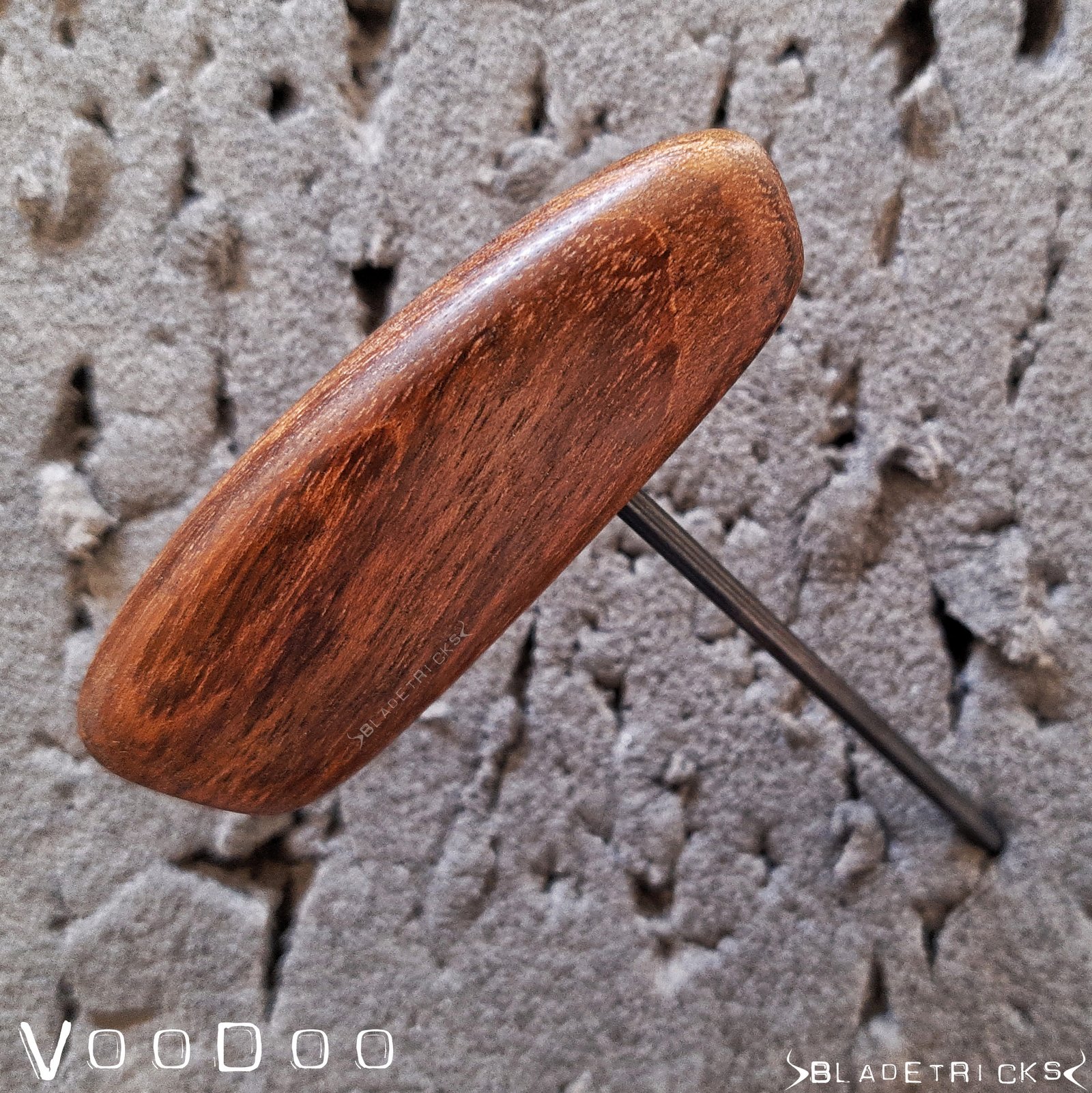
The Bladetricks lineup carries this lineage forward across several purpose-built designs: the Voodoo, the Epick, the Tusk, and the Tarantula Karambit Icepick. Each represents a specific application within the reverse-grip family — from the specialized reach of the Tusk Tarantula to the refined concealability of the Epick. No maintenance. No variables. No failure modes.
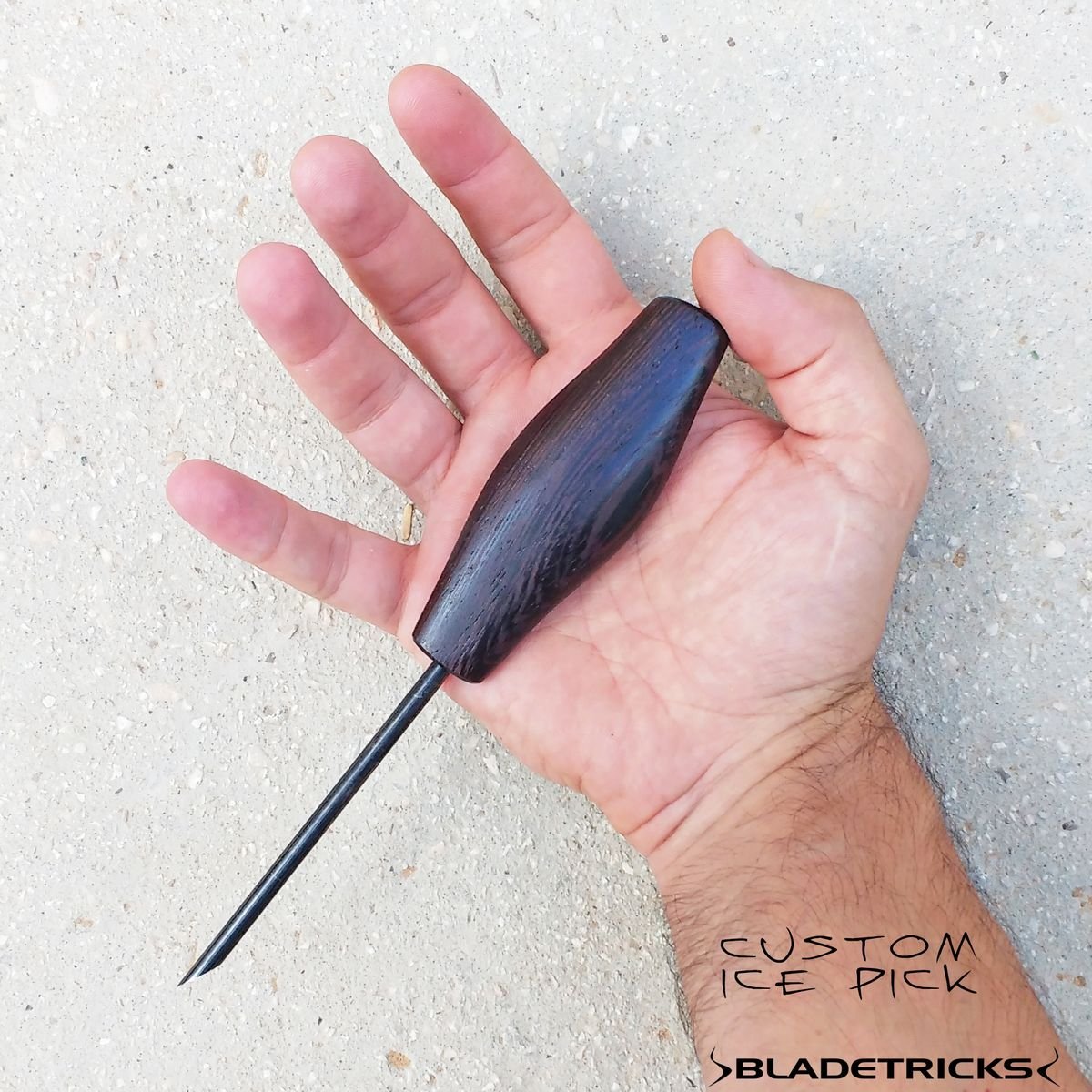
These are definitive last-ditch tools for both the trained professional and those new to defensive carry.
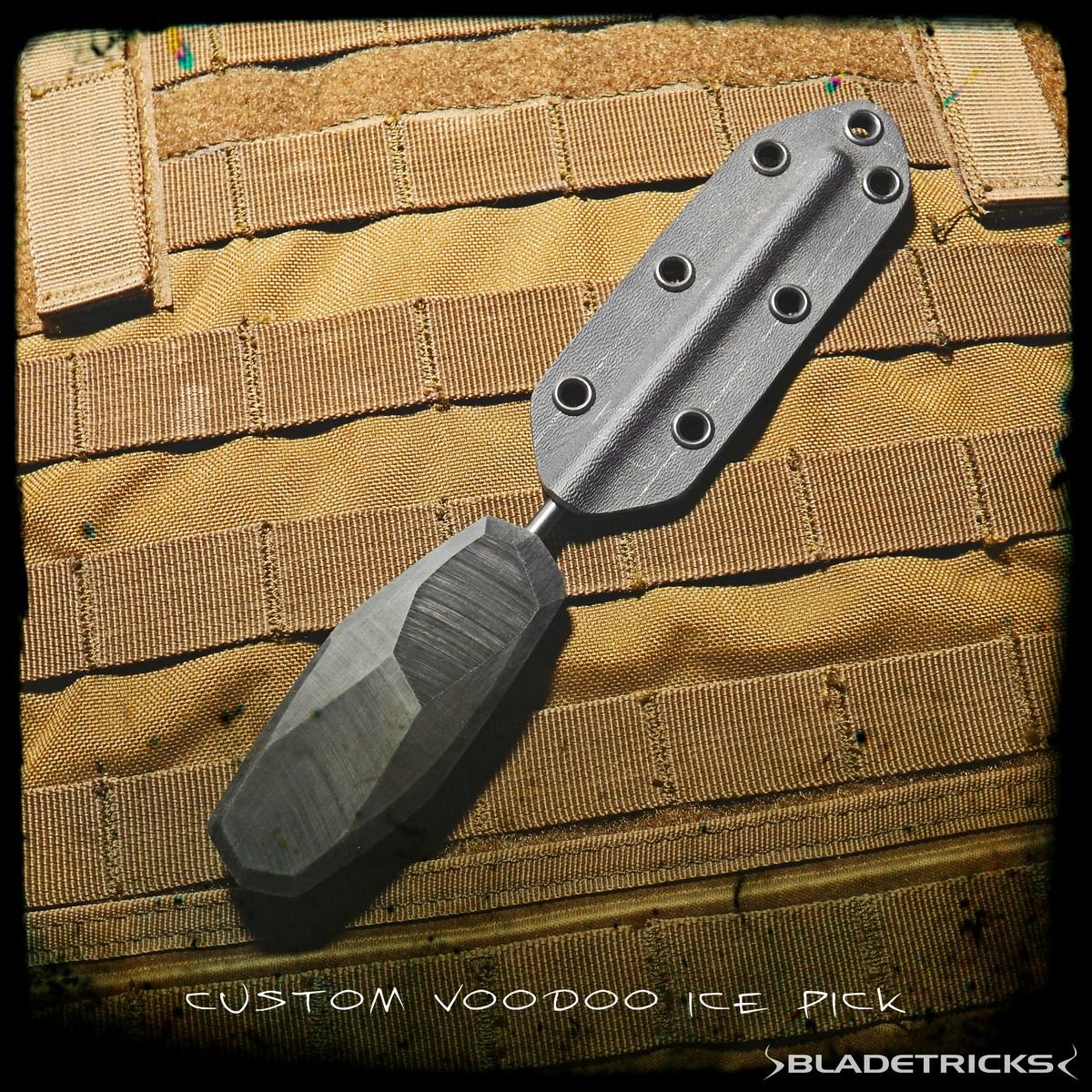
The Push Icepick: Power Through Structure
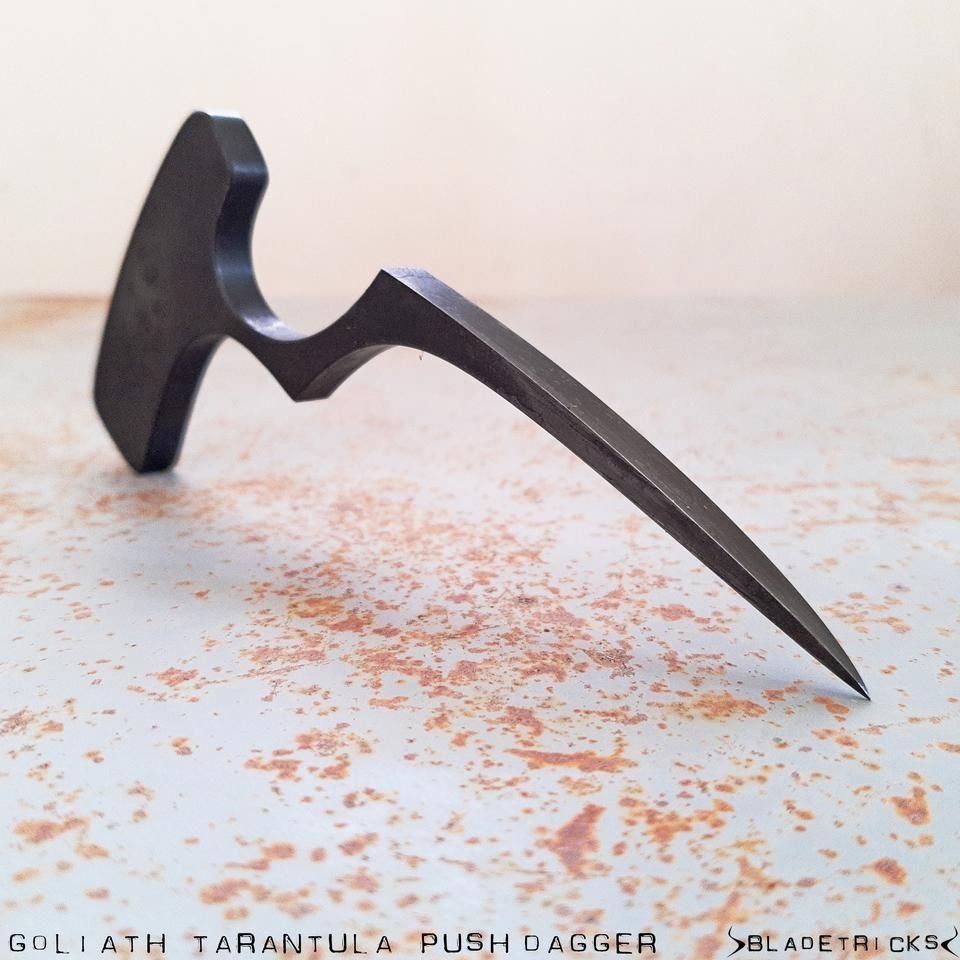
For those who prefer the ergonomics of a push dagger combined with the penetration of a spike, the Bladetricks Push Icepick family offers a distinct mechanical advantage. By aligning the spike with the forearm’s natural skeletal axis, these tools deliver power and retention that is extremely difficult to compromise.
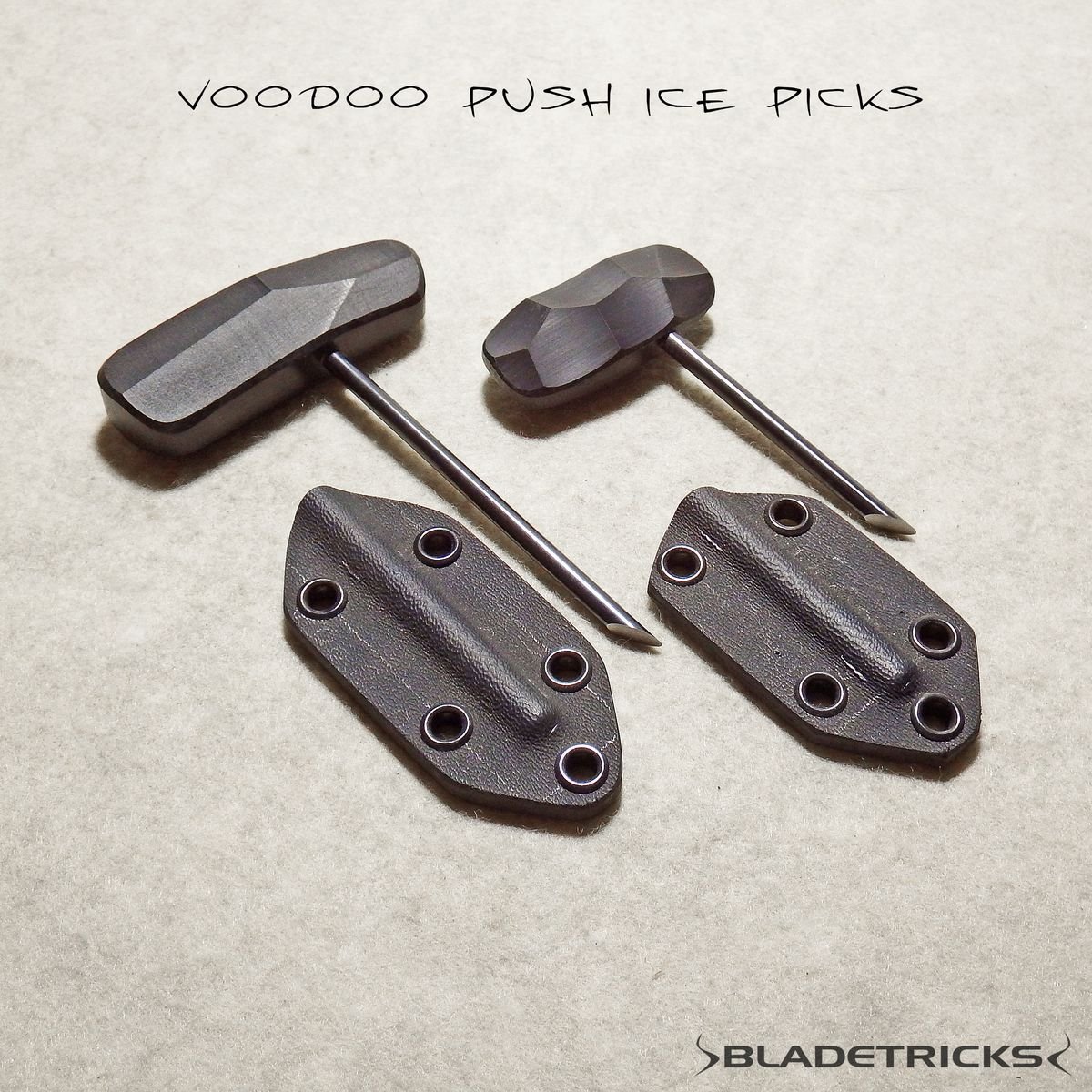
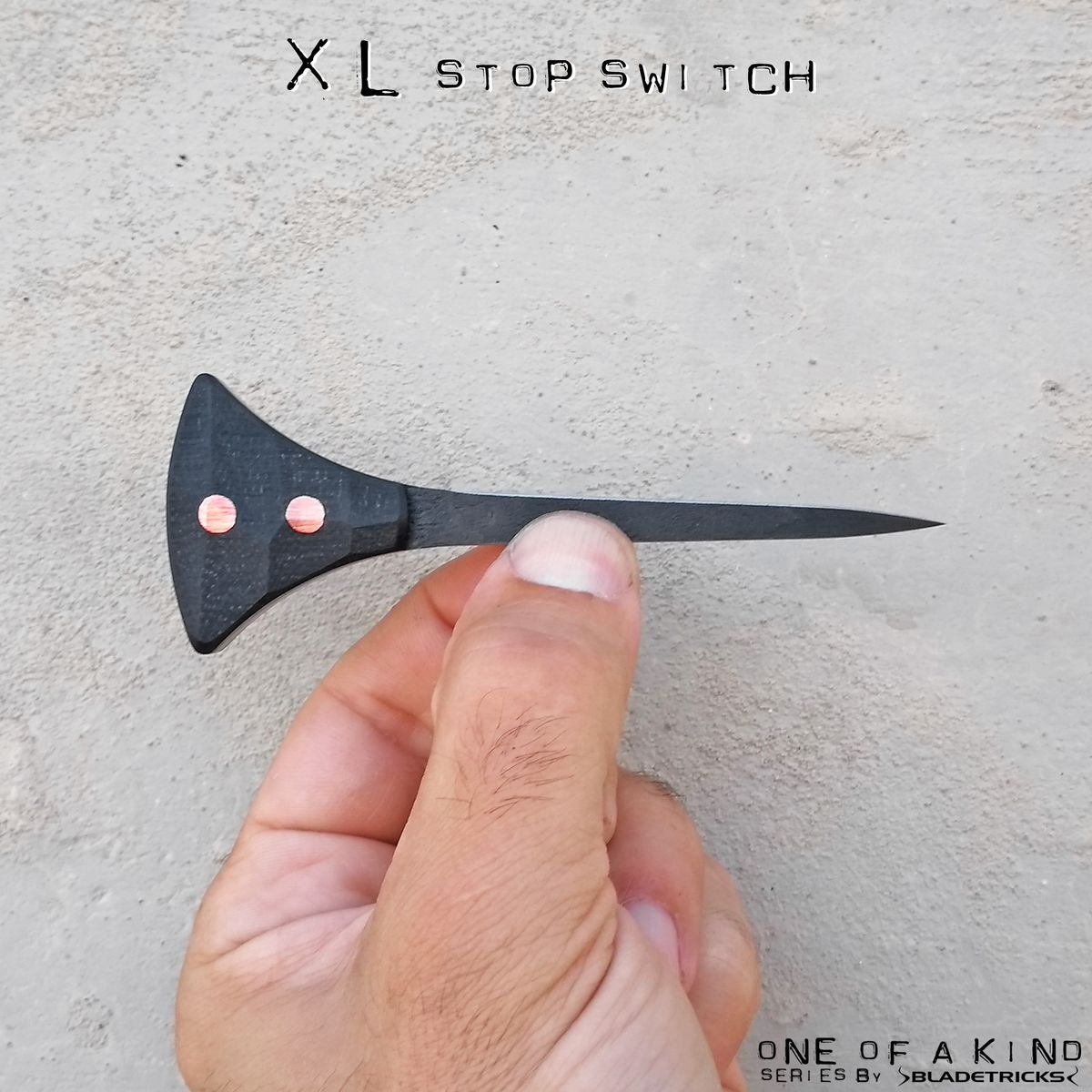
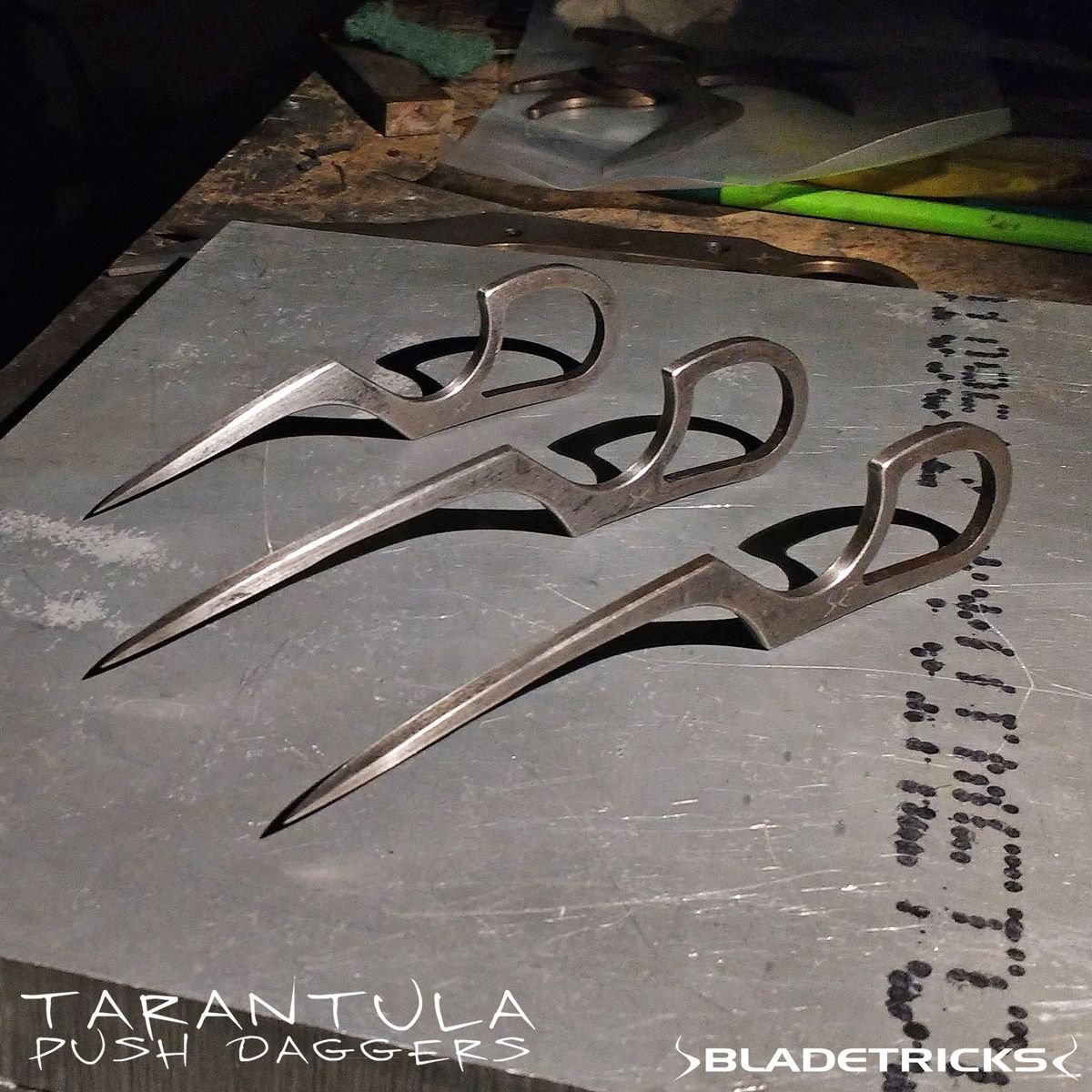
The family includes the Stop Switch, the Tarantula, the Goliath, and the Voodoo Push Icepick. They are all built as direct extensions of the fist — the most natural human movement becomes the most effective defensive motion.
Chisel Tip Geometry: A Technical Standard Worth Understanding
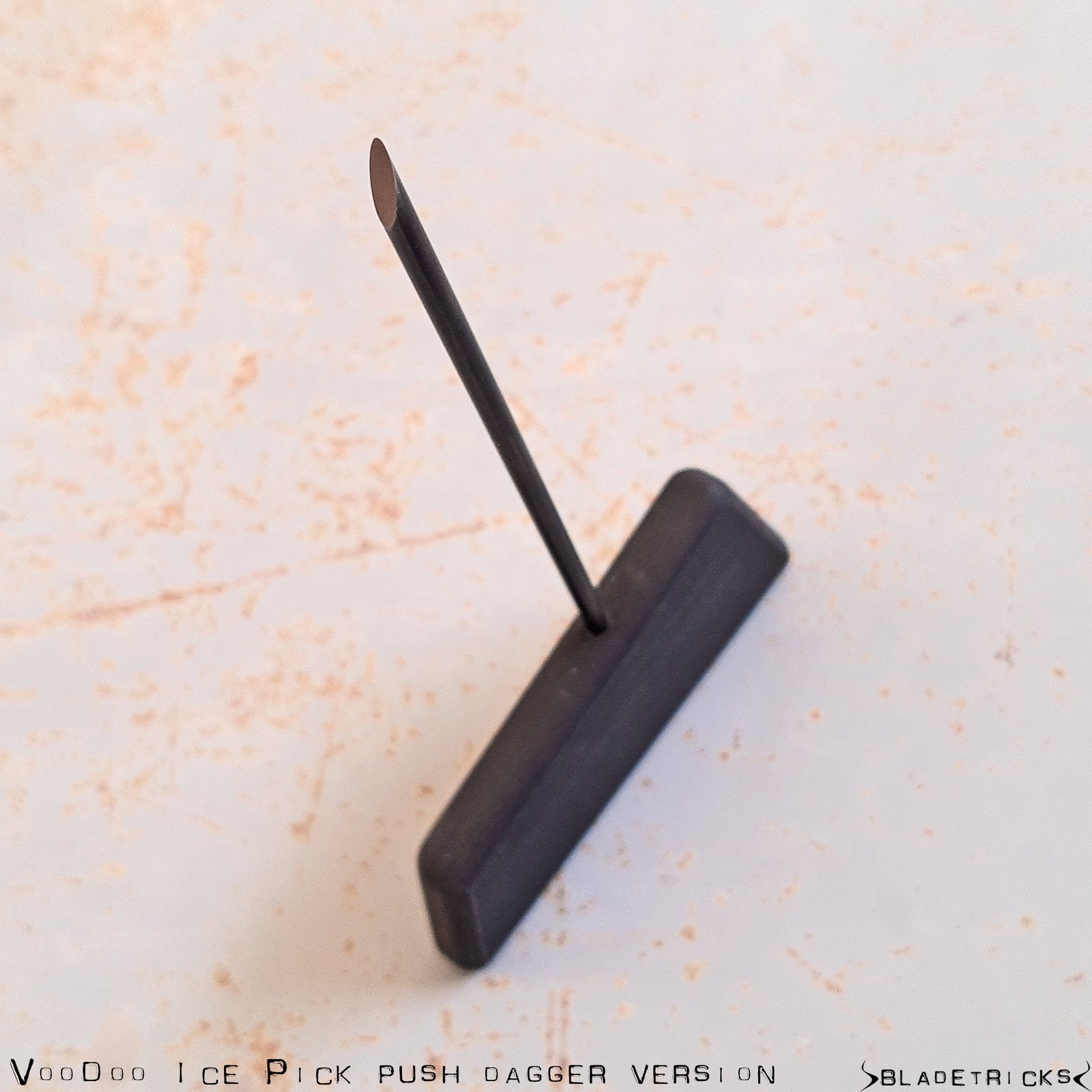
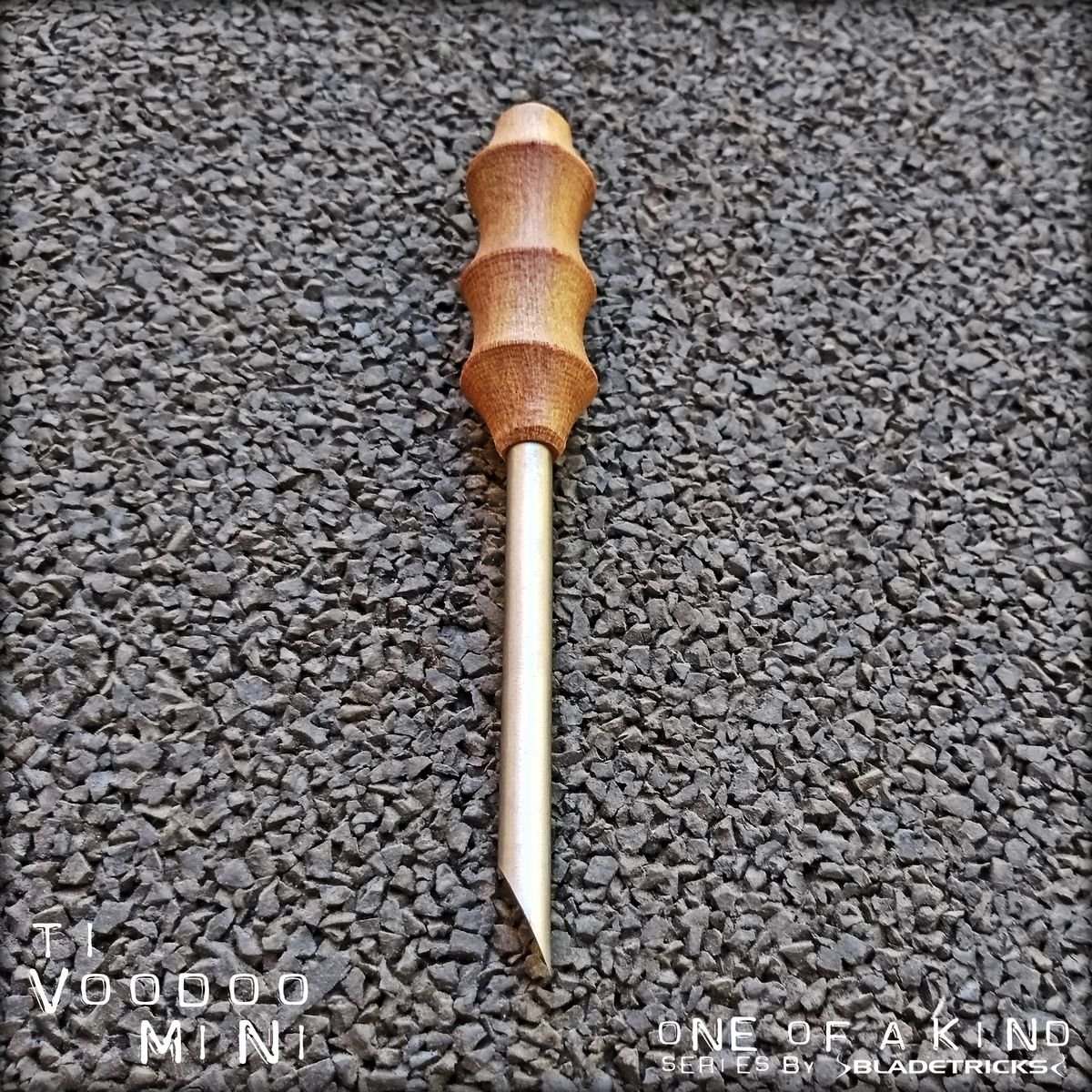
While most icepick makers pursued the traditional conical tip, the chisel grind tip was a deliberate departure — a geometry I developed early in my work as a maker, one that is now gaining recognition as a performance standard.
Why chisel geometry outperforms the conical tip
The advantages are practical. A chisel tip is significantly easier to maintain and field-sharpen than a conical point. It also produces a mechanically distinct wound opening and subsequent wound channel: rather than displacing and compressing tissue — which can create friction and resistance on extraction — the chisel geometry creates a shearing effect. The result is a cleaner extraction stroke and more consistent stopping performance, findings supported by penetrating wound ballistics research specific to this configuration.
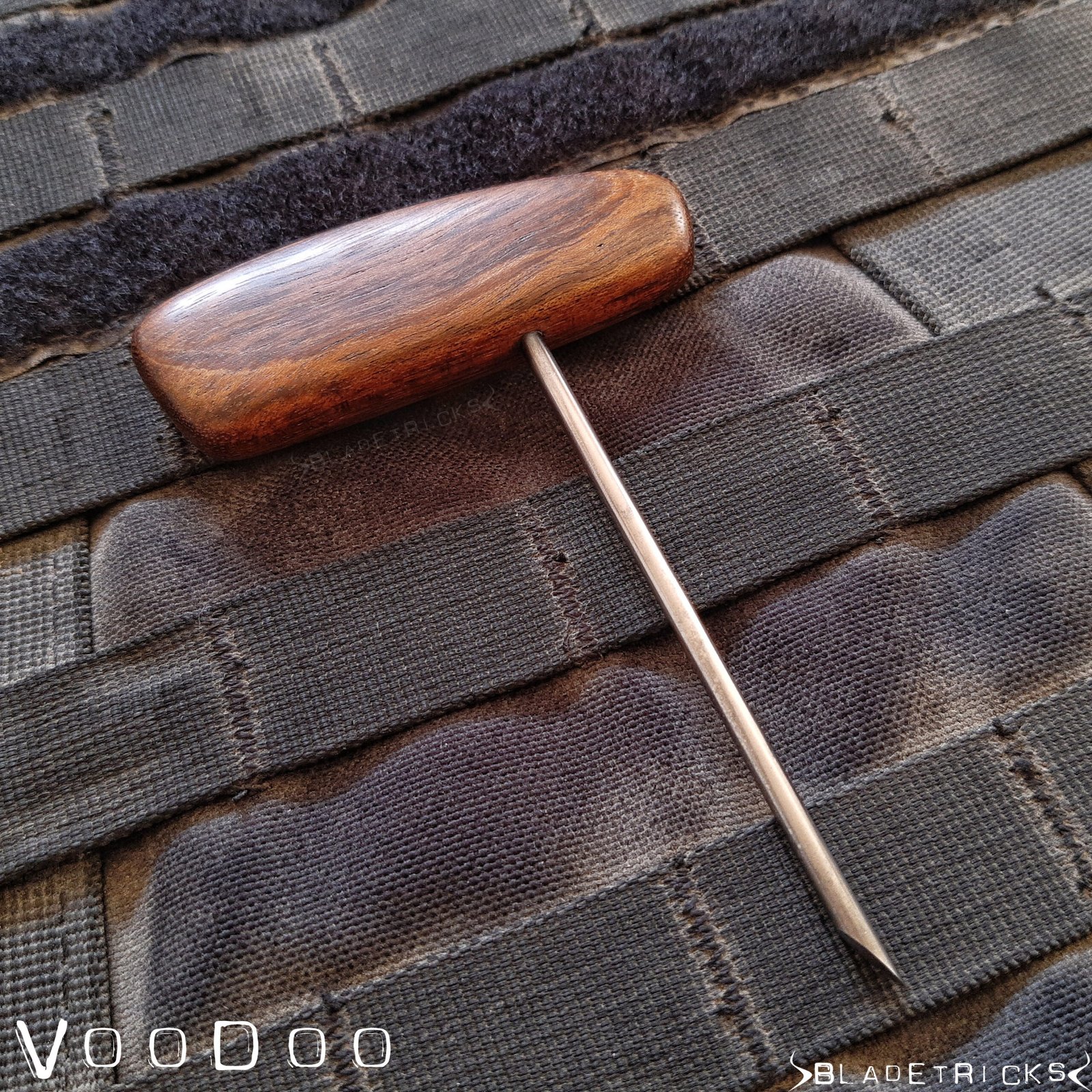
This geometry is now the foundation of an entire Bladetricks product philosophy.
The Ice Pry Family and Trauma Geometry
The Ice Pry tool family — including the Classic, the Mini, and the tactically-oriented Gen 2 — applies chisel tip logic to a dual-purpose platform. The flat tip enables high-leverage prying and delivers significant mechanical effect upon entry. Two functions, one tool.
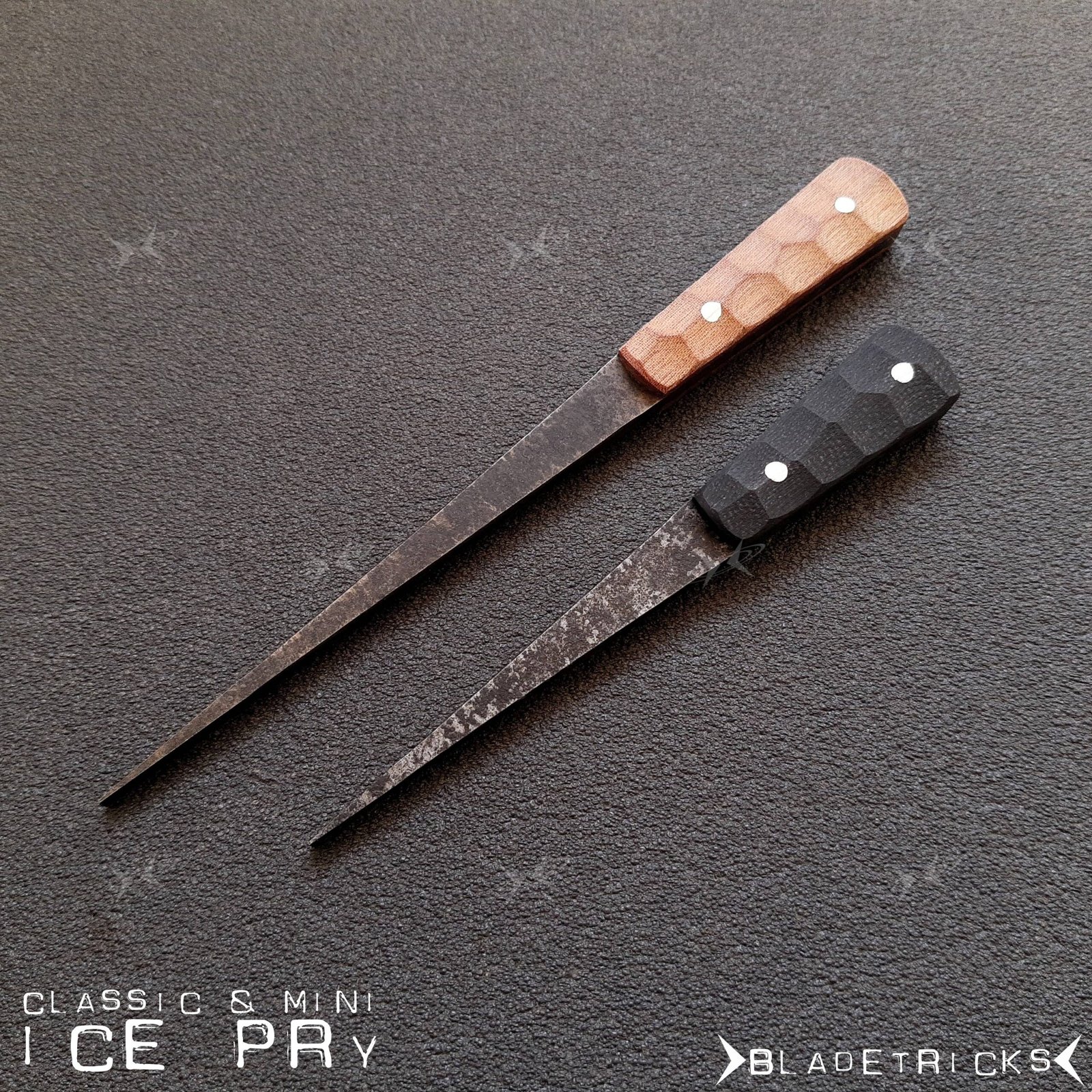
Retention and fast-draw variants
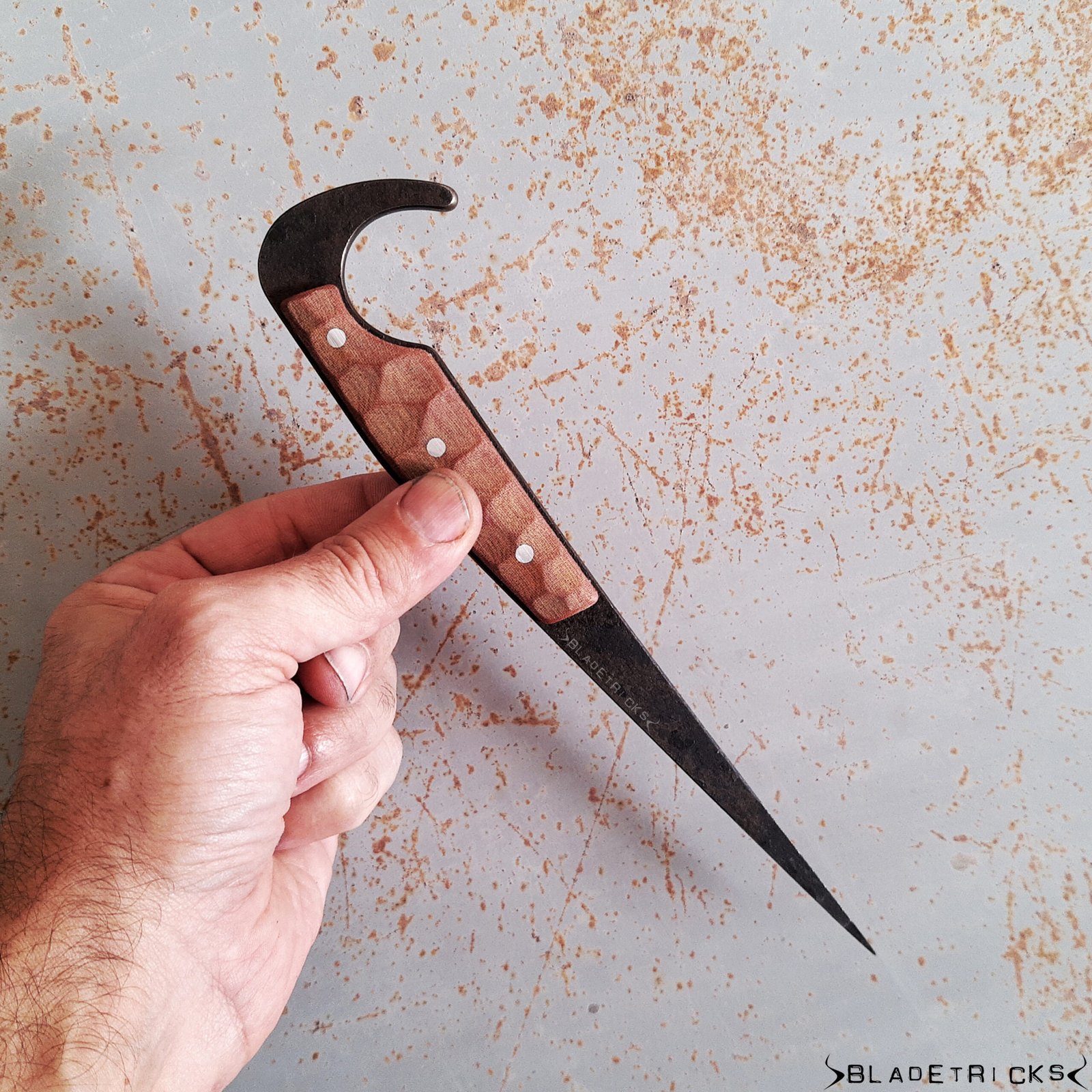
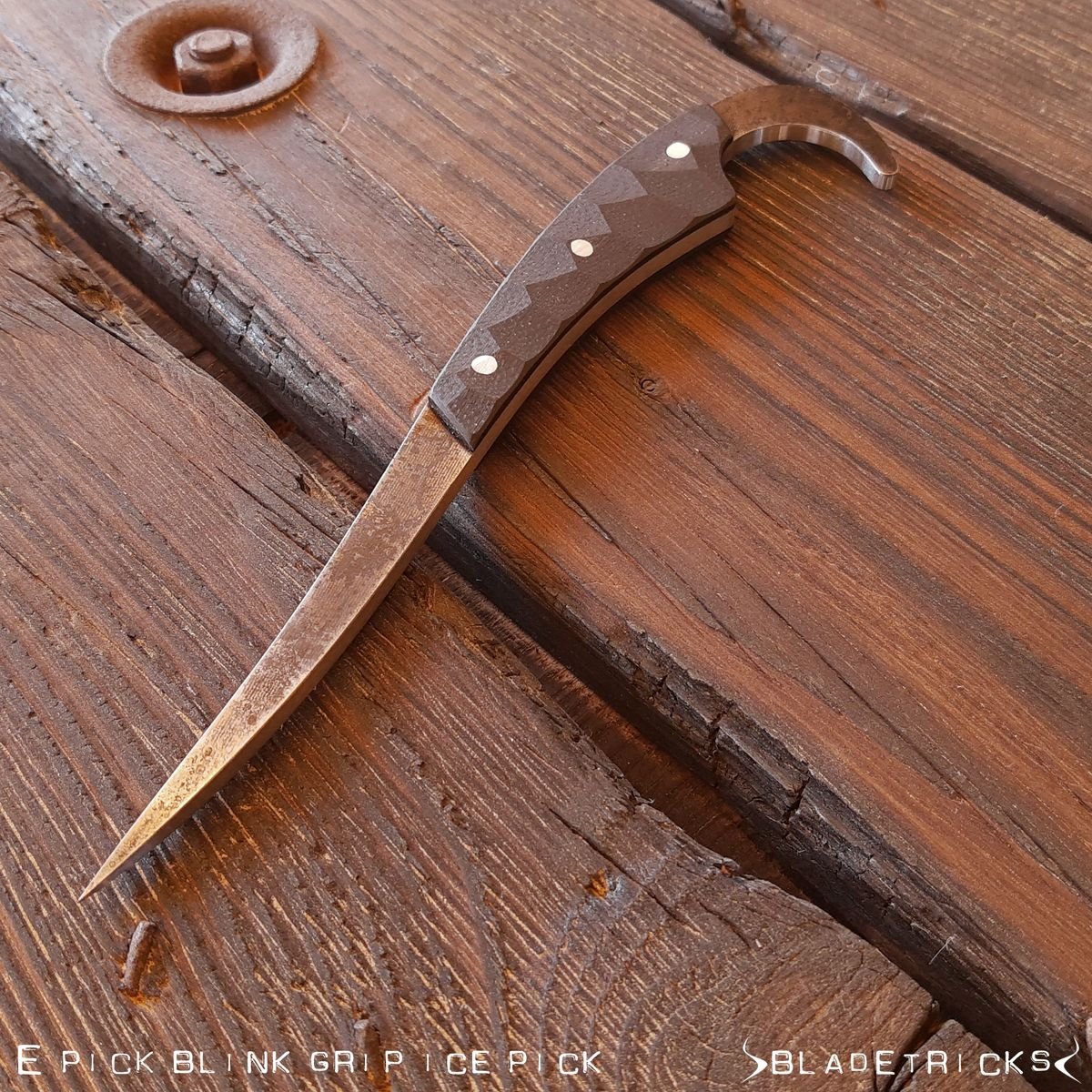
For those who prioritize secure retention and purpose-built combat geometry, the Ice Pry Karambit integrates a safety ring. The Blink Grip Ice Pry uses a proprietary blind-indexing system refined through continuous iteration — designed for extreme fast draw without looking, and now a reference point for the category.
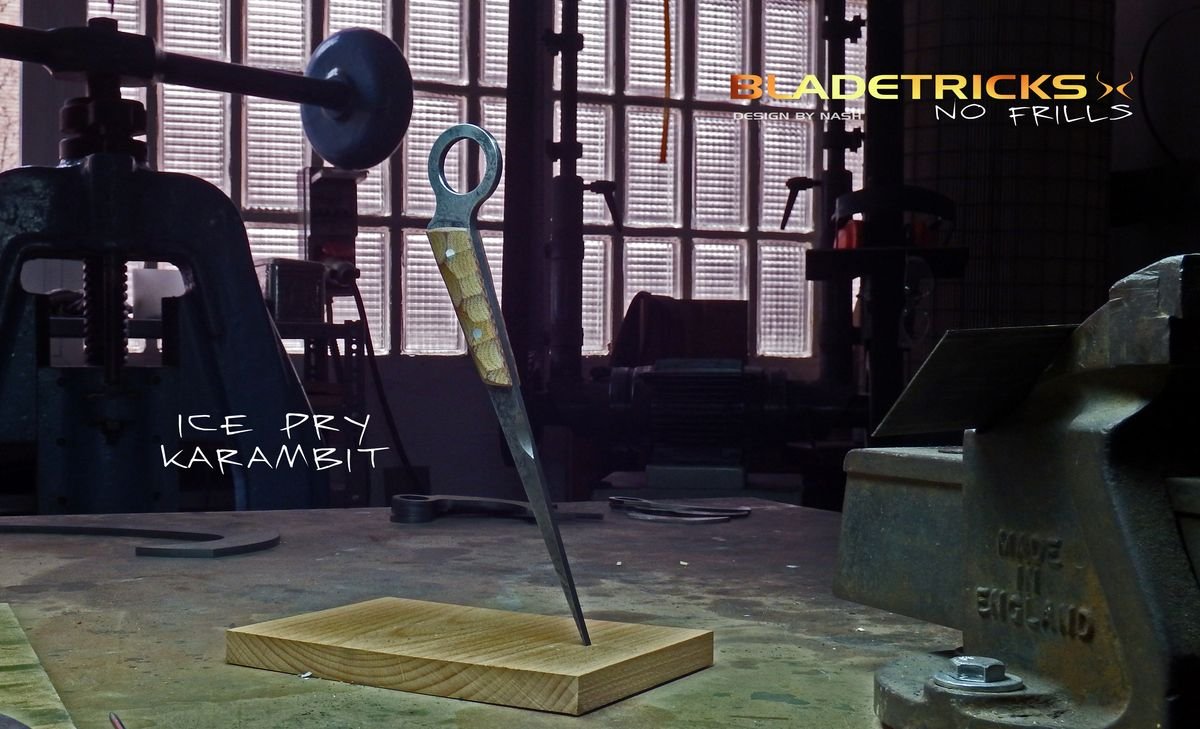
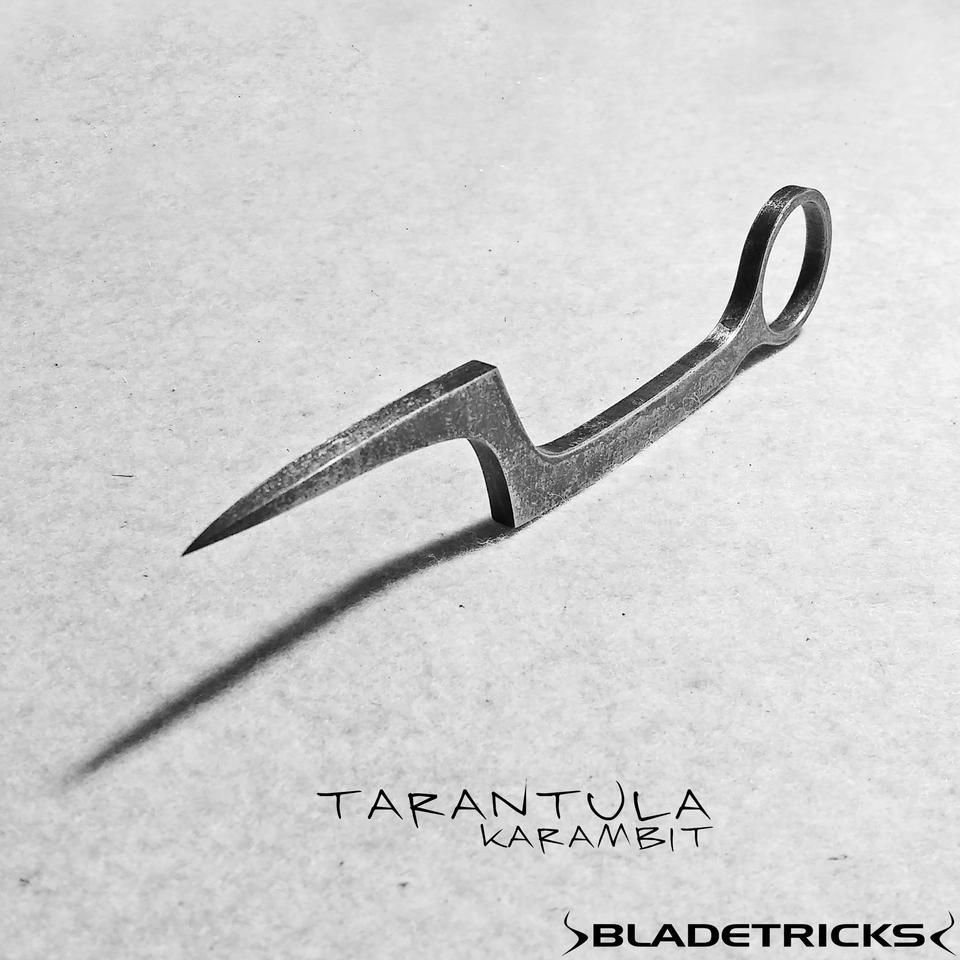
The Micro Bevel series: edgeless, purpose-built
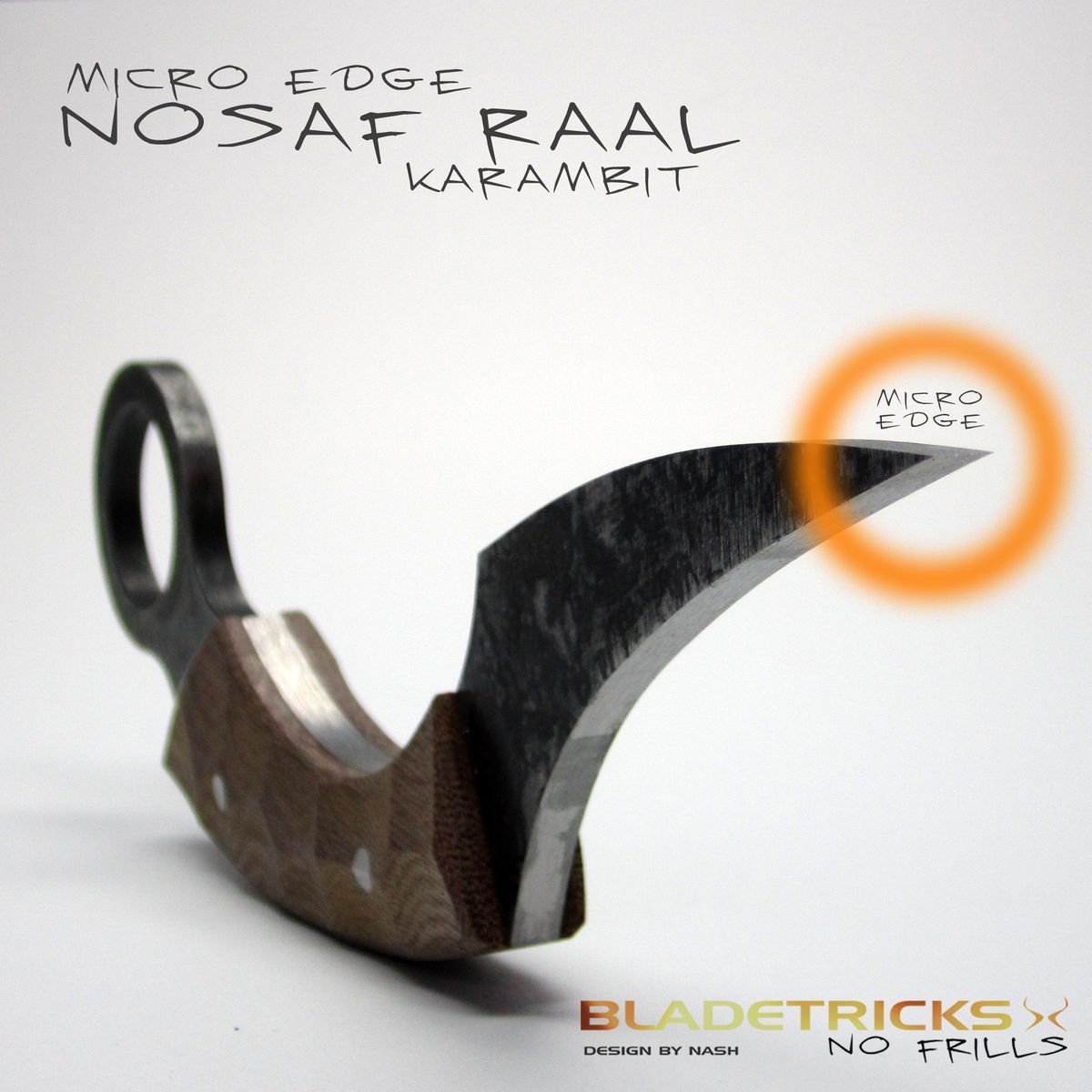
This principle of purposeful tip geometry extends into the Bladetricks Micro Bevel series. Tools like the XL Micro Bevel Karambit are entirely edgeless — eliminating maintenance requirements and legal carry concerns — while still delivering maximum penetrating effect through the multi-purpose tip. It is a refined transition from pure piercing to structural compromise.
Who the Icepick Is For
I recommend icepick designs regularly to those with physical limitations, those still building their training base, or those who need a carry option that is virtually weightless and invisible. It is the equalizer for the less experienced and a reliable secondary for the professional.
In a market crowded with over-engineered solutions, the Bladetricks tactical icepick is a case for doing one thing with complete precision. The 1800s got the concept right. The execution is what continuous refinement is for.
Innovating tactical icepick design since 2010. — A.N. Nash | Bladetricks